MICCAI 2026 is one of the leading AI conferences on medical imaging and computer assisted intervention.
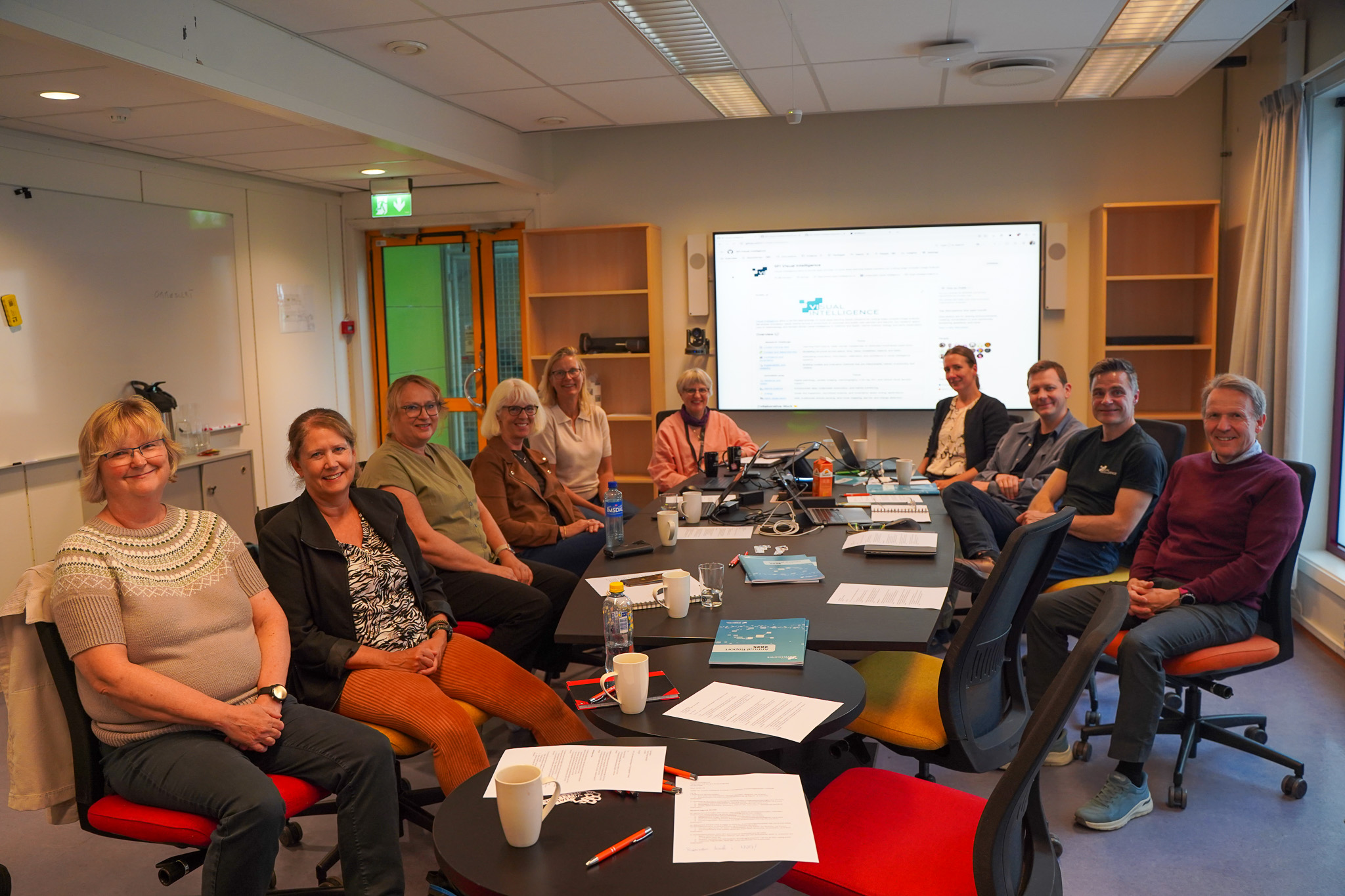
Image:
MICCAI

MICCAI 2026 is one of the leading AI conferences on medical imaging and computer assisted intervention.

Two Visual Intelligence-authored papers accepted for MICCAI 2026

Visual Intelligence will be well represented at MICCAI 2026, one of the leading AI conferences on medical imaging and computer assisted intervention, with two accepted research papers.

Two Visual Intelligence-authored papers accepted for MICCAI 2026

Visual Intelligence will be well represented at MICCAI 2026, one of the leading AI conferences on medical imaging and computer assisted intervention, with two accepted research papers.

By Petter Bjørklund, Communications Officer at SFI Visual Intelligence

The annual International Conference on Medical Image Computing and Computer Assisted Intervention (MICCAI) attracts the world's leading biomedical scientists, engineers, and clinicians from a wide range of disciplines associated with medical imaging and computer assisted intervention. MICCAI has an historical acceptance rate of 30 per cent.

Longitudinal breast cancer risk prediction model

The first paper, titled "Longitudinal Multi-View Modeling for Breast Cancer Risk Prediction", proposes a longitudinal multi-view breast cancer risk prediction model, termed the LMV-Net. The model jointly analyzes anatomically complementary views across multiple screening time points to effectively capture spatial–temporal risk cues.

The authors evaluate this approach on the public EMBED and CSAW-CC datasets, comparing it to state-of-the-art breast cancer risk prediction methods. The model consistently outperforms existing approaches in overall risk prediction performance and across different breast density and cancer subgroups.

Importantly, these improvements highlight the potential of longitudinal multi-view modeling to enhance risk stratification, paving the way for future work on personalized screening, earlier identification of high-risk patients, and more efficient allocation of screening resources.

The paper is authored by centre researchers Solveig Thrun, Zijun Sun, Suaiba Salahuddin, Elisabeth Wetzer, Robert Jenssen, and Michael Kampffmeyer. The paper is also co-authored by Stine Hansen,

Controlled evaluation framework for medical vision-language models

The second paper, titled "Beyond Clean Test Sets: Spurious Correlations in Medical Vision-language Models and the Role of Concept Supervision", proposes a controlled evaluation framework that uses synthetic artifacts modelled after common acquisition confounders to parametrically vary correlation strength. It also pairs two complementary test protocols — artifact removal and artifact inversion — to isolate whether models rely on clinical features or visual shortcuts.

The framework was applied to diabetic retinopathy grading in fundus photography and BI-RADS-based assessment in mammography. Through this, they evaluate five architectures spanning a spectrum from no-concept supervision to full multi-level image–concept alignment.

The findings show that VLM backbones retain clinical signal when shortcuts are absent, yet actively follow spurious associations when they conflict with pathology, degrading faster than standard visual backbones — a dual encoding that is only exposed when evaluation goes beyond clean test sets.

Among concept-based strategies, only architectures that both reshape the feature space toward clinical concepts and shield the classifier from non-clinical signal provide meaningful resilience. The framework is architecture-agnostic and applicable to any vision or multimodal model.

The paper is authored by Valentina Corbetta, PhD Candidate at Maastricht University and a former Guest Researcher at Visual Intelligence, as well as centre researchers Kristoffer Wickstrøm, Elisabeth Wetzer, Veronica Lachi and Robert Jenssen. The paper is also co-authored by Antonio Portaluri (Radboudmc), Michiel Van der Heijden (Netherlands Cancer Institute (NKI)), D. Boeke (NKI), Regina Beets-Tan (NKI), and Wilson Silva (Utrecht University).

Latest news

Visual Intelligence represented at the Datacloud Global Congress' Talent in Tech programme

June 8, 2026

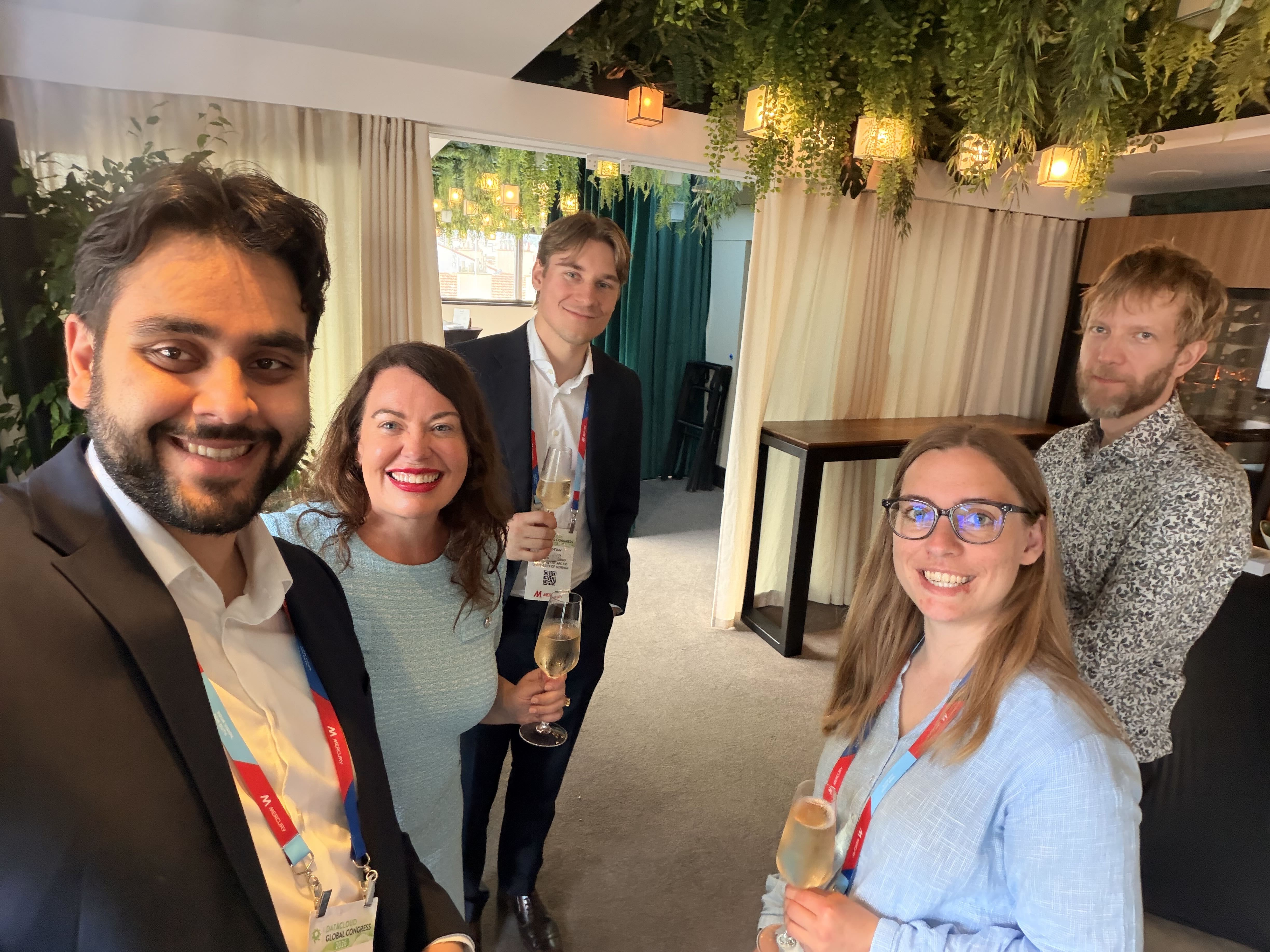
PhD Candidates Solveig Thrun and Christian Salomonsen attended the Datacloud Global Congress' Talent in Tech programme, which invited emerging talent to a unique programme designed to inspire, educate, and connect young professionals with senior leaders from global tech giants.

Kyst og Fjord: Råfisklaget tester AI-teknologi for å knipe syndere

June 2, 2026

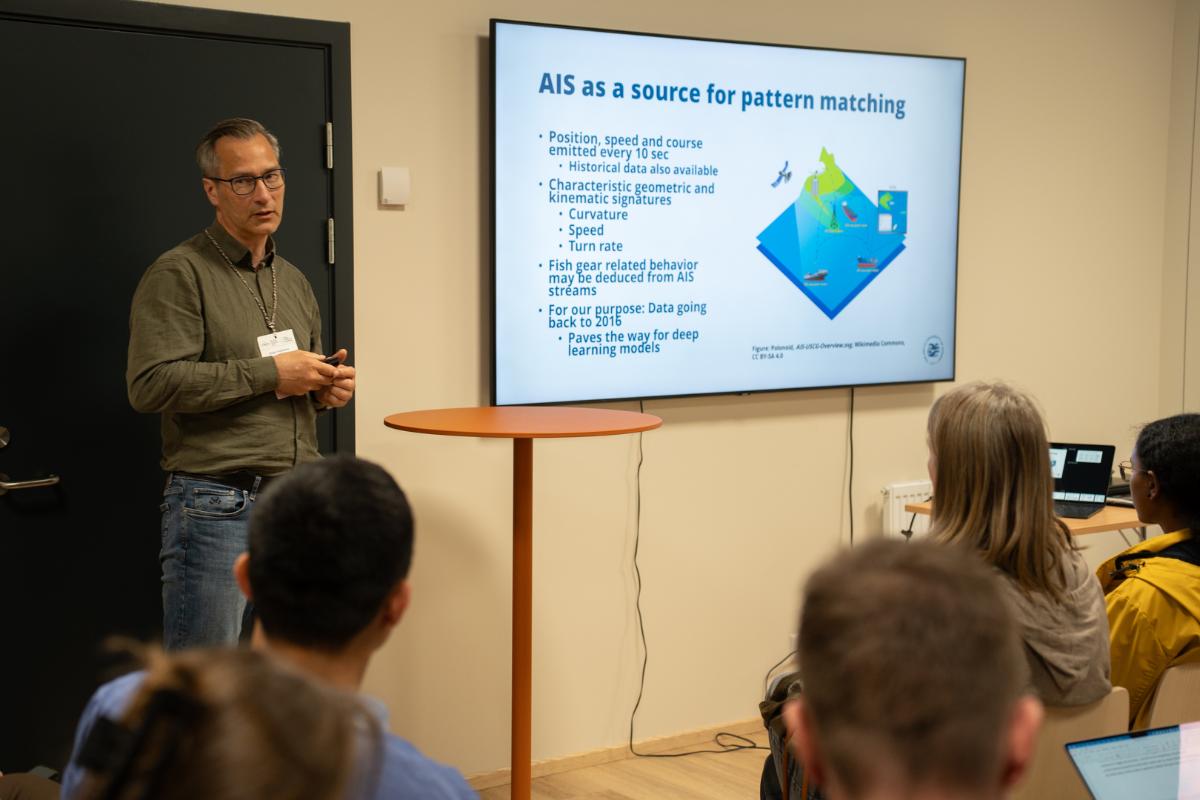
En ny AI-løsning utviklet ved UiT kan gjøre det enklere å avdekke feilrapportering og ulovlig fiske. Nå skal Norges Råfisklag teste teknologien i praktisk bruk (News article on kystogfjord.no)
Geo365.no: Norges nye seismikkekspert

May 28, 2026

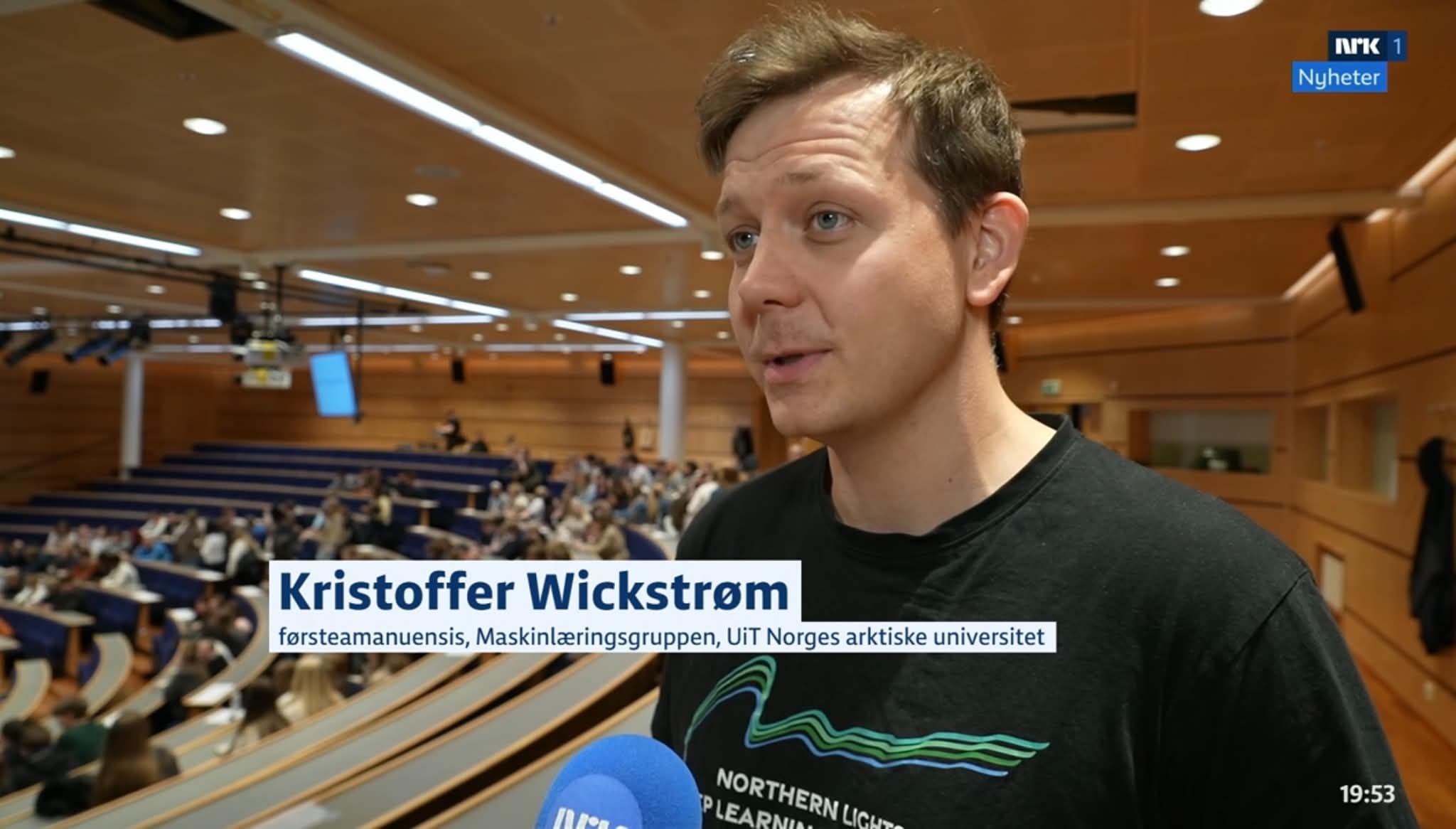
En ny, åpent tilgjengelig KI-modell kan endre hvordan geologer tolker seismikk. Den norske grunnmodellen lover raskere analyser, lavere terskel for innovasjon og nye måter å forstå undergrunnen på.

NRK Radio interview on AI for sustainable fisheries

May 27, 2026

Centre Director Robert Jenssen was interviewed by Norsk rikskringkasting (NRK) about AI in fisheries and this year's UArctic (University of the Arctic) Congress on the Faroe Islands.

Centre Director Robert Jenssen in Japan to discuss Norwegian-Japanese AI collaborations‍

May 26, 2026

Professor and AI expert Robert Jenssen is attending the Japan-Norway AI Innovation Forum and Japan-Norway Research Symposium, two high-level meetings with Norwegian and Japanese government leaders, business actors and researchers.
Call for Papers and Abstracts: NLDL 2027

April 22, 2026

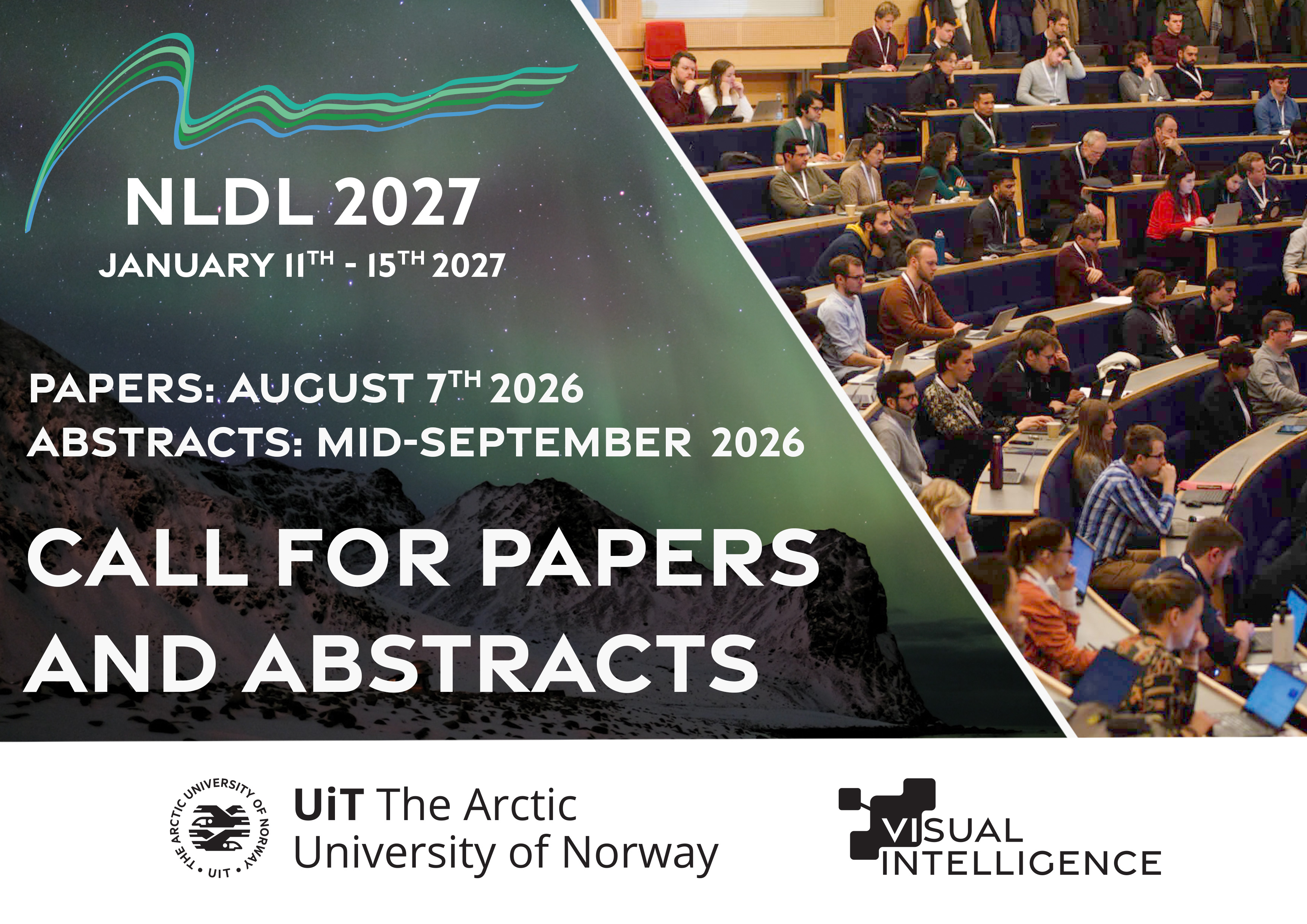
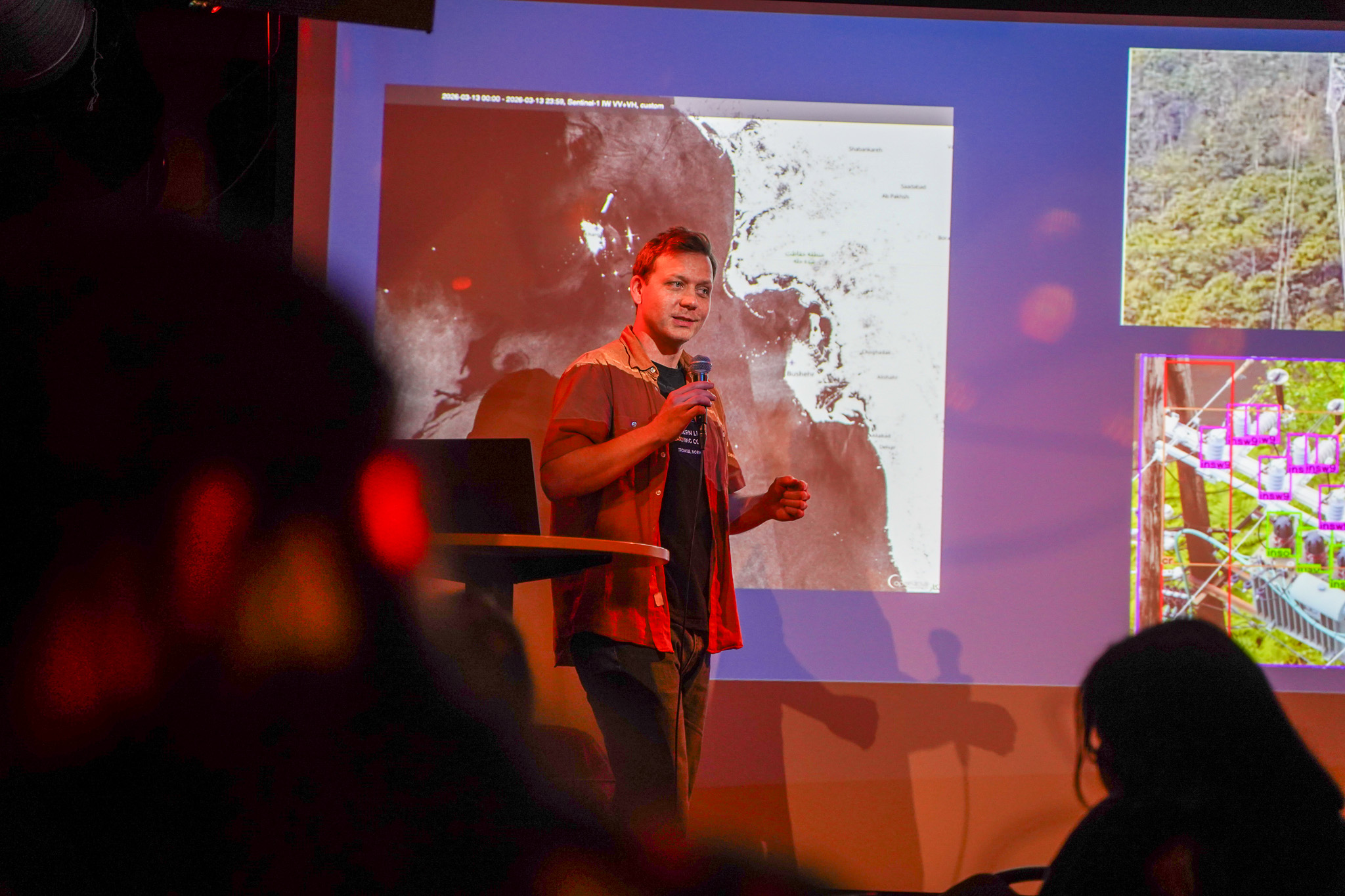
The Call for Papers and Abstracts for the Northern Lights Deep Learning (NLDL) Conference 2027 is officially announced – with submission deadlines on August 7th and Mid-September 2026 respectively.

Trends in Visual Intelligence 2026

April 17, 2026

The field of Visual Intelligence is continuously transforming. Chief Research Scientist Arnt-Børre Salberg dives deeper into the current trends in the field of visual intelligence as of early 2026.

Centre-developed seismic foundation model is now open source!

April 6, 2026

The NCS model, a seismic foundation model trained on data from the Norwegian data repository for subsurface data, is now available as an open-source model, allowing anyone to download, utilize, and further develop the model.

Visual Intelligence Annual Report 2025

March 31, 2026

The Visual Intelligence Annual Report 2025, highlighting the centre's progress, activities, achieved innovations, staff, funding, and publications for 2025, is now available to read on our websites.

Visual Intelligence strengthens ties with Pioneer Centre for AI in EHR-related research

March 26, 2026

Visual Intelligence researchers contributed to the Pioneer Centre for AI workshop on Electronic Health Records research. The aim was to strengthen ties between the two centres on EHR-related research.

Nordlys: Her blir KI-studentene grillet av sin «egen» teknologi

March 24, 2026

Tre av studentene i sivilingeniør i Kunstig Intelligens ved UiT skal delta i NM i KI. Slik gikk det da de ble intervjuet ved hjelp av kunstig intelligens (News article in nordlys.no).