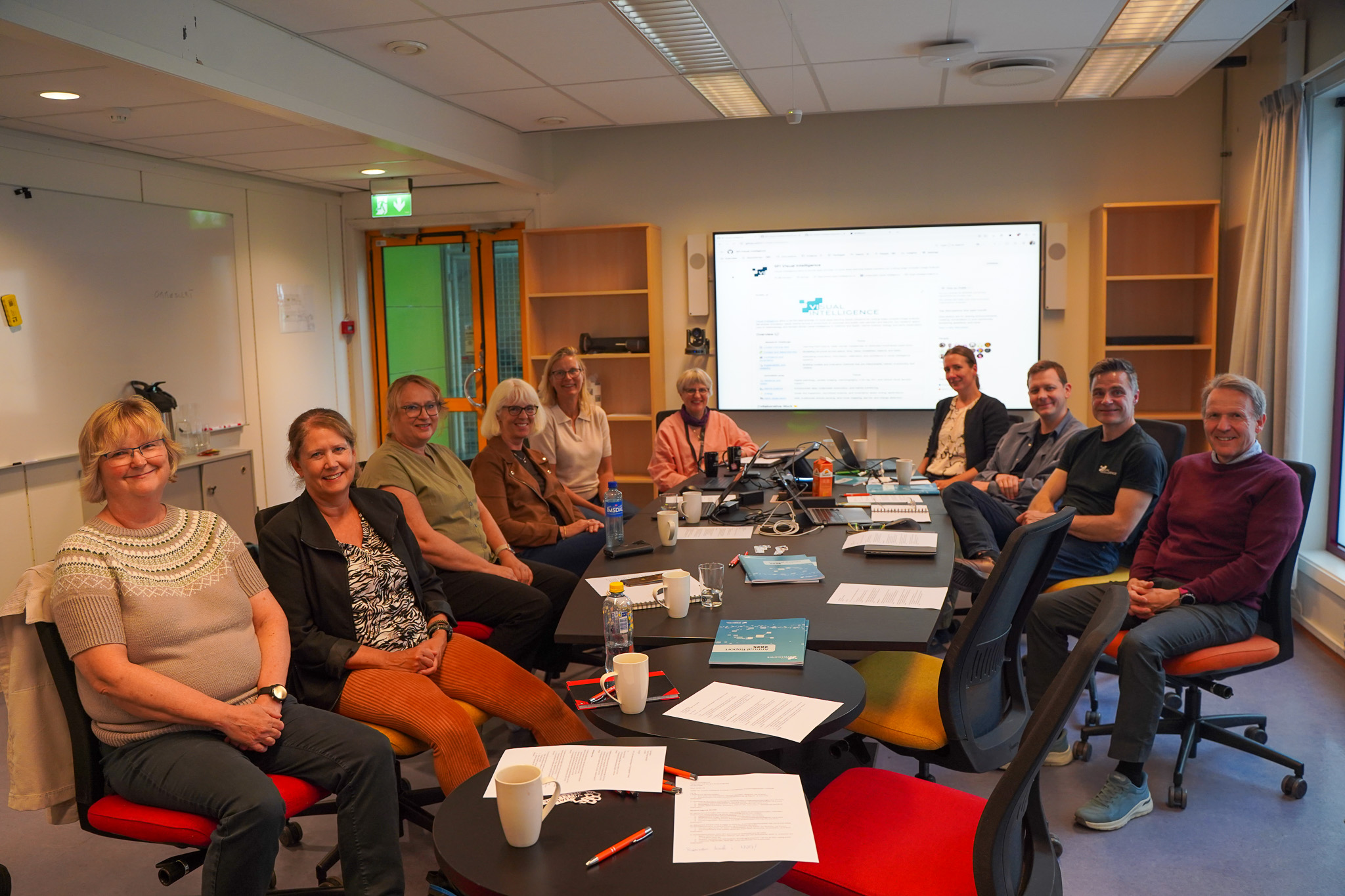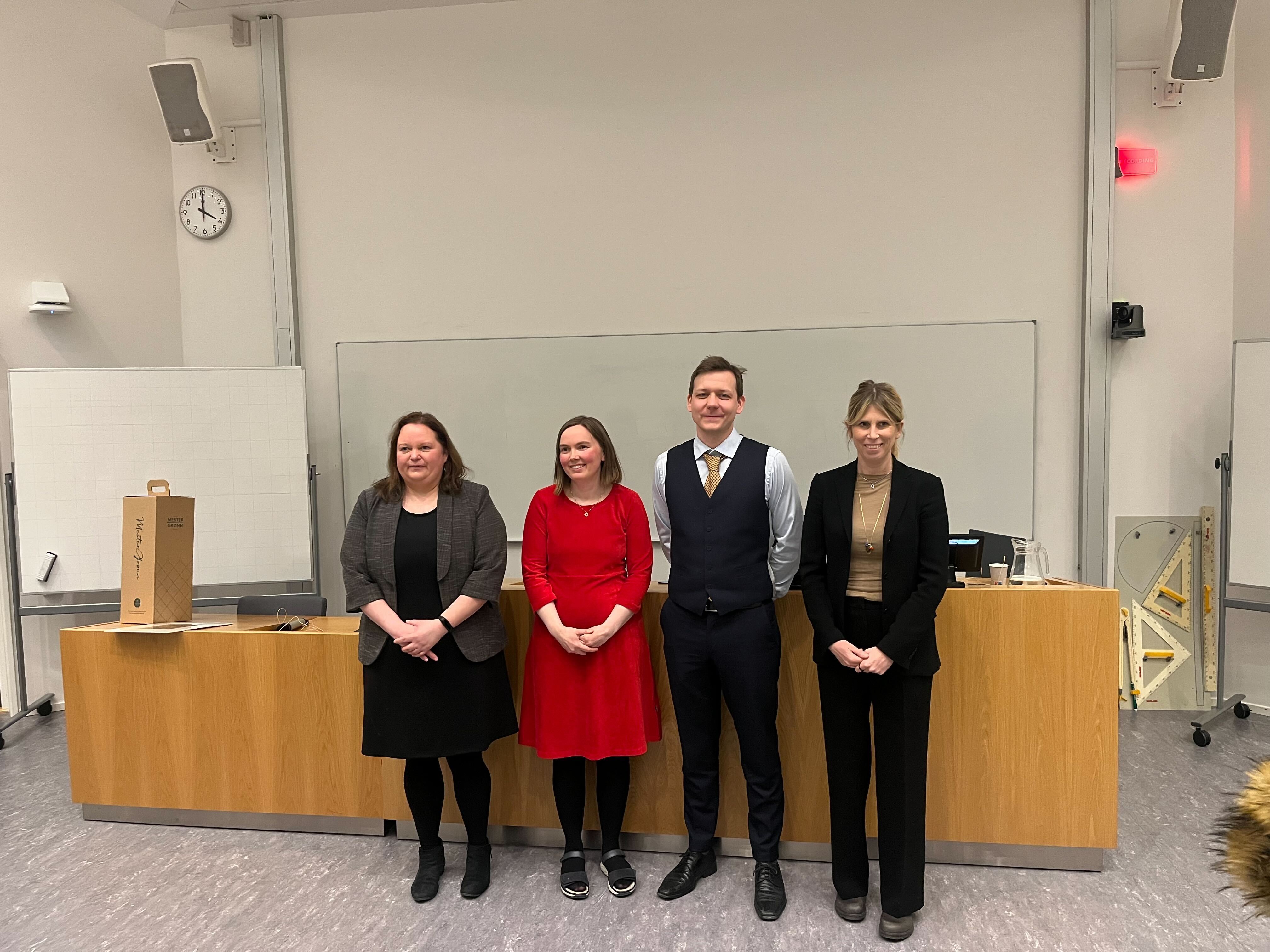
Marit Dagny Kristine Jenssen with the evaluation committee.
Image:
Private

Marit Dagny Kristine Jenssen with the evaluation committee.
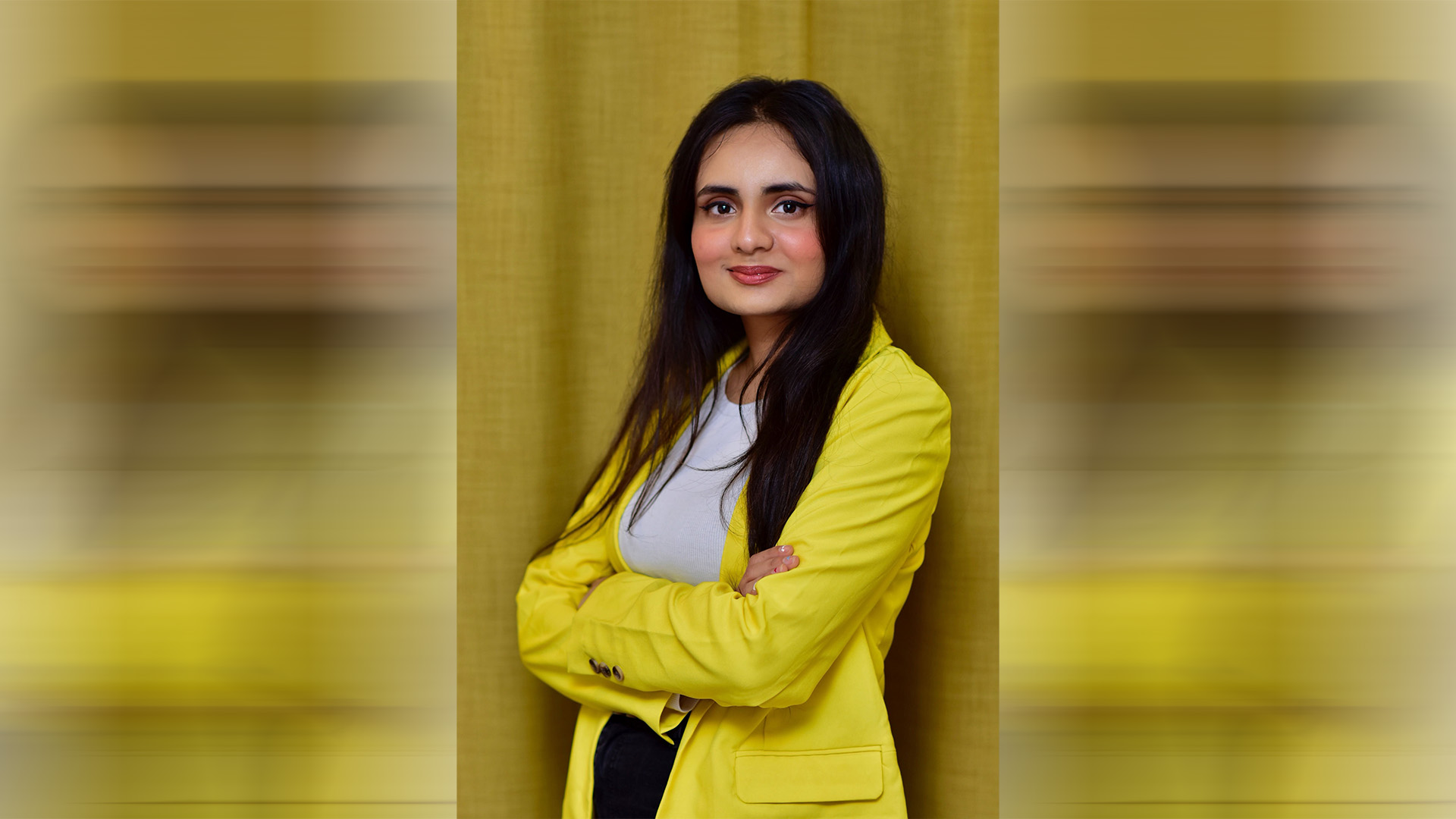
Successful PhD defense by Marit Dagny Kristine Jenssen

Congratulations to Marit Dagny Kristine Jenssen, who successfully defended her PhD thesis at UiT The Arctic University of Norway on April 10th

Successful PhD defense by Marit Dagny Kristine Jenssen

Congratulations to Marit Dagny Kristine Jenssen, who successfully defended her PhD thesis at UiT The Arctic University of Norway on April 10th

By Petter Bjørklund, Communications Officer at SFI Visual Intelligence

Jenssen is a PhD Research Fellow at Visual Intelligence and the UiT Machine Learning Group.

Her thesis, titled "Exploring patient generated health data in fibromyalgia: Statistical and machine learning approaches to chronic pain and physical activity",  combines machine learning, time series analysis, and clinical trial methodology to advance the understanding and treatment of fibromyalgia.

Jenssen's trial lecture was titled "Foundation Models for Time Series: Concepts, Methods, and Applications".

Summary of the thesis

In Norway, chronic musculoskeletal pain is a leading cause of disability benefits and sick leave. Fibromyalgia is a common chronic pain condition characterized by widespread pain, chronic fatigue, poor sleep, and depression. Despite extensive research, no efficient treatment has been developed. Several studies suggest that physical activity can help manage chronic pain, but interventions should be tailored to the individual.

This dissertation combines machine learning, time series analysis, and clinical trial methodology to advance the understanding and treatment of fibromyalgia. The work is organized around four research questions addressing the use of machine learning in chronic pain research, the predictability of pain from wearable data, the replicability of activity-based pain reduction, and the design of a factorial clinical trial.

The scoping review (Paper I) identifies opportunities for using machine learning to improve chronic pain management, finding that while diagnostic classification is well-studied, treatment and self-management applications remain underexplored. The case study (Paper II) applies SiZer, a statistical method for detecting significant changes, to analyze pain and activity patterns in seven fibromyalgia patients using Fitbit data. Results showed that three patients achieved pain reduction following physiotherapist-guided activity modifications.

Building on this foundation, a time series analysis investigates whether daily pain can be predicted from wearable-derived activity and sleep data. Both classical methods (ARIMA) and modern machine learning approaches (XGBoost, foundation models) were evaluated. The analysis reveals that pain exhibits strong temporal autocorrelation, and activity and sleep features provide only modest improvements for some patients. Predicting pain change direction showed more consistent gains over baseline than regression on exact levels, though overall prediction performance was modest.

Finally, the insights from Papers I and II informed the design of a randomized controlled trial (Paper III). The protocol applies a 2 × 2 factorial design to evaluate the effects of group exercise and somatic tracking—a psychological i ii intervention—on fibromyalgia outcomes.

Together, these contributions demonstrate the potential of combining wearable technology, advanced analytics, and clinical expertise to develop more personalized approaches to chronic pain management.

Supervisory Committee

  • Professor Fred Godtliebsen, Institute for Mathematics and Statistics, UiT (main supervisor)
  • Professor Johan Gustav Bellika, National Centre for E-Health Research
  • Dr. Andrius Budrionis, National Centre for E-Health Research
  • Senior researcher Phuong Ngo, National Centre for E-Health Research
  • Researcher Miguel Tejedor, National Centre for E-Health Research

Evaluation Committee

  • 1st Opponent: Associate Professor Lucia Sacchi, Universitetet i Pavia, Italia
  • 2nd Opponent: Professor Kerstin Bach, NTNU
  • Internal member and leader of the committee: Associate professor Kristoffer Wickstrøm, IFT, UiT

Latest news

Centre-developed seismic foundation model is now open source!

April 6, 2026

The NCS model, a seismic foundation model trained on data from the Norwegian data repository for subsurface data, is now available as an open-source model, allowing anyone to download, utilize, and further develop the model.

Visual Intelligence Annual Report 2025

March 31, 2026

The Visual Intelligence Annual Report 2025, highlighting the centre's progress, activities, achieved innovations, staff, funding, and publications for 2025, is now available to read on our websites.

Visual Intelligence strengthens ties with Pioneer Centre for AI in EHR-related research

March 26, 2026

Visual Intelligence researchers contributed to the Pioneer Centre for AI workshop on Electronic Health Records research. The aim was to strengthen ties between the two centres on EHR-related research.

Nordlys: Her blir KI-studentene grillet av sin «egen» teknologi

March 24, 2026

Tre av studentene i sivilingeniør i Kunstig Intelligens ved UiT skal delta i NM i KI. Slik gikk det da de ble intervjuet ved hjelp av kunstig intelligens (News article on nordlys.no).

My Research Stay at Visual Intelligence: Rami Al-Belmpeisi

March 15, 2026

Rami Al-Belmpeisi is a PhD Research Fellow in the Visual Computing section at DTU Compute, Technical University of Denmark. He visited Visual Intelligence in Tromsø from November 2025 to February 2026.

Visual Intelligence inspires future students at the UiT Open Day

March 12, 2026

Visual Intelligence researchers came to the UiT Open Day to inform the students about UiT's study programme, and inspire them to pursue AI-related studies and career paths.

Dagsavisen: Hun lærer kunstig intelligens å forstå medisinske bilder

March 4, 2026

Elisabeth Wetzer forsker på hvordan maskiner kan lære å analysere medisinske bilder – og samtidig forstå hva legene faktisk ser etter (Norwegian news article on dagsavisen.no)

My Research Stay at Visual Intelligence: Artur Radzivil

February 12, 2026

Artur Radzivil is a PhD Research Fellow at Vilnius Gediminas Technical University. He visited Visual Intelligence in Oslo from September to November 2025.

Centre Director Robert Jenssen meets Norwegian Minister of Research and Higher Education, Sigrun Aasland

February 6, 2026

Centre Director Robert Jenssen met with Sigrun Aasland, Norwegian Minister of Research and Higher Education, alongside UiT and Aker Nscale representatives to give an update on Aker Nscale's AI Giga Factory in Narvik, Norway.

Visual Intelligence represented at Arctic Frontiers 2026

February 4, 2026

Visual Intelligence was represented by Centre Director Robert Jenssen, Associate Professor Kristoffer Wickstrøm, and VI Alumna Sara Björk at the Arctic Frontiers side session "How can AI and satellite collaboration strengthen Arctic resilience?".