

.jpg)
Ali Ramezani-Kebrya
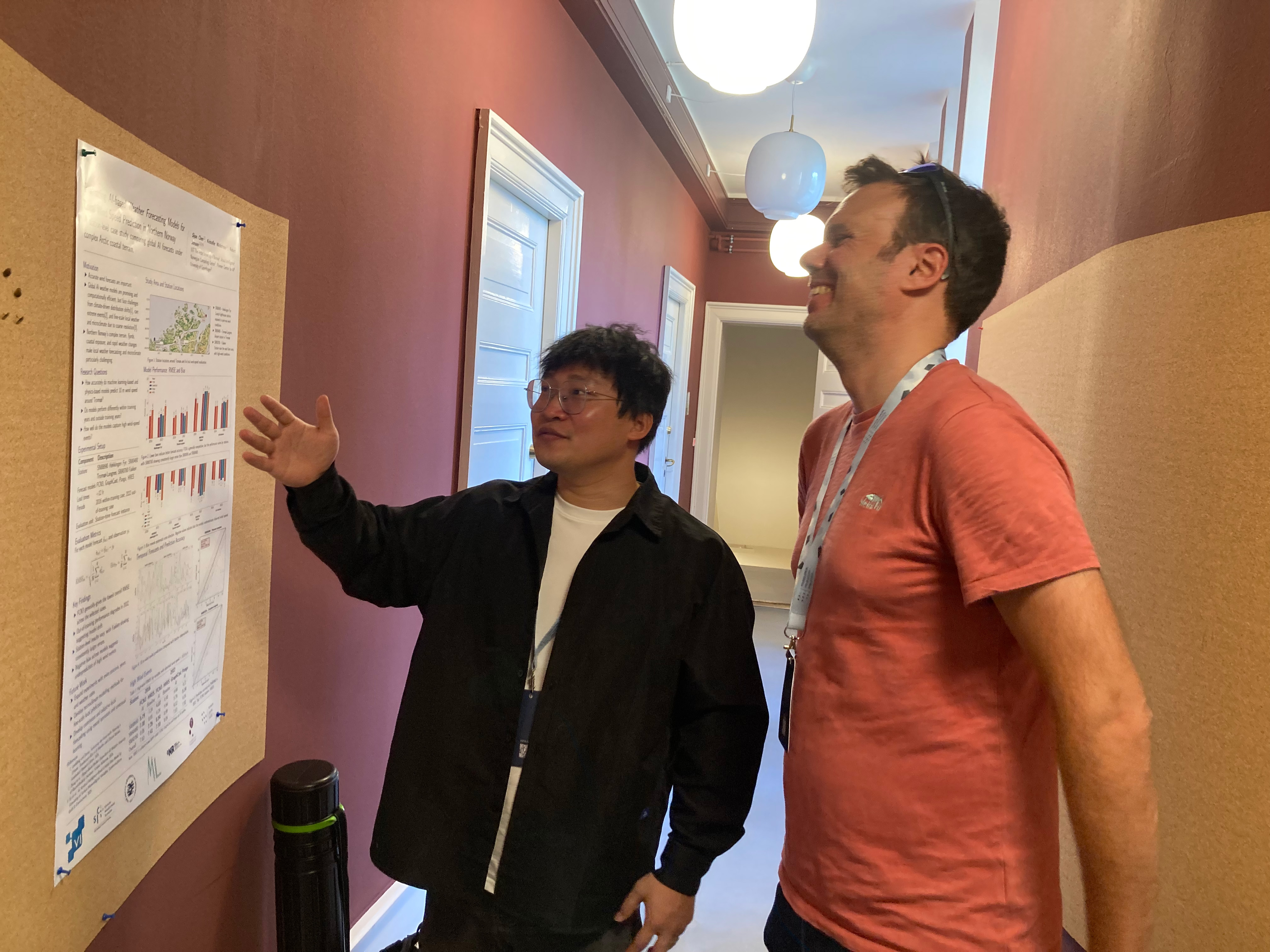
Visual Intelligence co-organized and attended the "Foundations of Arctic AI and Generative Forecasting" workshop:
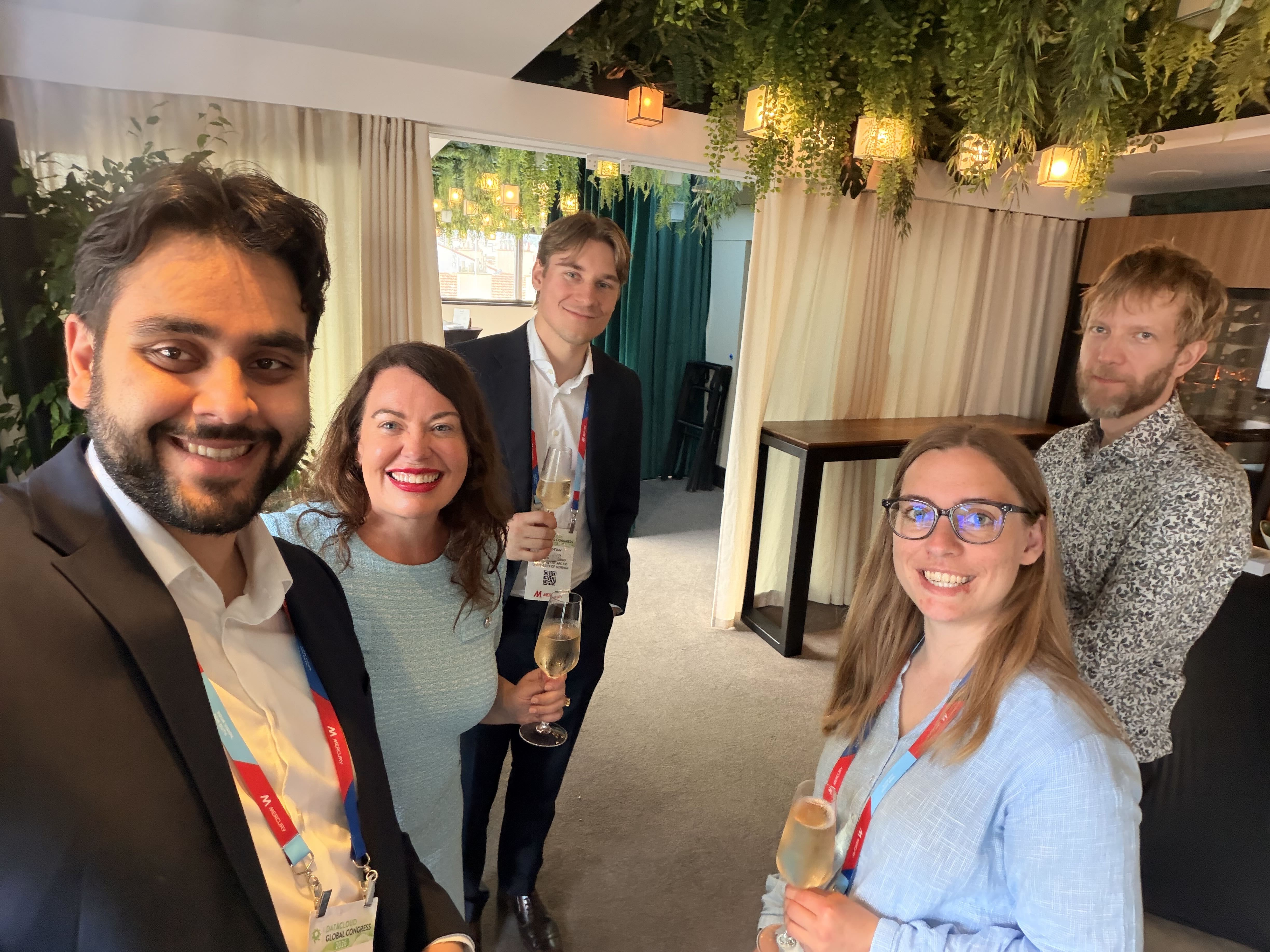
PhD Candidates Solveig Thrun and Christian Salomonsen attended the Datacloud Global Congress' Talent in Tech programme, which invited emerging talent to a unique programme designed to inspire, educate, and connect young professionals with senior leaders from global tech giants.
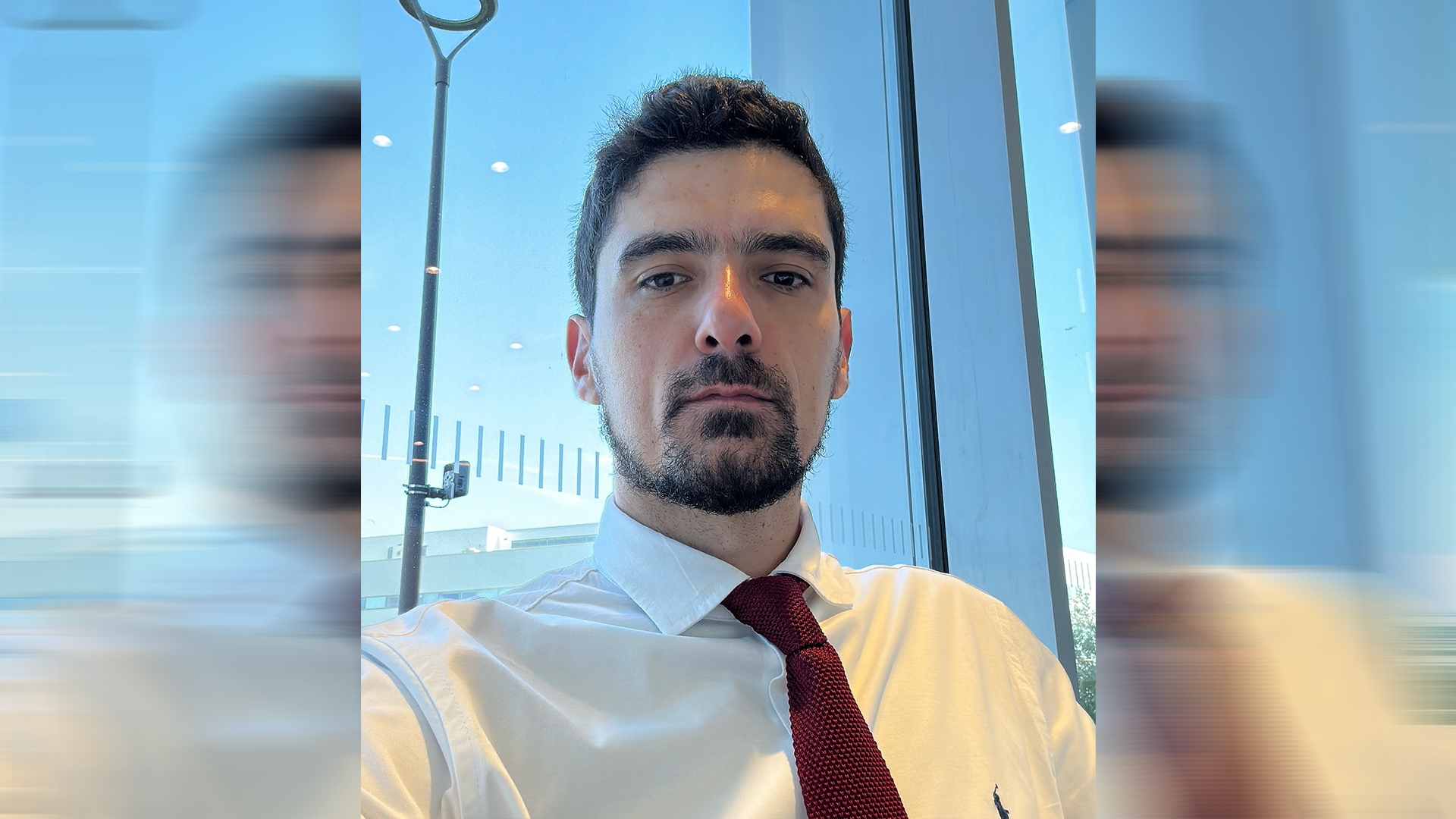
We warmly welcome Georgios Leontidis as a new Professor at SFI Visual Intelligence's hub at UiT The Arctic University of Norway.
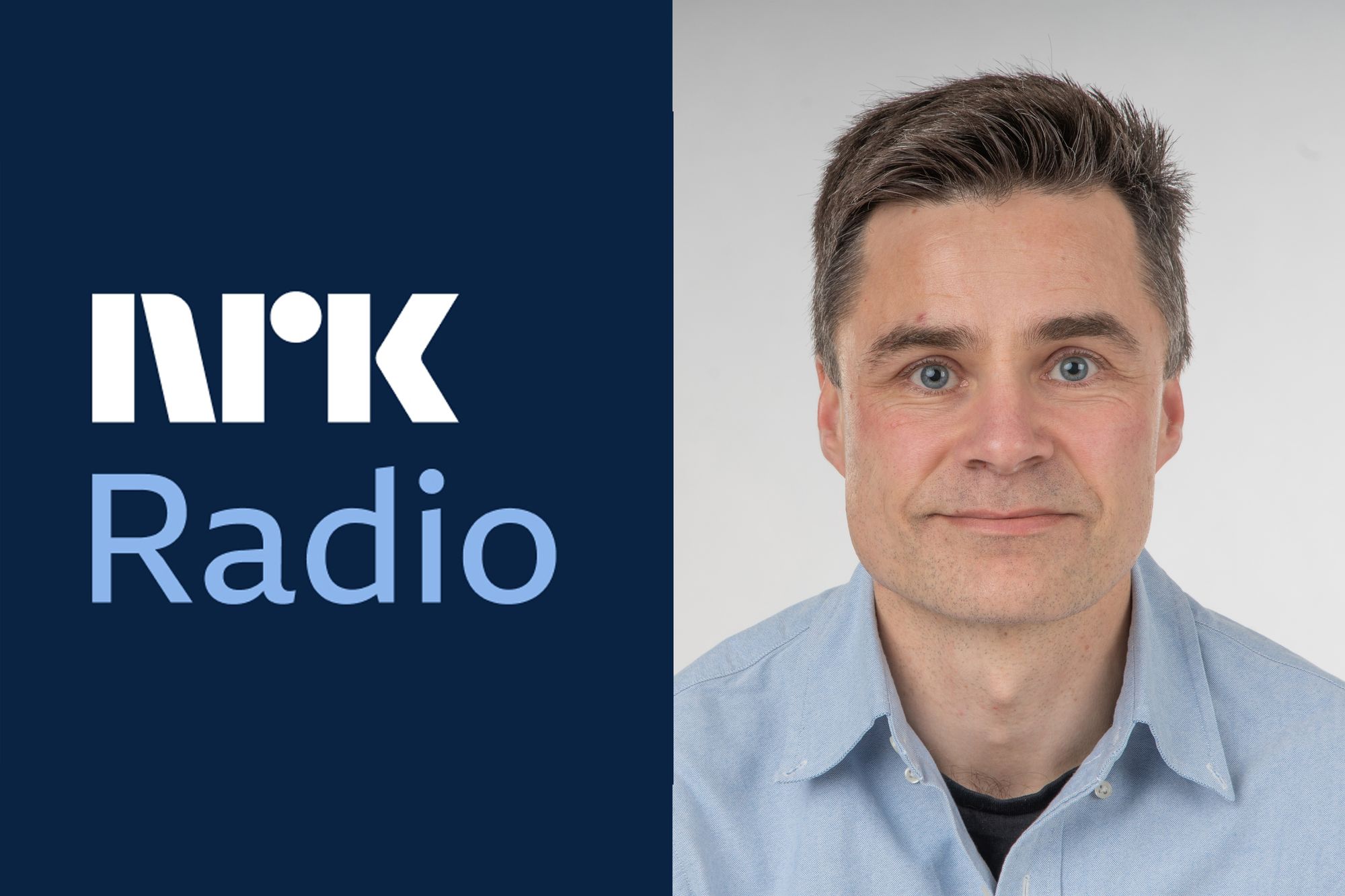
Centre Director Robert Jenssen was interviewed by Norsk rikskringkasting (NRK) about the Japan-Norway AI Innovation Forum in Tokyo, Japan.
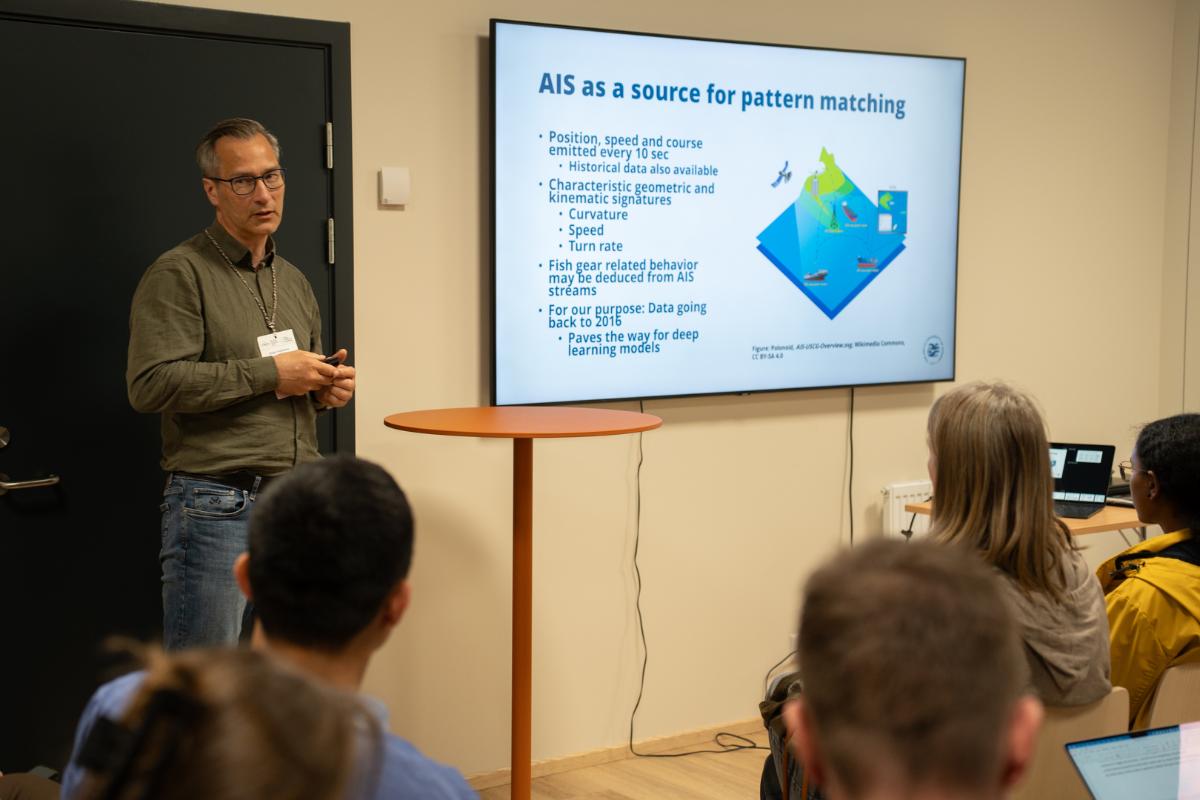
En ny AI-løsning utviklet ved UiT kan gjøre det enklere å avdekke feilrapportering og ulovlig fiske. Nå skal Norges Råfisklag teste teknologien i praktisk bruk (News article on kystogfjord.no)
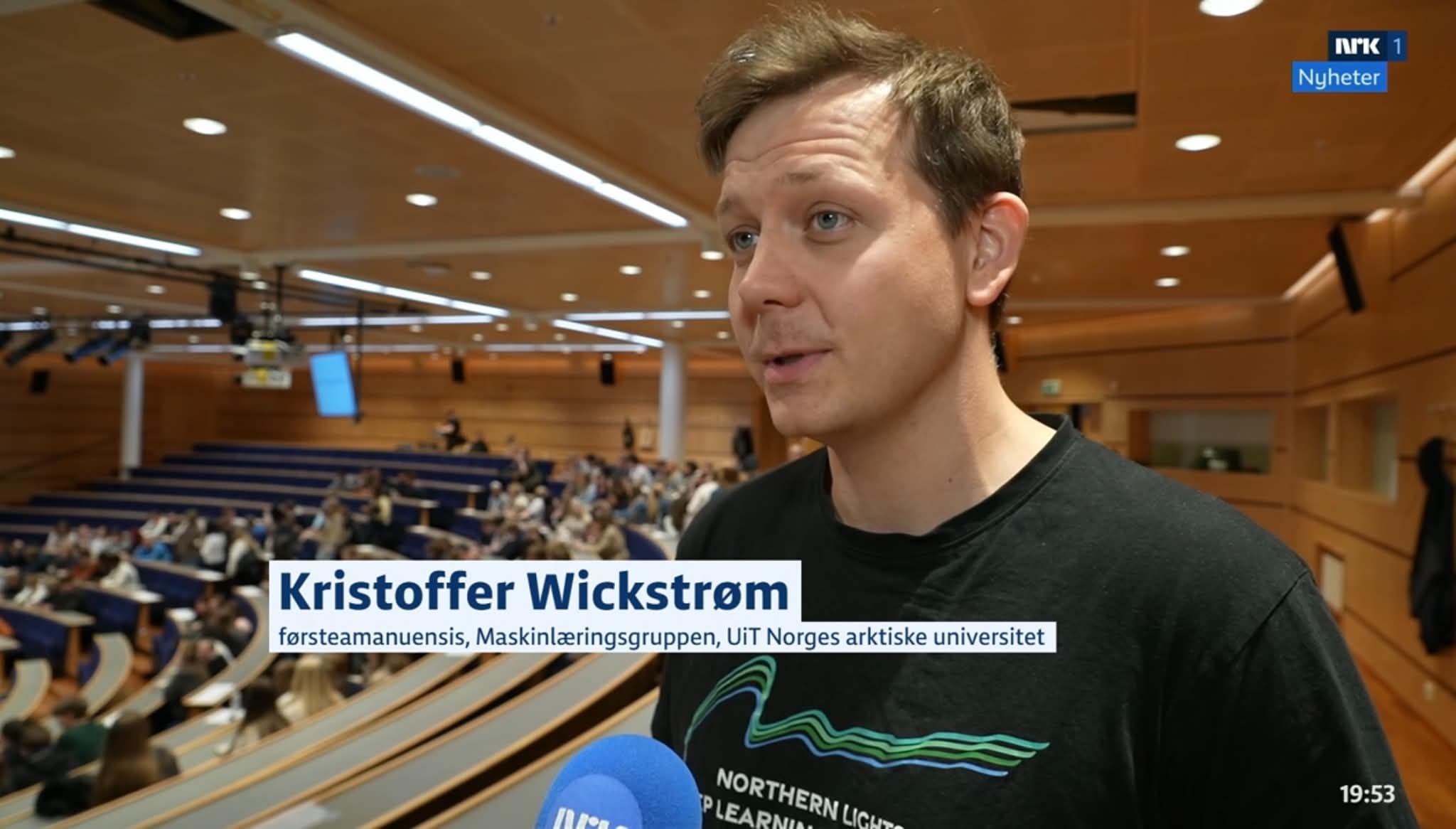
Principal Investigator Kristoffer Wickstrøm was interviewed by Norsk rikskringkasting (NRK) about the Artificial Intelligence Day at UiT- The Arctic University of Norway.
.jpg)
En ny, åpent tilgjengelig KI-modell kan endre hvordan geologer tolker seismikk. Den norske grunnmodellen lover raskere analyser, lavere terskel for innovasjon og nye måter å forstå undergrunnen på.
Centre Director Robert Jenssen was interviewed by Norsk rikskringkasting (NRK) about AI in fisheries and this year's UArctic (University of the Arctic) Congress on the Faroe Islands.
.jpg)
Professor and AI expert Robert Jenssen is attending the Japan-Norway AI Innovation Forum and Japan-Norway Research Symposium, two high-level meetings with Norwegian and Japanese government leaders, business actors and researchers.
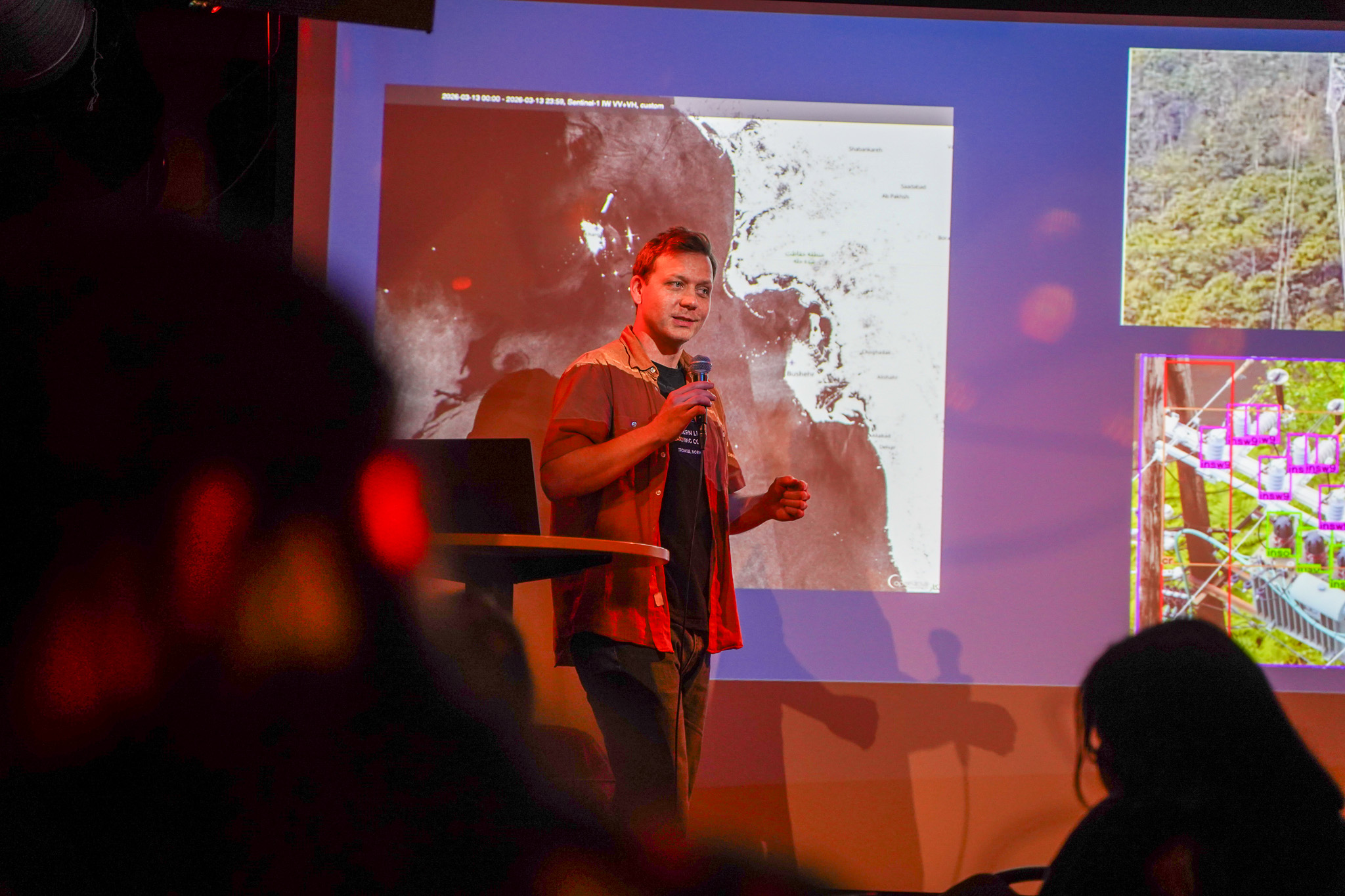
Visual Intelligence researchers Solveig Thrun and Kristoffer Wickstrøm took their research out of the lab and to Tromsø city centre as part of Pint of Science 2026.
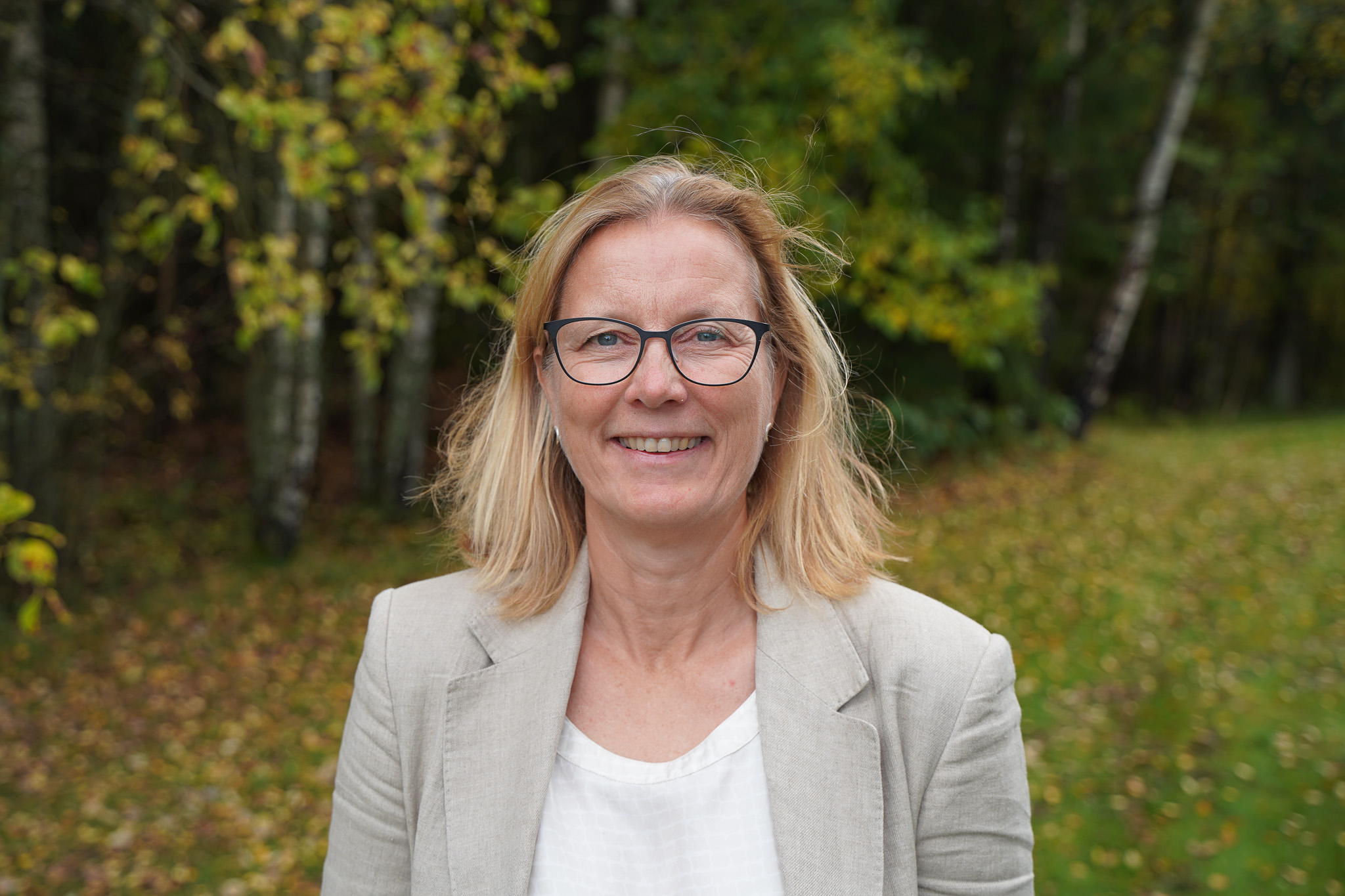
Subsurface Digital Manager and former Visual Intelligence board member Cathrine Tegnander will serve as the elected leader of Visual Intelligence's board.
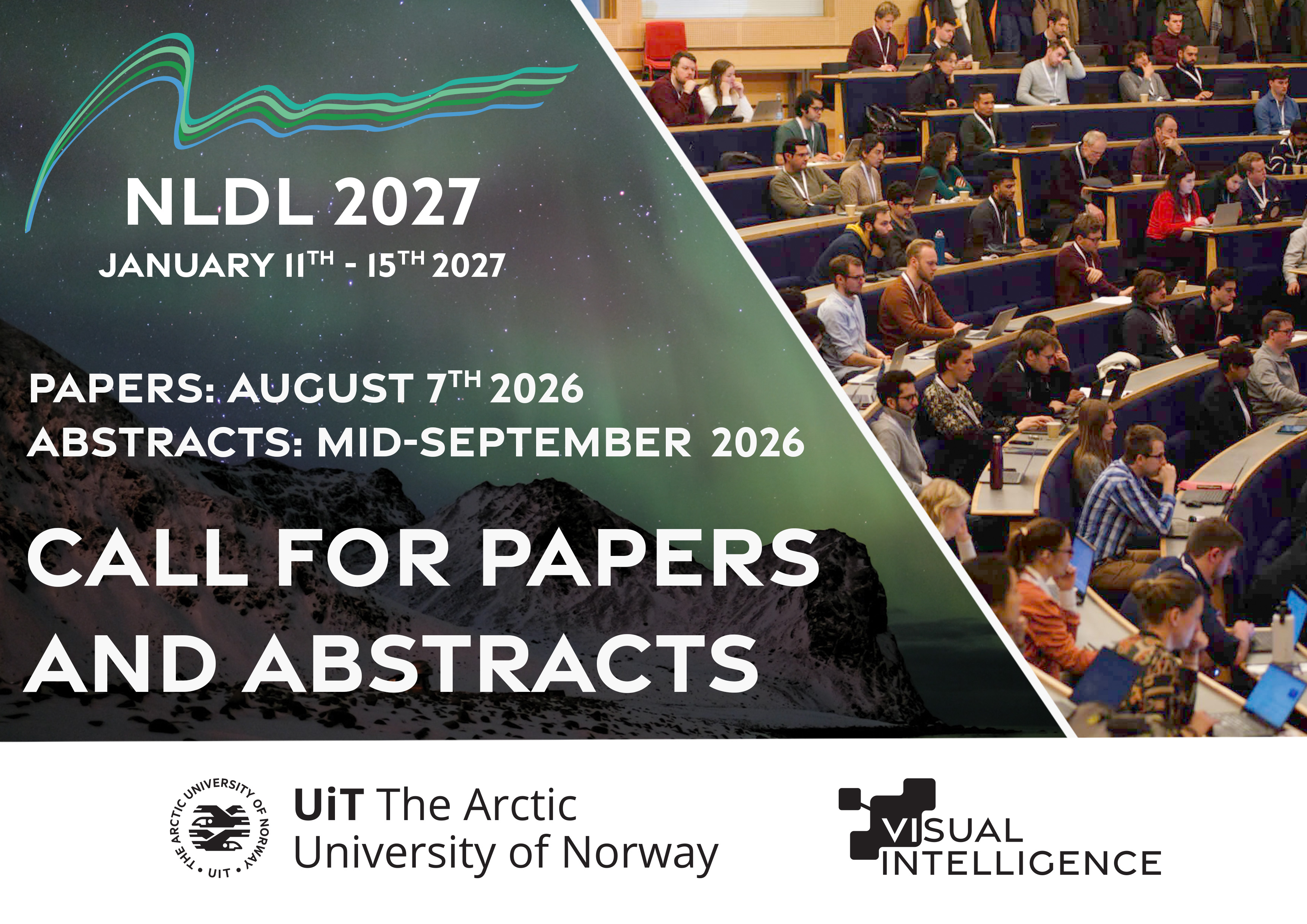
The Call for Papers and Abstracts for the Northern Lights Deep Learning (NLDL) Conference 2027 is officially announced – with submission deadlines on August 7th and Mid-September 2026 respectively.
The field of Visual Intelligence is continuously transforming. Chief Research Scientist Arnt-Børre Salberg dives deeper into the current trends in the field of visual intelligence as of early 2026.
Generativ kunstig intelligens er imponerende, men ikke alltid så nyttig til å løse industrielle problemer (Norwegian op-ed in digi.no).
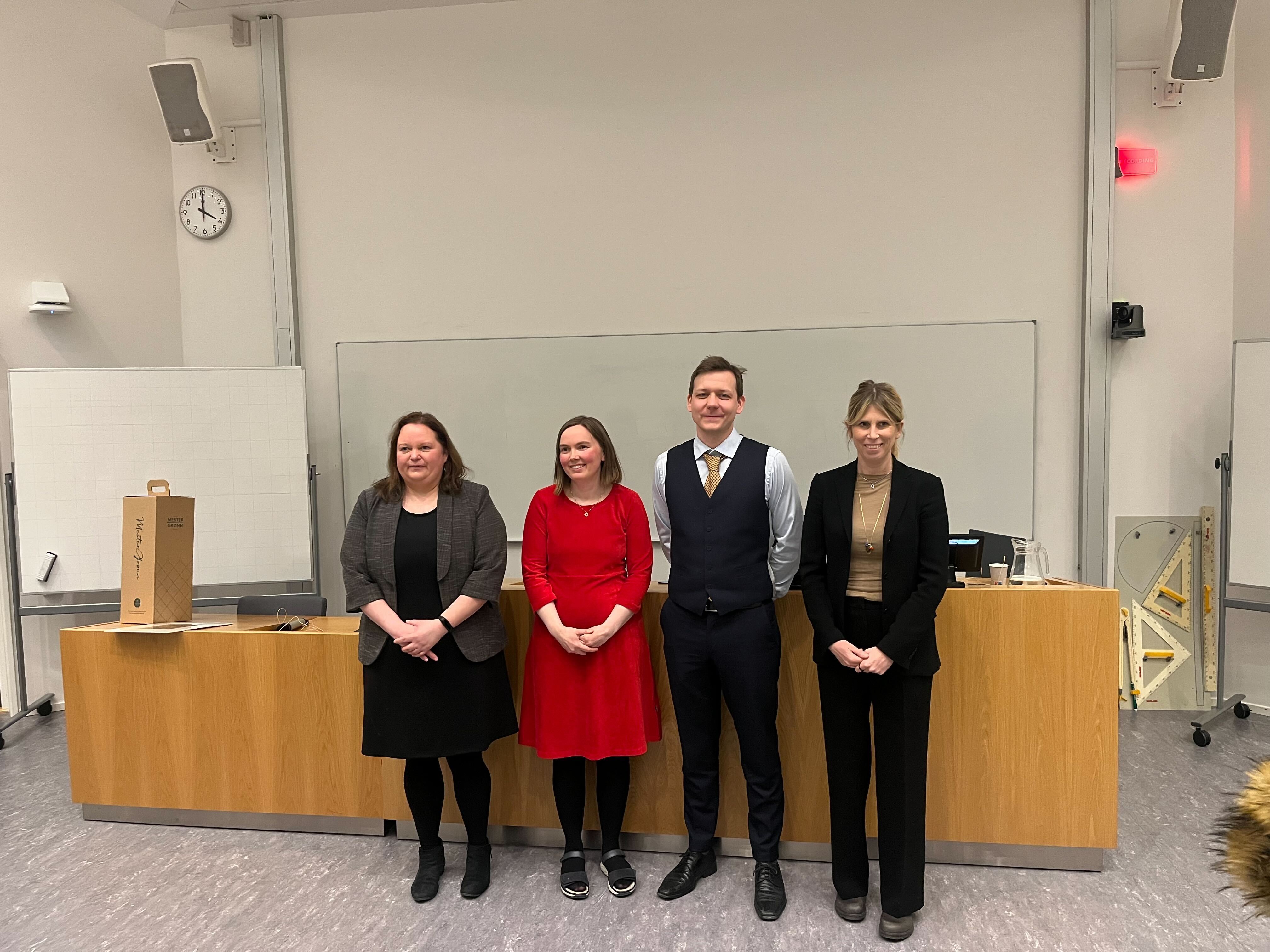
Congratulations to Marit Dagny Kristine Jenssen, who successfully defended her PhD thesis at UiT The Arctic University of Norway on April 10th
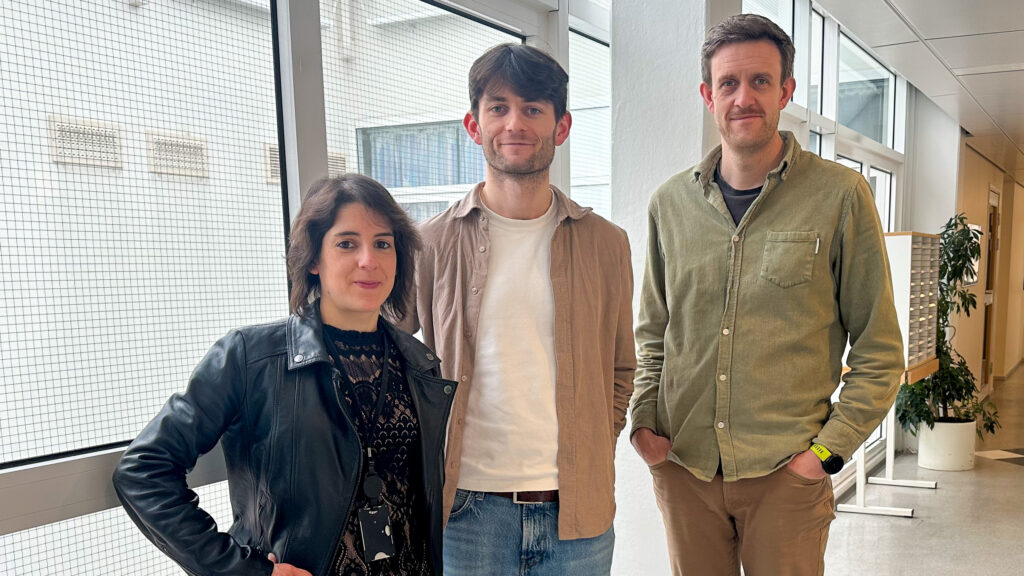
The NCS model, a seismic foundation model trained on data from the Norwegian data repository for subsurface data, is now available as an open-source model, allowing anyone to download, utilize, and further develop the model.
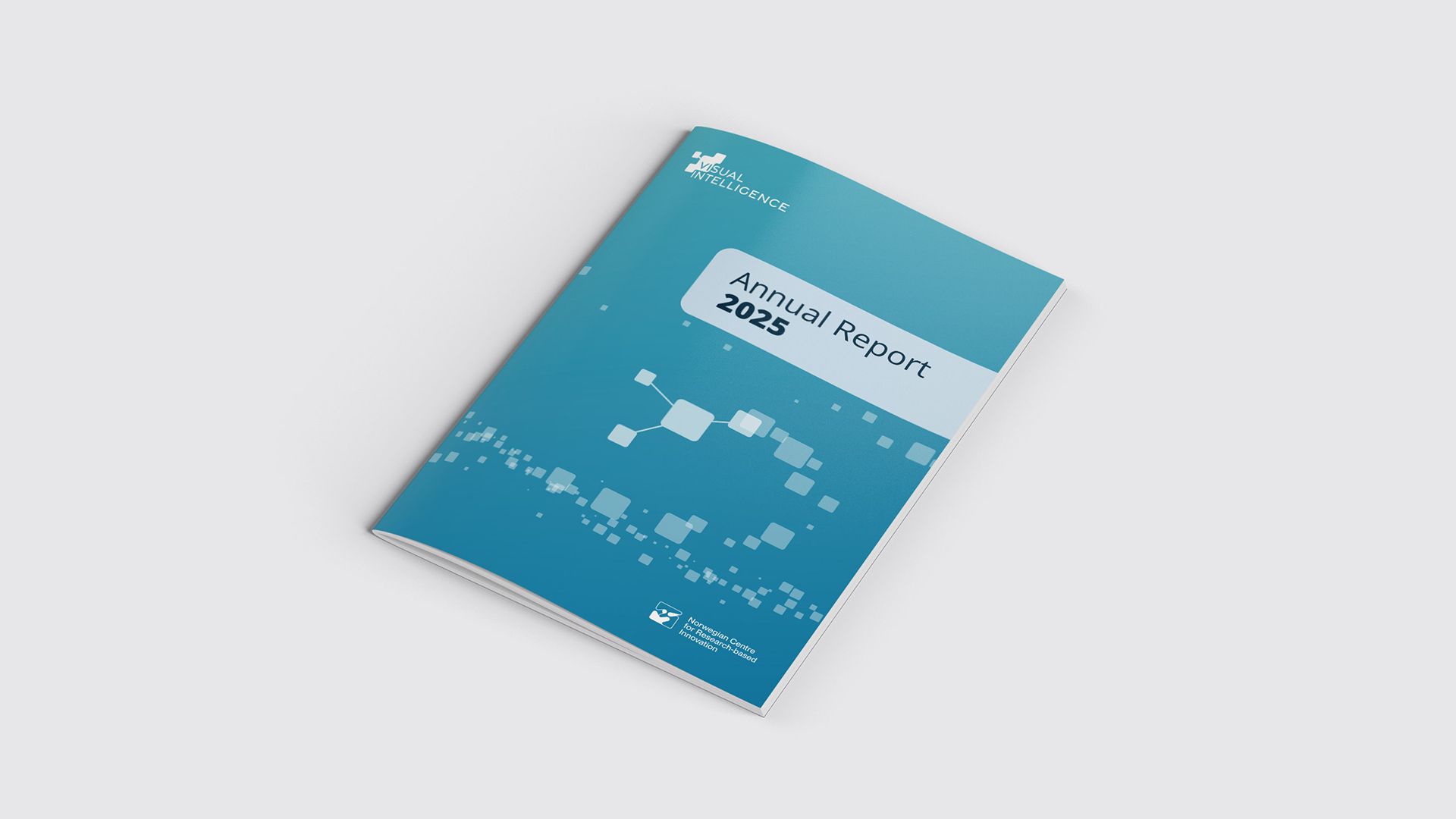
The Visual Intelligence Annual Report 2025, highlighting the centre's progress, activities, achieved innovations, staff, funding, and publications for 2025, is now available to read on our websites.
.jpg)
Congratulations to Centre Director Robert Jenssen, who received UiT's Research and Development Award at the university's annual celebration.
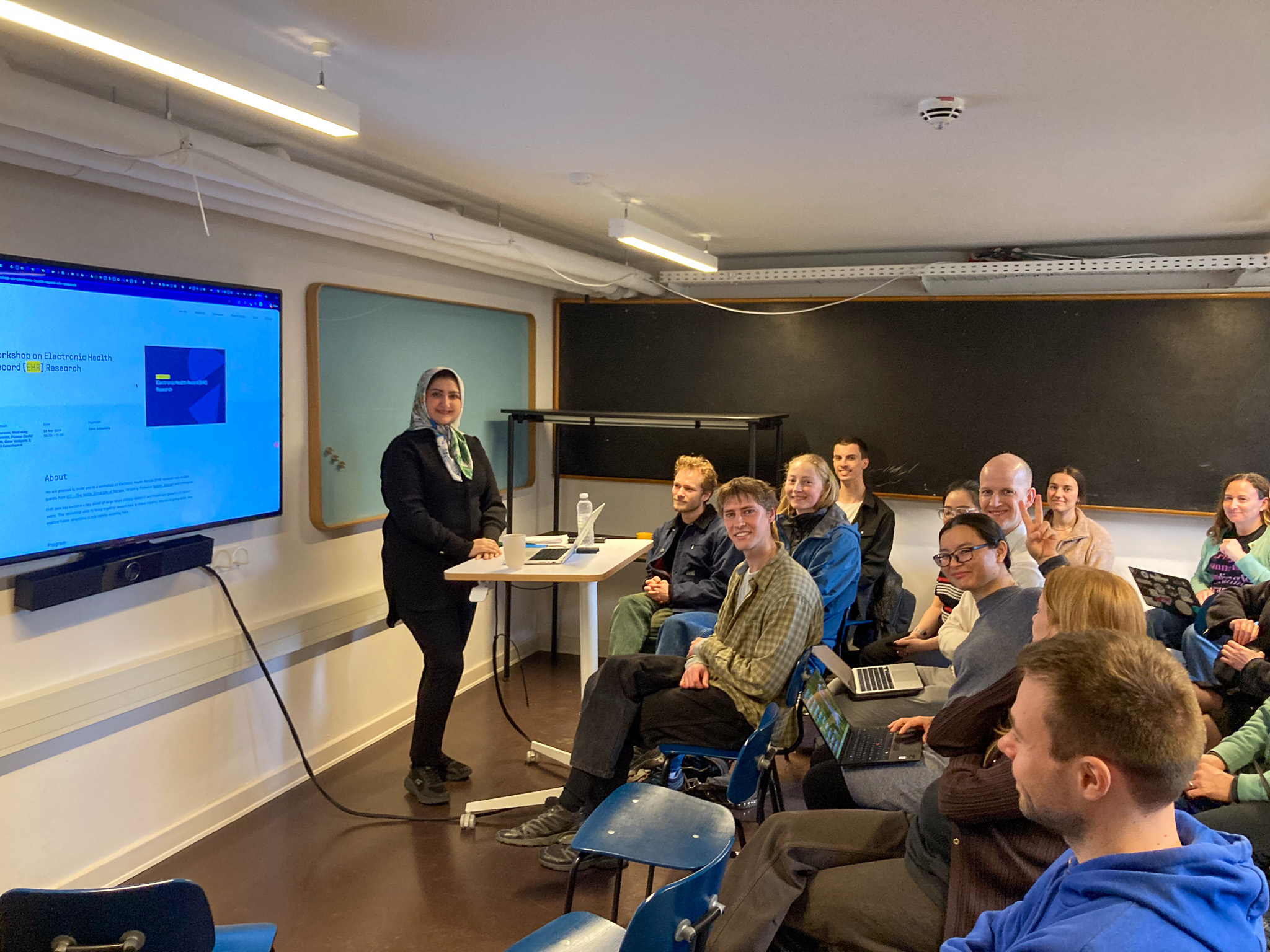
Visual Intelligence researchers contributed to the Pioneer Centre for AI workshop on Electronic Health Records research. The aim was to strengthen ties between the two centres on EHR-related research.
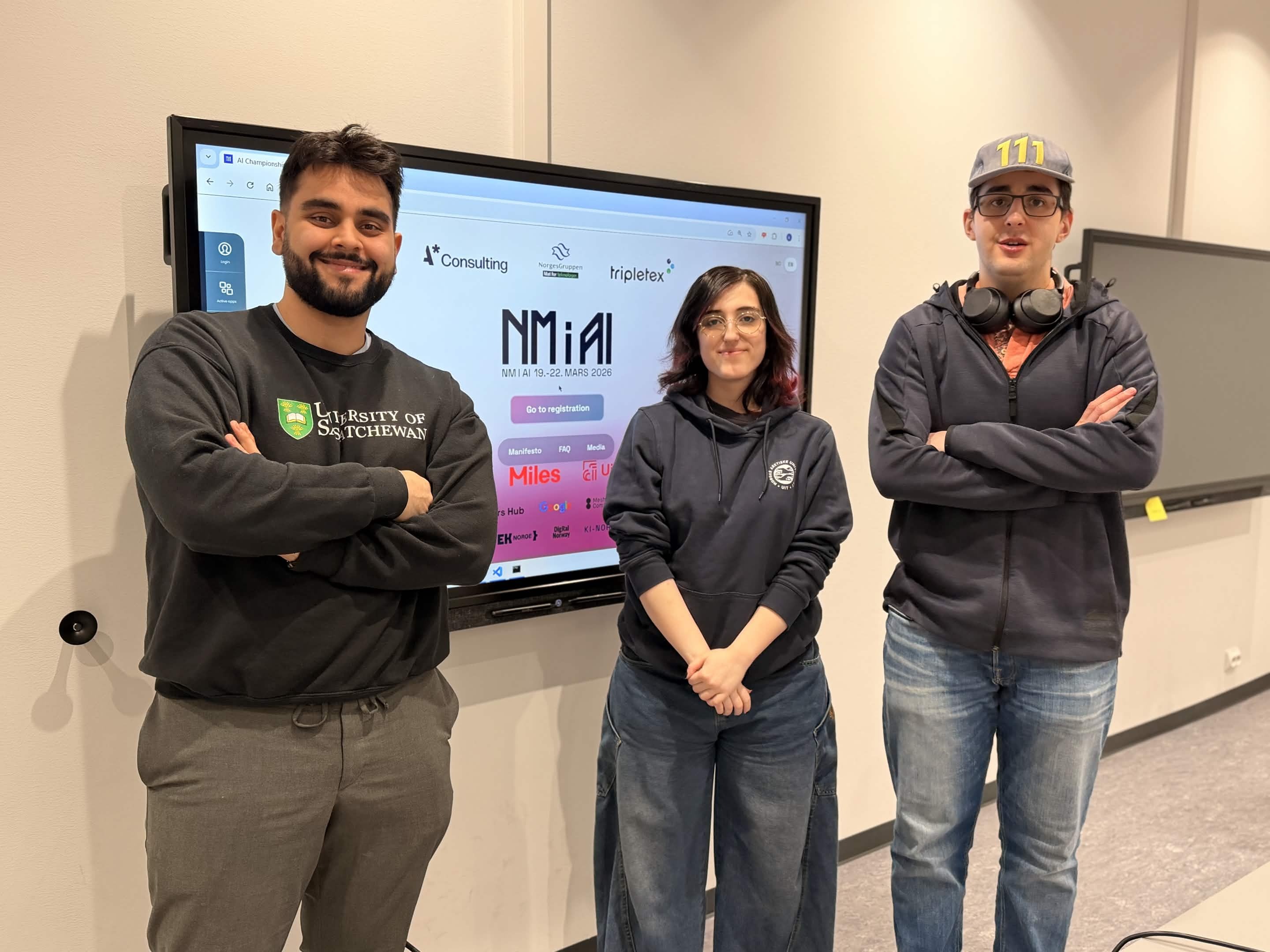
Tre av studentene i sivilingeniør i Kunstig Intelligens ved UiT skal delta i NM i KI. Slik gikk det da de ble intervjuet ved hjelp av kunstig intelligens (News article in nordlys.no).