

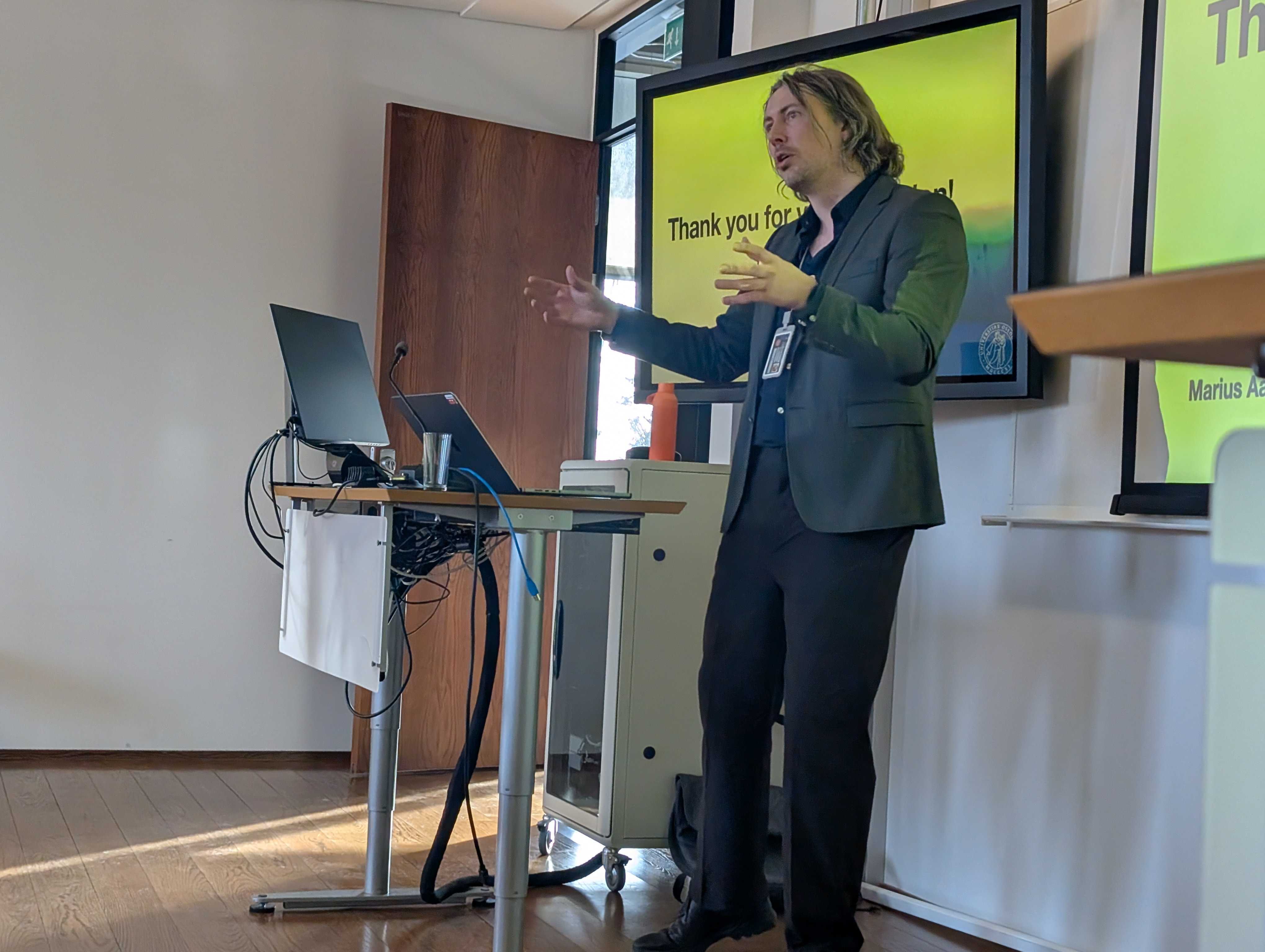
Aasan defending his PhD thesis at the University of Oslo.
Congratulations to Marius Aasan, who successfully defended his PhD thesis at the University of Oslo on February 10th.
Congratulations to Marius Aasan, who successfully defended his PhD thesis at the University of Oslo on February 10th.
By Petter Bjørklund, Communications Officer at SFI Visual Intelligence
Aasan is a PhD Research Fellow at Visual Intelligence and the Digital Signal Processing and Image Analysis Group at the University of Oslo.
His thesis, titled "From Continua to Objecthood: On Tokenization and Perceptual Grouping in Vision", argues that the energy-hungriness and unintelligbility of modern vision systems is not based on how much data machines see, but how they see it. By letting models learn how images naturally divide into meaningful visual regions, Aasan argues that they can focus on structure and form rather than minute pixel-level details.
Aasan's trial lecture was titled From "Convolutions to Transformers: How Modern Vision Models See Images"
Today’s AI vision models can recognize faces, animals, and objects with astonishing accuracy, and they keep improving as we feed them more data and provide them with more computing power. But this progress comes at a price: modern vision systems are increasingly large, energy-hungry, and difficult to interpret or understand.
This thesis argues that the problem is not only how much data machines see, but how they see it. Humans do not analyze images pixel by pixel; instead, we focus on shapes, regions, and relationships in visual scenes. The research presented here shows that artificial intelligence can be convinced to do the same. By letting models learn how images naturally divide into meaningful visual regions, they can focus on structure and form rather than minute pixel-level details.
The result is a new way of building vision systems that are more effective, accurate, and interpretable. As visual AI becomes part of everyday life it becomes increasingly important to develop models that are faster, more transparent, and more sustainable.

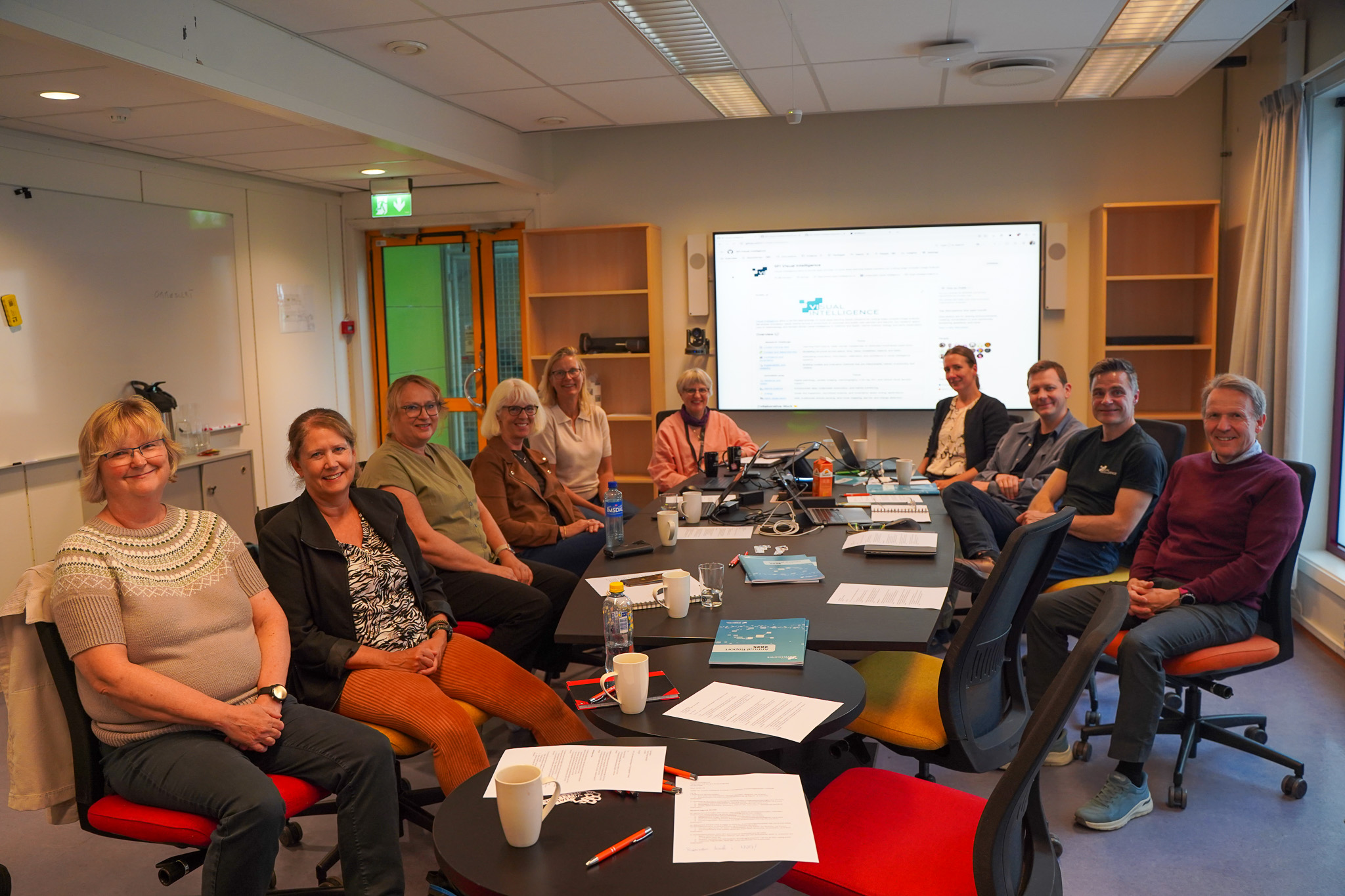
Representatives from the Research Council of Norway came to Visual Intelligence's hub in Tromsø for a site visit meeting.
.jpg)
Harald Lykke Joakimsen, a PhD Candidate at Visual Intelligence's hub in Tromsø, will compete in Forsker Grand Prix: Norway's national popular science competition.
.png)
Congratulations to Centre Director Robert Jenssen, who was appointed as a new fellow of the International Associaton for Pattern Recognition (IAPR).
.jpg)
Why should we think twice before using AI as a therapist, romantic partner, or to help with homework? AI expert Elisabeth Wetzer explains.
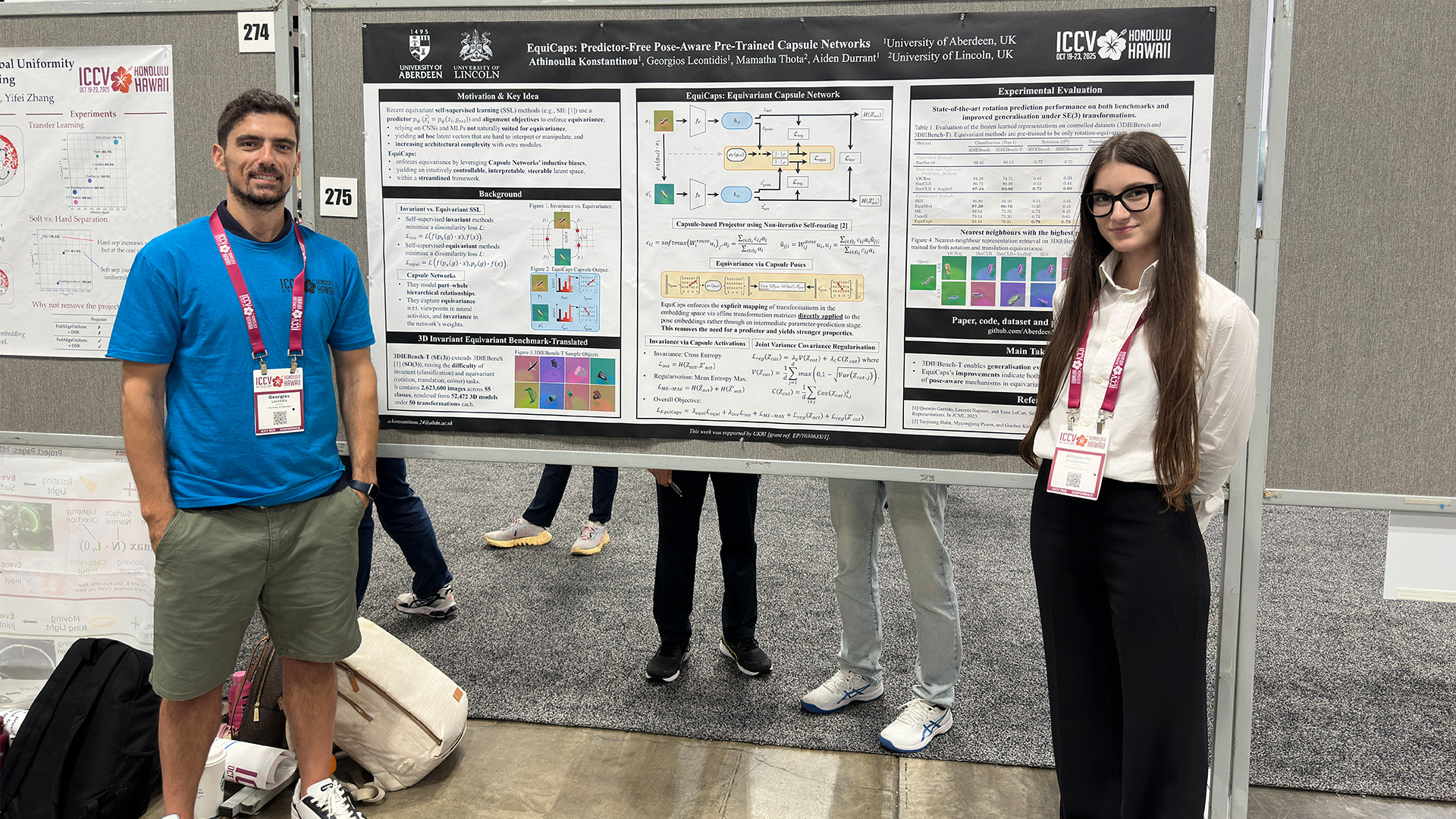
Athinoulla Konstantinou is a PhD student at the University of Aberdeen. She visited Visual Intelligence's hub in Tromsø to work with equivariant modelling.
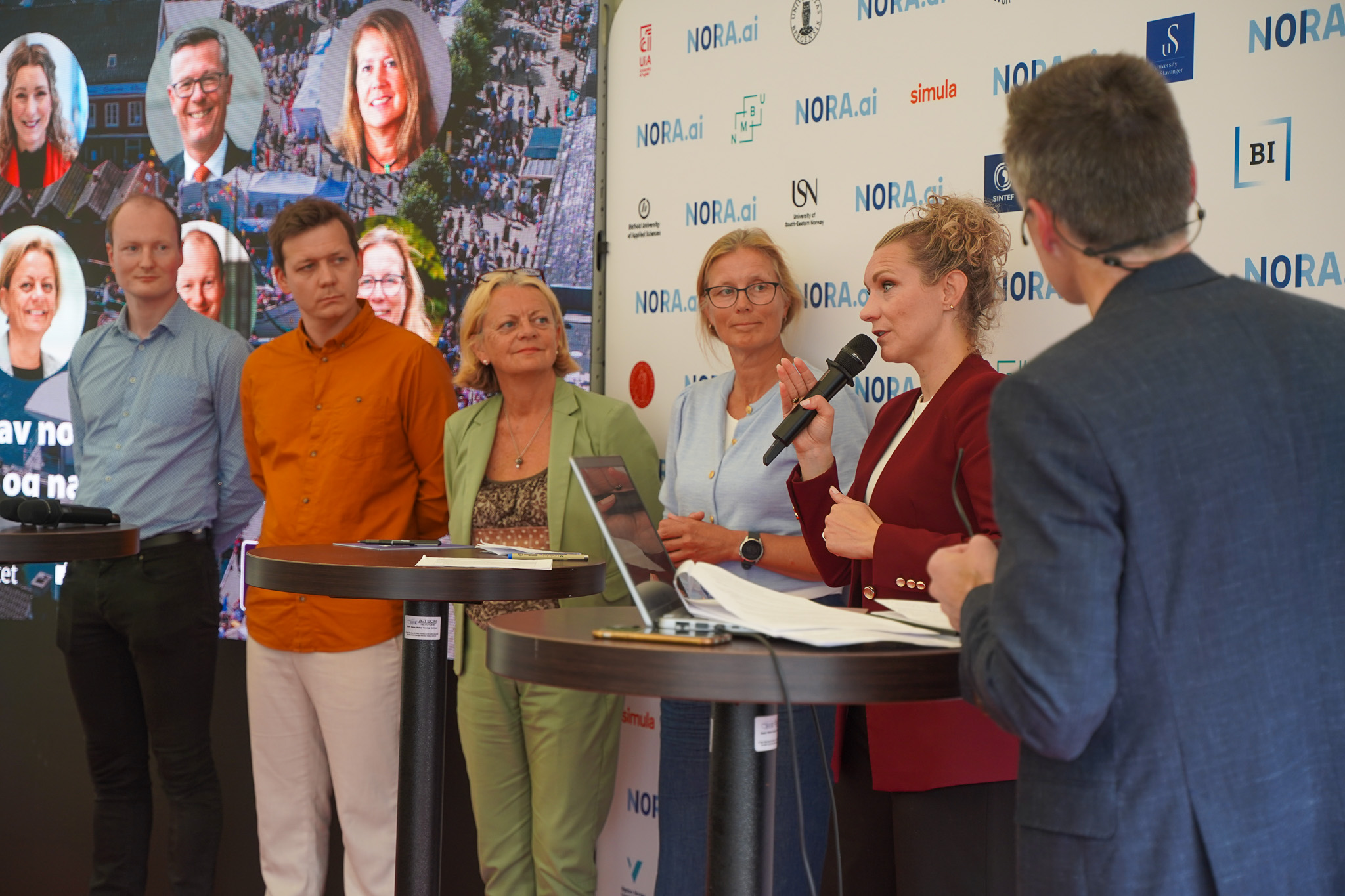
Visual Intelligence gathered experts from Norwegian politics, research council, industry, the public sector, and academia to discuss the value of Norwegian AI competence and Norwegian-developed models.

Visual Intelligence researchers are attending two AI-oriented events at Arendalsuka 2026: Norway's largest annual political festival.
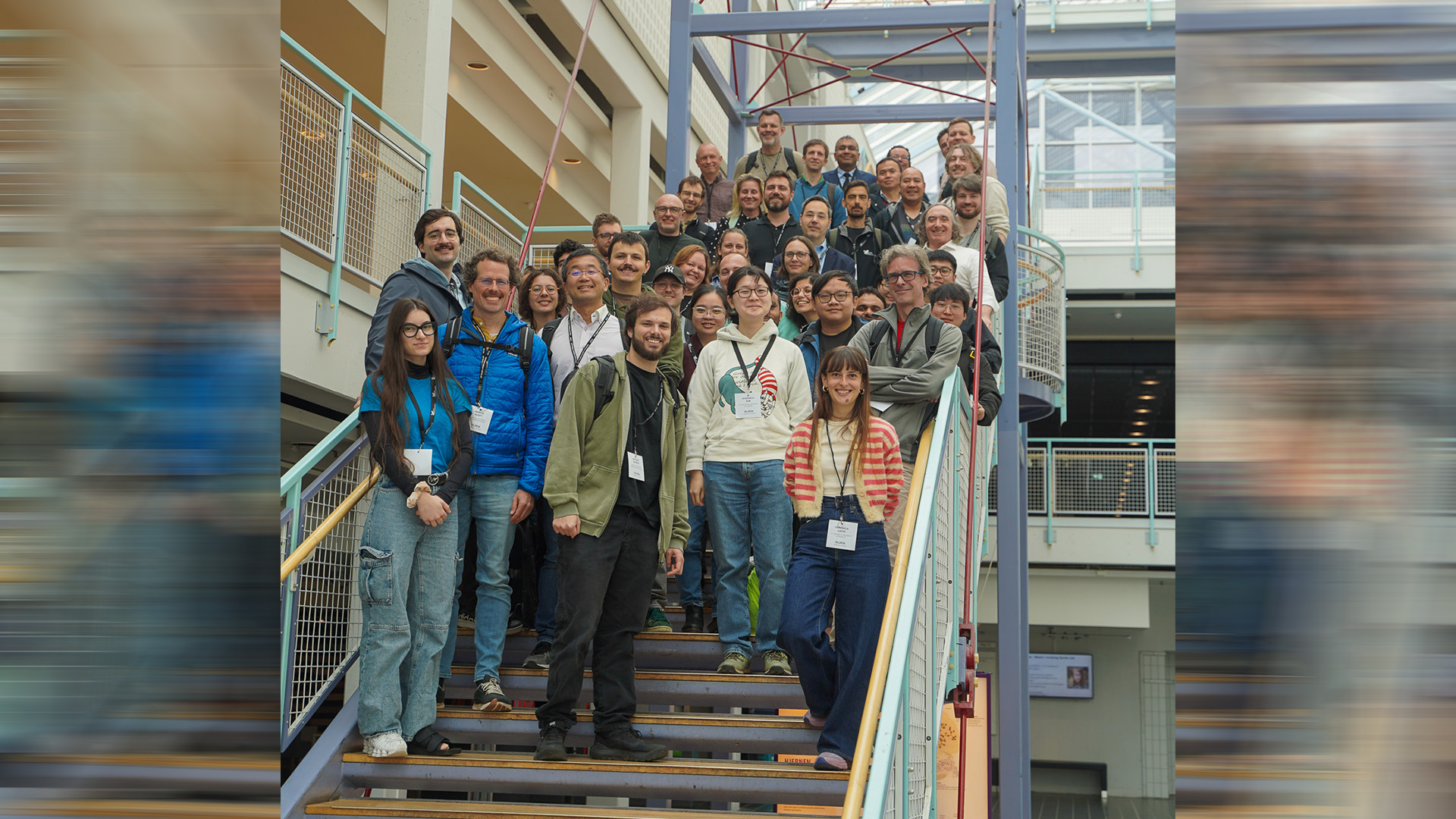
Visual Intelligence hosted over 45 international AI researchers for the DL2026 workshop at UiT The Arctic University of Norway.

Visual Intelligence will be well represented at MICCAI 2026, one of the leading AI conferences on medical imaging and computer assisted intervention, with two accepted research papers.
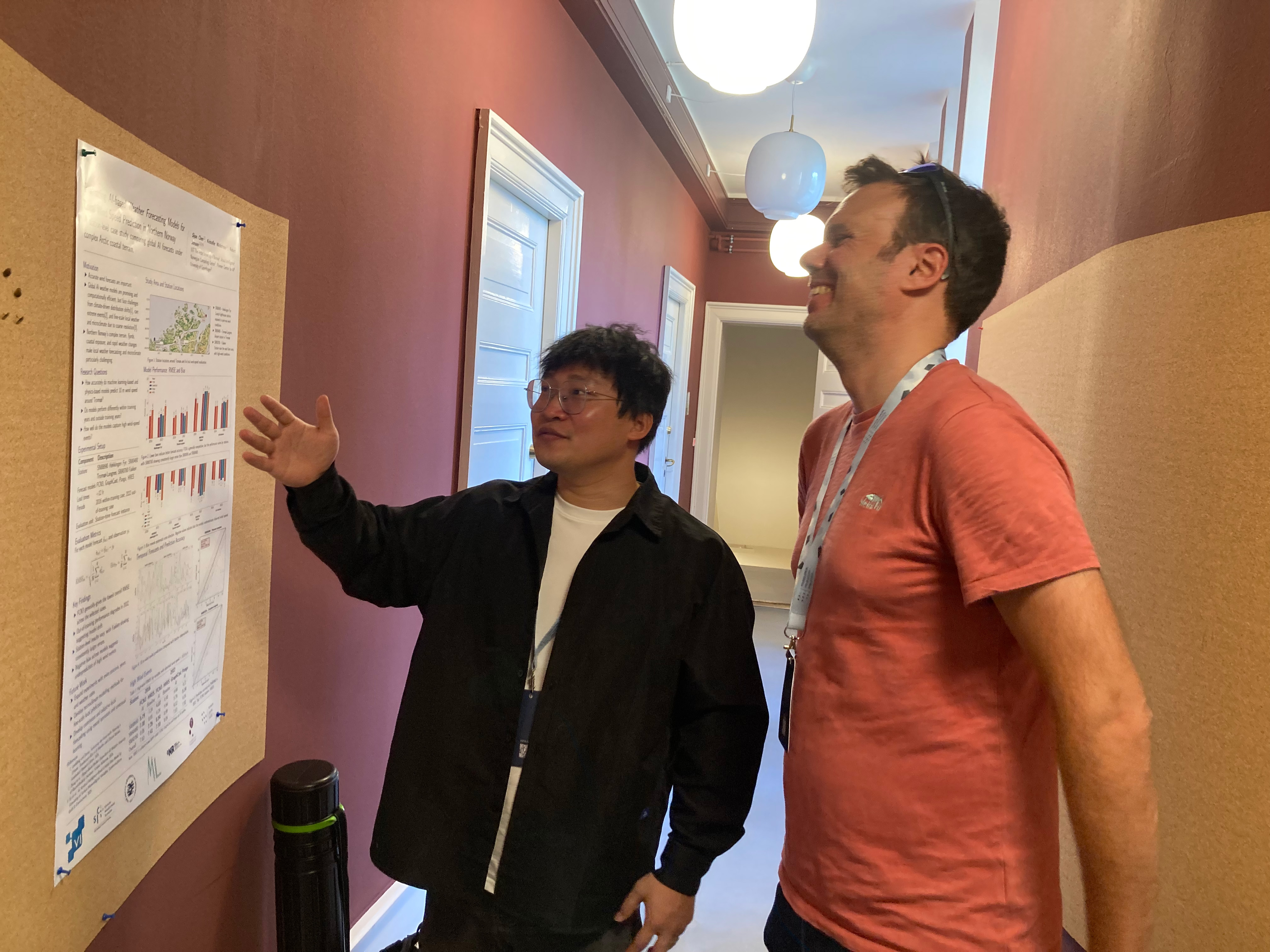
Visual Intelligence co-organized and attended the "Foundations of Arctic AI and Generative Forecasting": an inaugural workshop in the P1 Arctic AI program.
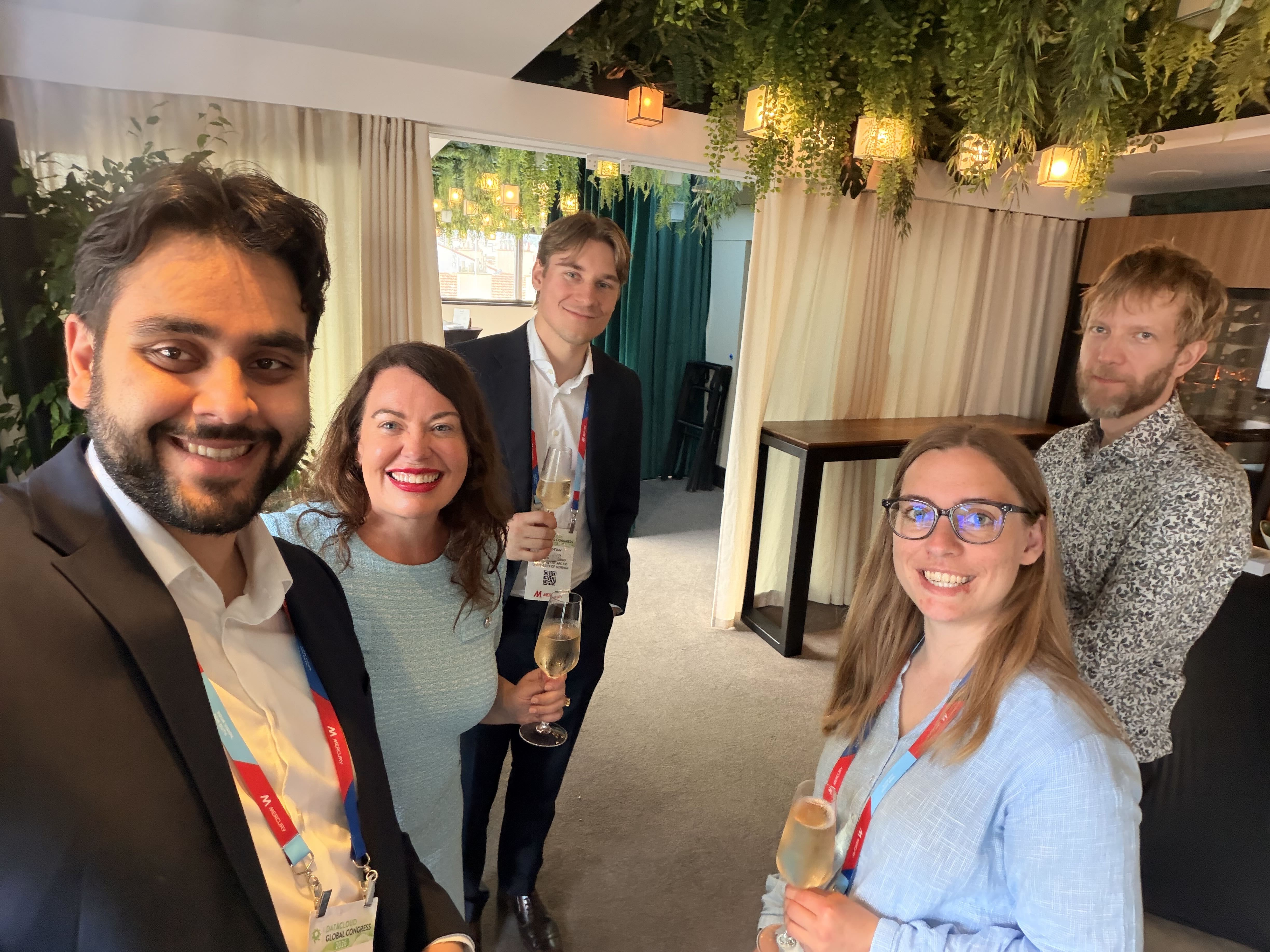
PhD Candidates Solveig Thrun and Christian Salomonsen attended the Datacloud Global Congress' Talent in Tech programme, which invited emerging talent to a unique programme designed to inspire, educate, and connect young professionals with senior leaders from global tech giants.
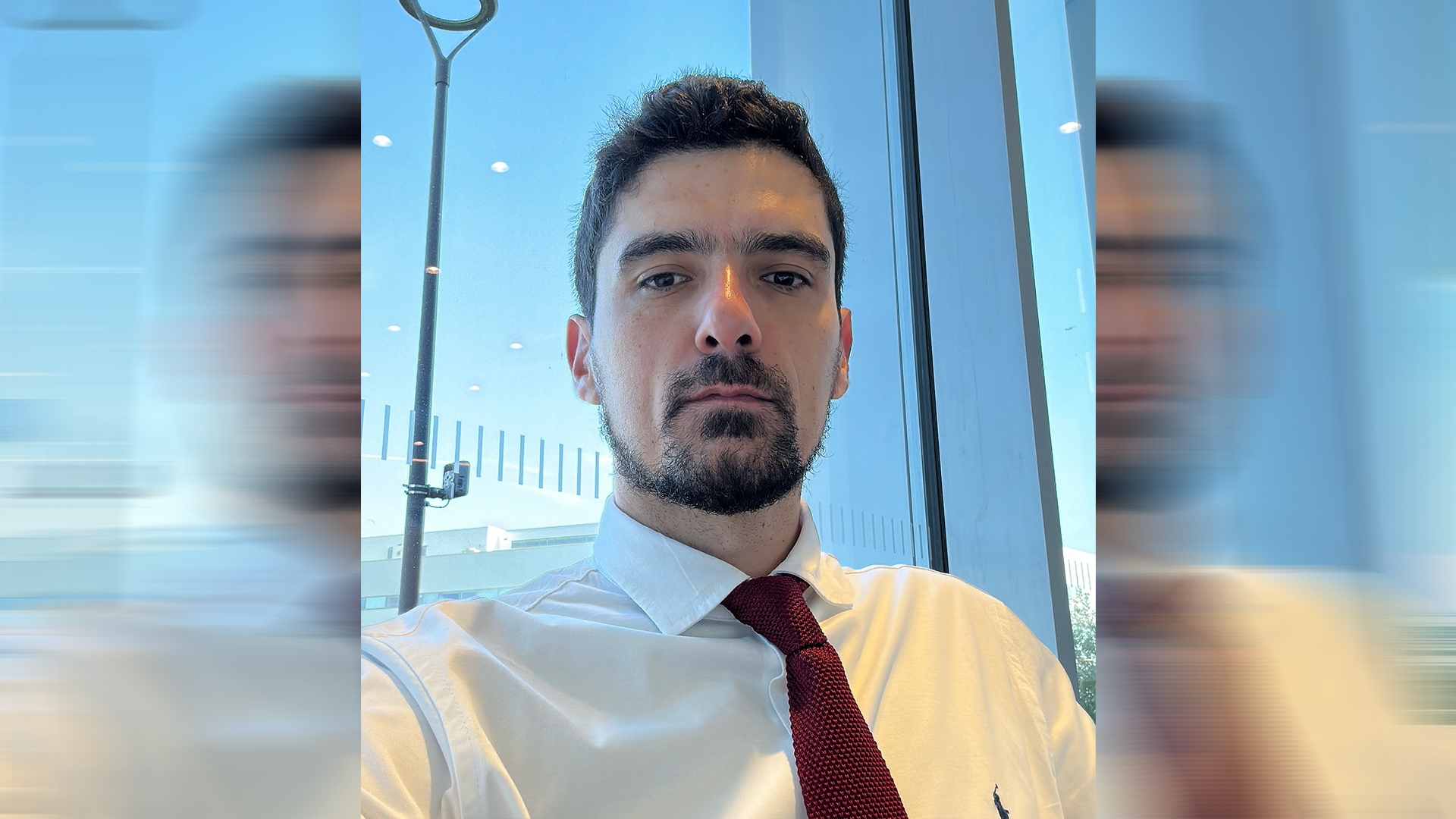
We warmly welcome Georgios Leontidis as a new Professor at SFI Visual Intelligence's hub at UiT The Arctic University of Norway.

Centre Director Robert Jenssen was interviewed by Norsk rikskringkasting (NRK) about the Japan-Norway AI Innovation Forum in Tokyo, Japan.
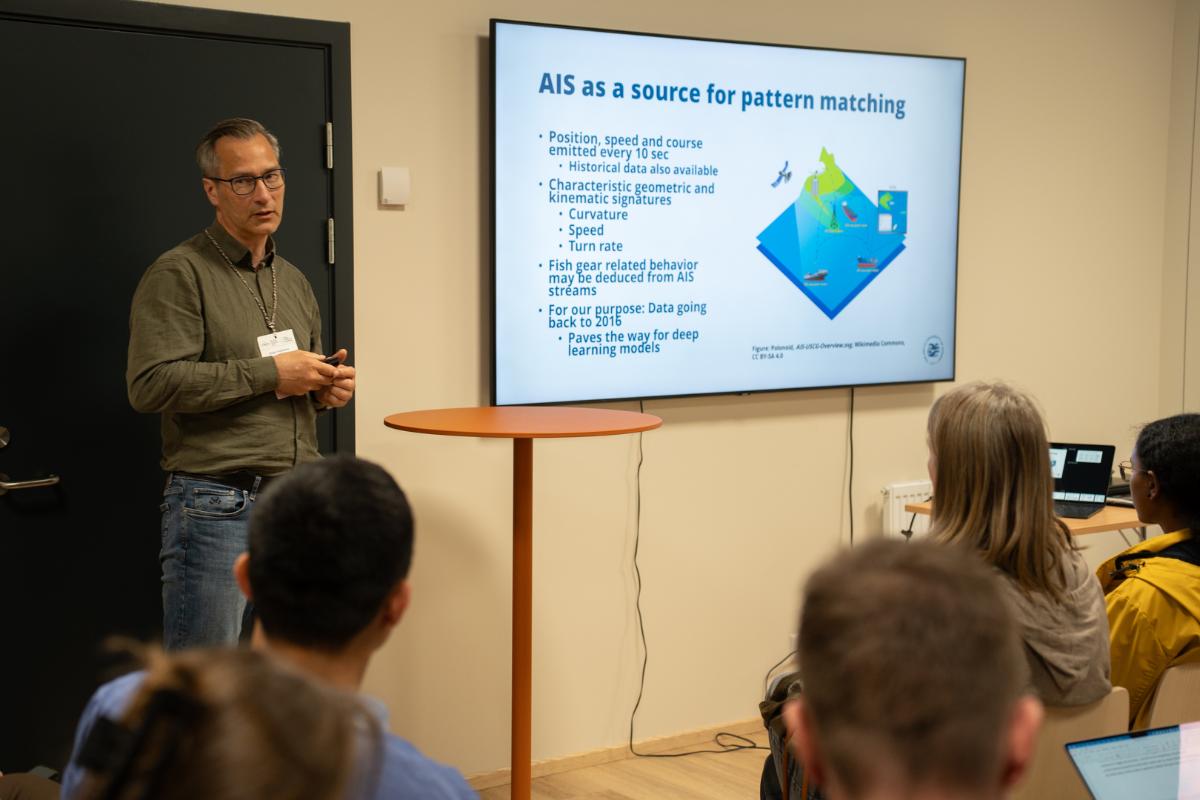
En ny AI-løsning utviklet ved UiT kan gjøre det enklere å avdekke feilrapportering og ulovlig fiske. Nå skal Norges Råfisklag teste teknologien i praktisk bruk (News article on kystogfjord.no)
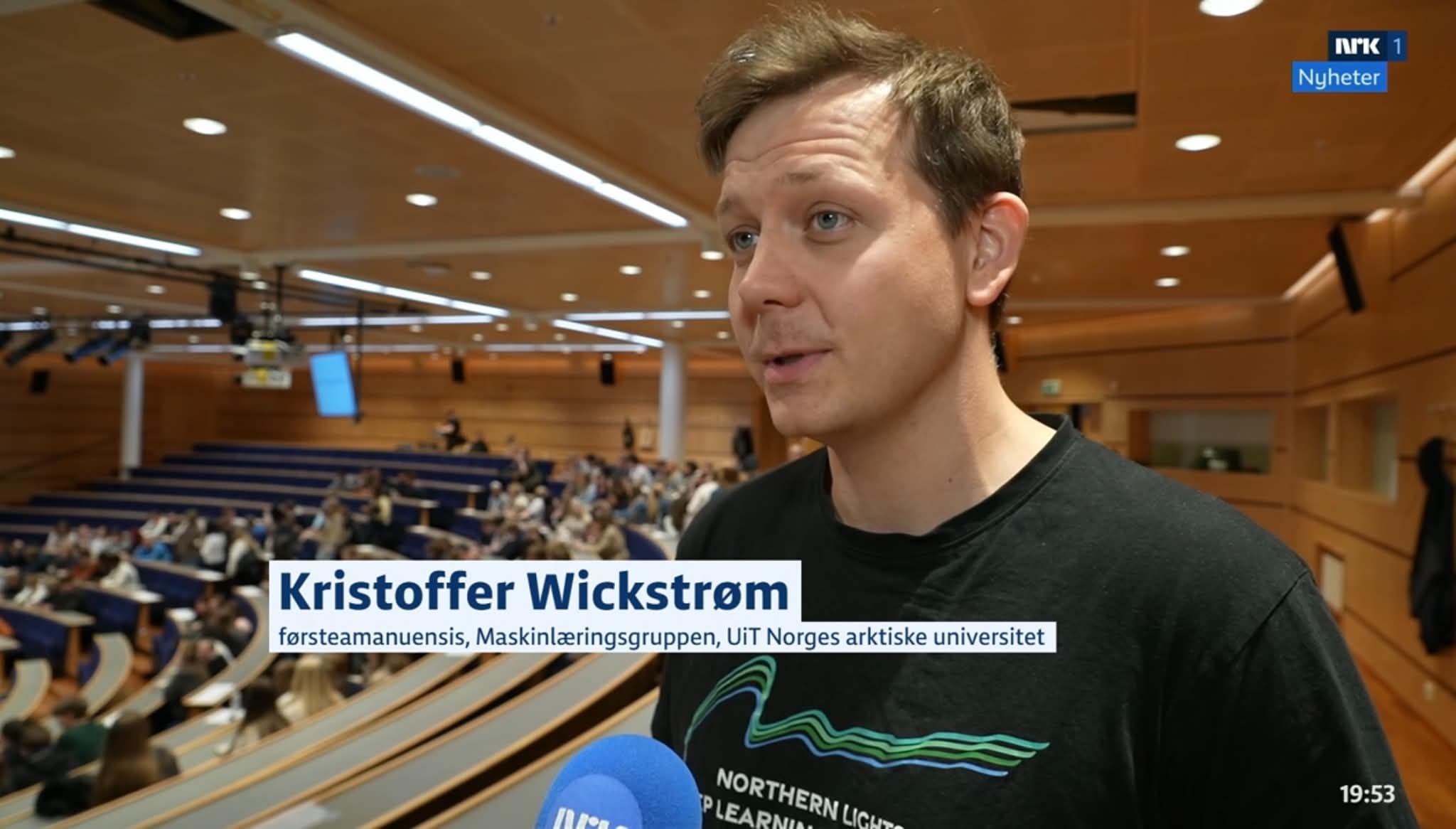
Principal Investigator Kristoffer Wickstrøm was interviewed by Norsk rikskringkasting (NRK) about the Artificial Intelligence Day at UiT- The Arctic University of Norway.
.jpg)
En ny, åpent tilgjengelig KI-modell kan endre hvordan geologer tolker seismikk. Den norske grunnmodellen lover raskere analyser, lavere terskel for innovasjon og nye måter å forstå undergrunnen på.
Centre Director Robert Jenssen was interviewed by Norsk rikskringkasting (NRK) about AI in fisheries and this year's UArctic (University of the Arctic) Congress on the Faroe Islands.
.jpg)
Professor and AI expert Robert Jenssen is attending the Japan-Norway AI Innovation Forum and Japan-Norway Research Symposium, two high-level meetings with Norwegian and Japanese government leaders, business actors and researchers.
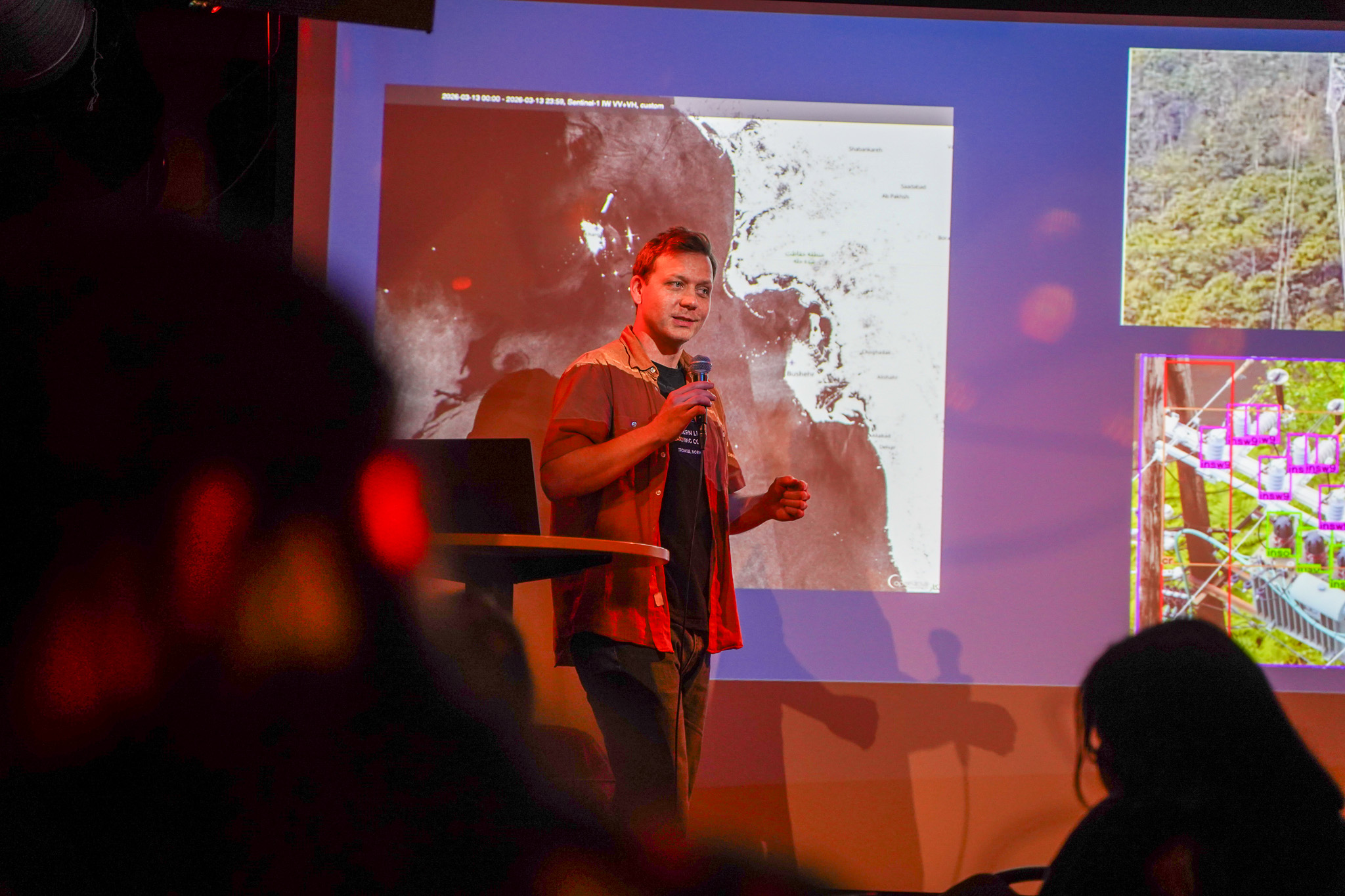
Visual Intelligence researchers Solveig Thrun and Kristoffer Wickstrøm took their research out of the lab and to Tromsø city centre as part of Pint of Science 2026.
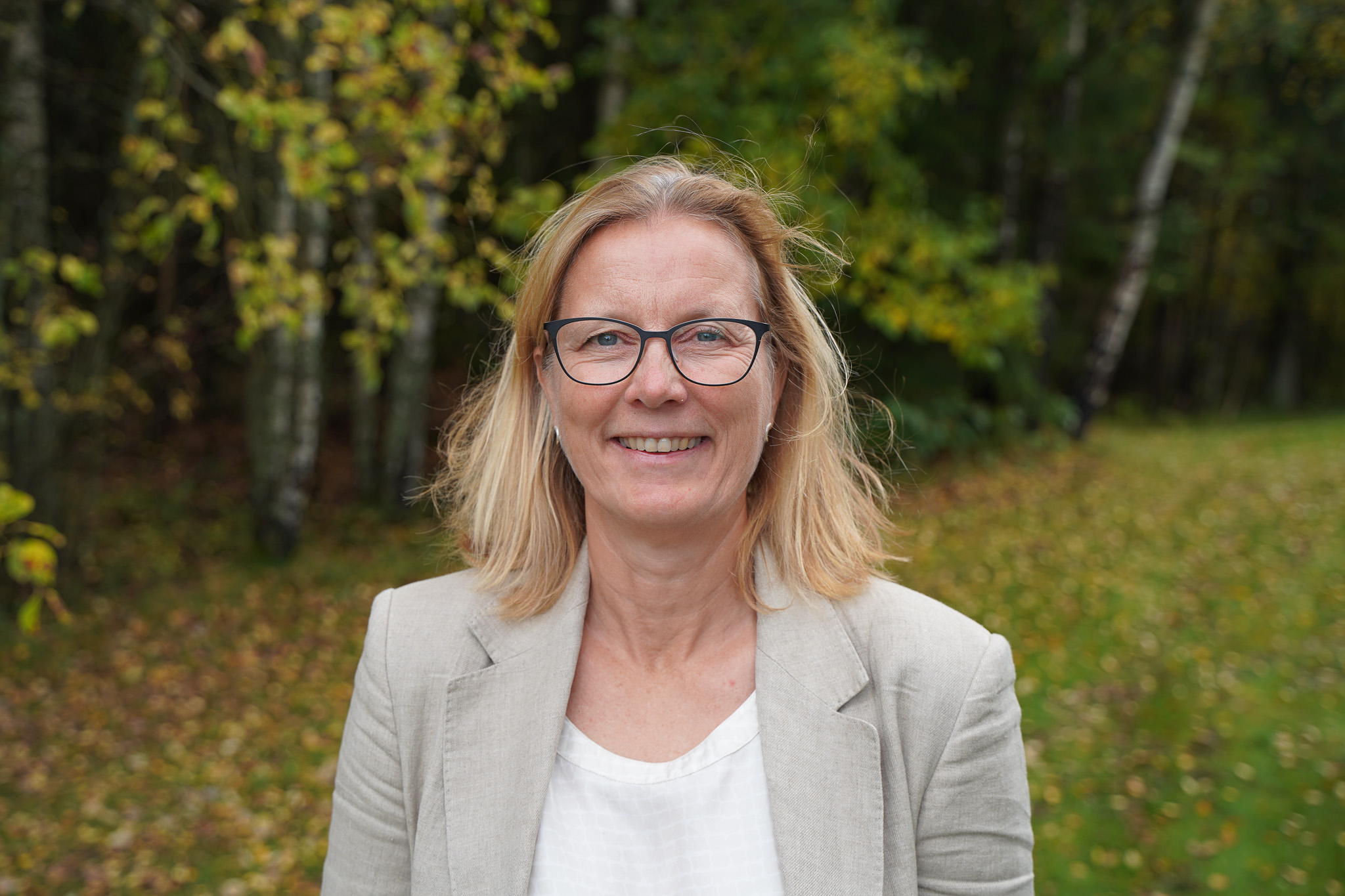
Subsurface Digital Manager and former Visual Intelligence board member Cathrine Tegnander will serve as the elected leader of Visual Intelligence's board.