

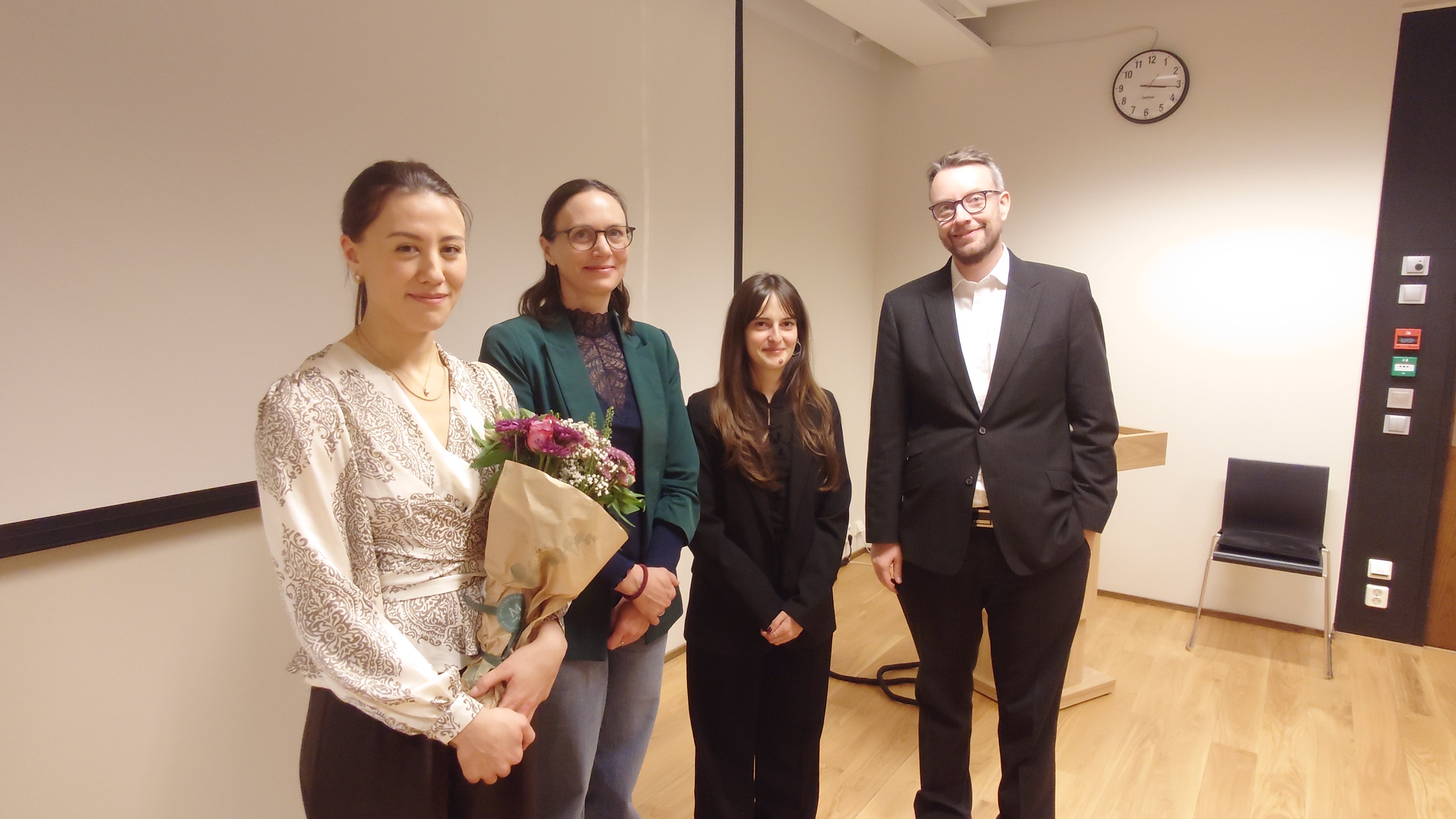
Dr. Martine Hjelkrem-Tan; Professor Line Katrine Harder Clemmensen, University of Copenhagen (opponent); Associate Professor Veronica Lachi, UiT The Artic University of Norway (opponent); Associate Professor Kai Olav Ellefsen, Department of Informatics, University of Oslo (committee manager).
We congraulate our colleague Martine Hjelkrem Tan, who successfully defended her PhD thesis for the degree of Philosophiae Doctor.
We congraulate our colleague Martine Hjelkrem Tan, who successfully defended her PhD thesis for the degree of Philosophiae Doctor.
By Petter Bjørklund, Communications Officer at SFI Visual Intelligence
Hjelkrem-Tan is a PhD Research Fellow at Visual Intelligence and the Digital Signal Processing and Image Analysis Group at the University of Oslo.
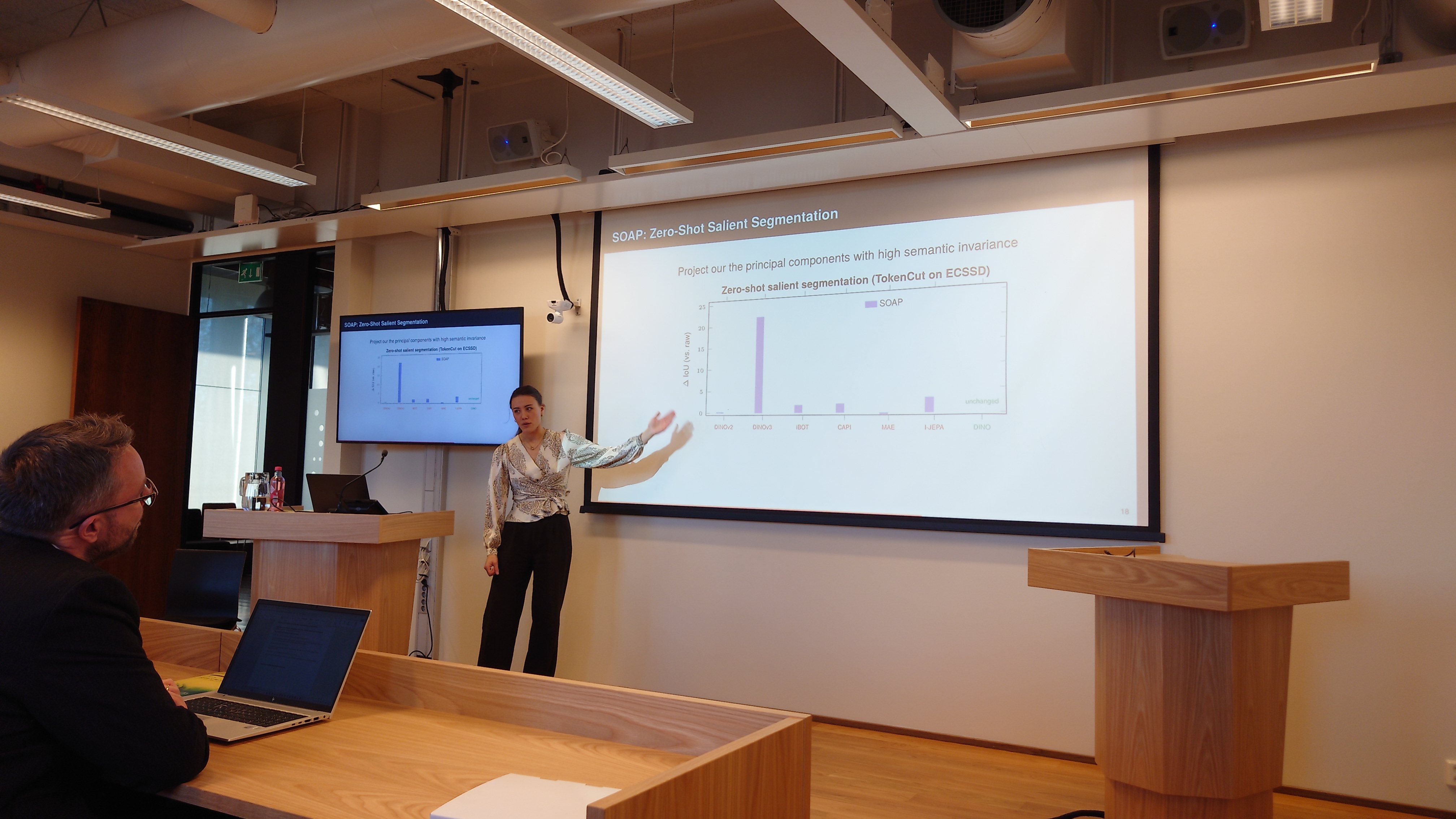
Her thesis, titled "Imprints of Pre-Training, Correcting Representational Biases in Vision Models", shows where AI models learn some of their noise from, and proposes lightweight methods to reduce noise without retraining models from scratch.
Hjelkrem-Tan's trial lecture was titled "Post-hoc explainability methods for deep learning in computer vision".
Current AI models for images learn a lot of noise. This thesis shows where some of that noise comes from, and proposes lightweight methods to reduce it without retraining models from scratch. General-purpose models trained on millions—sometimes billions!—of images are the starting point for many tasks in computer vision, where computers learn to understand images. They are used in everything from medical imaging to robotics.
While performance is impressive, what they learn is often noisy and only partly linked to what the images contain. The thesis traces this back to three choices in how the models were built and trained. The most common model design, the *transformer*, splits each image into the same grid of patches regardless of content. Images are often repetitive, so this adds redundant noise and wastes computing power. Some training methods reward the models for learning *where* things are more than *what* they are.
Lastly, models trained with text tend to understand images through words rather than visual cues. This thesis evaluates the effect of these problems, and proposes adjustments to existing models that reduce them. Retraining large models from scratch can be enormously expensive, so avoiding this saves time and resources.
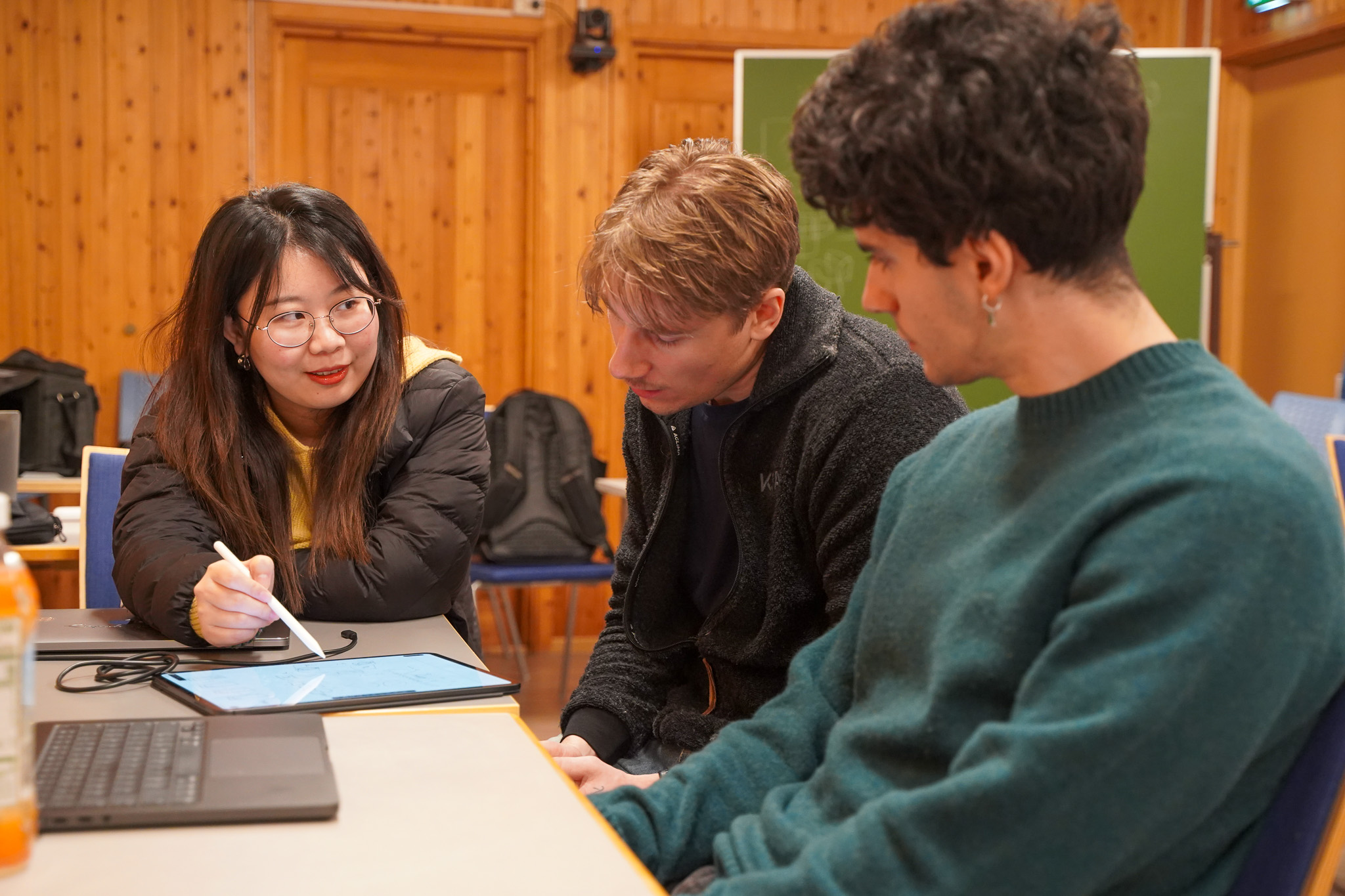
The Visual Intelligence Graduate School gathered our young researchers for a 3-Day Hackathon at Skibotn field station outside of Tromsø, Norway.
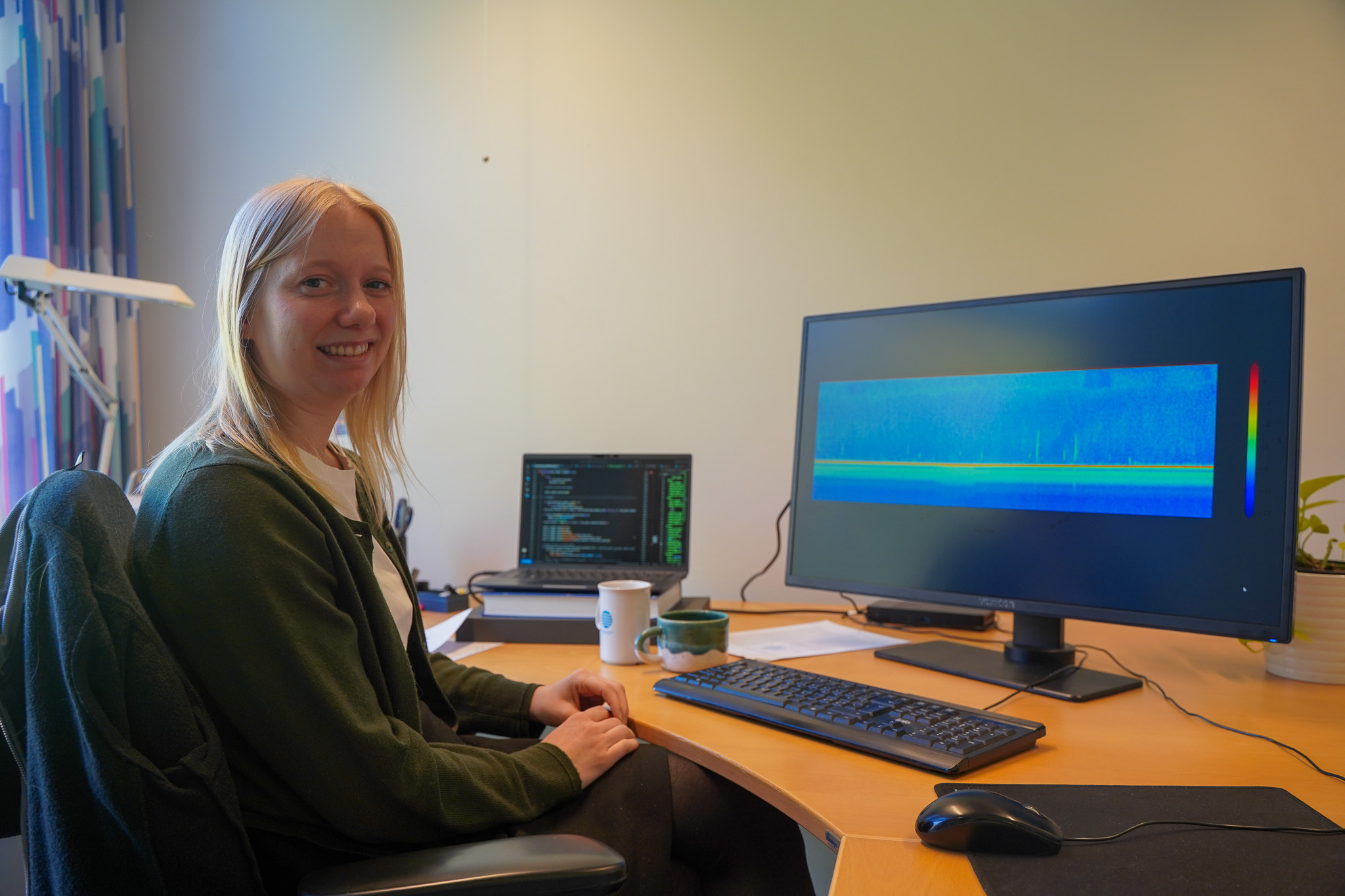
Visual Intelligence researchers are developing a foundation model to estimate the abundance of various species of fish. The technology could lead to more sustainable fisheries and help maintain more stable fish populations.

Norwegian news article on Nordlys.no featuring Sigurd Almli Hanssen, Cheyma Azzouz, Lars Uebbing and Robert Jenssen.
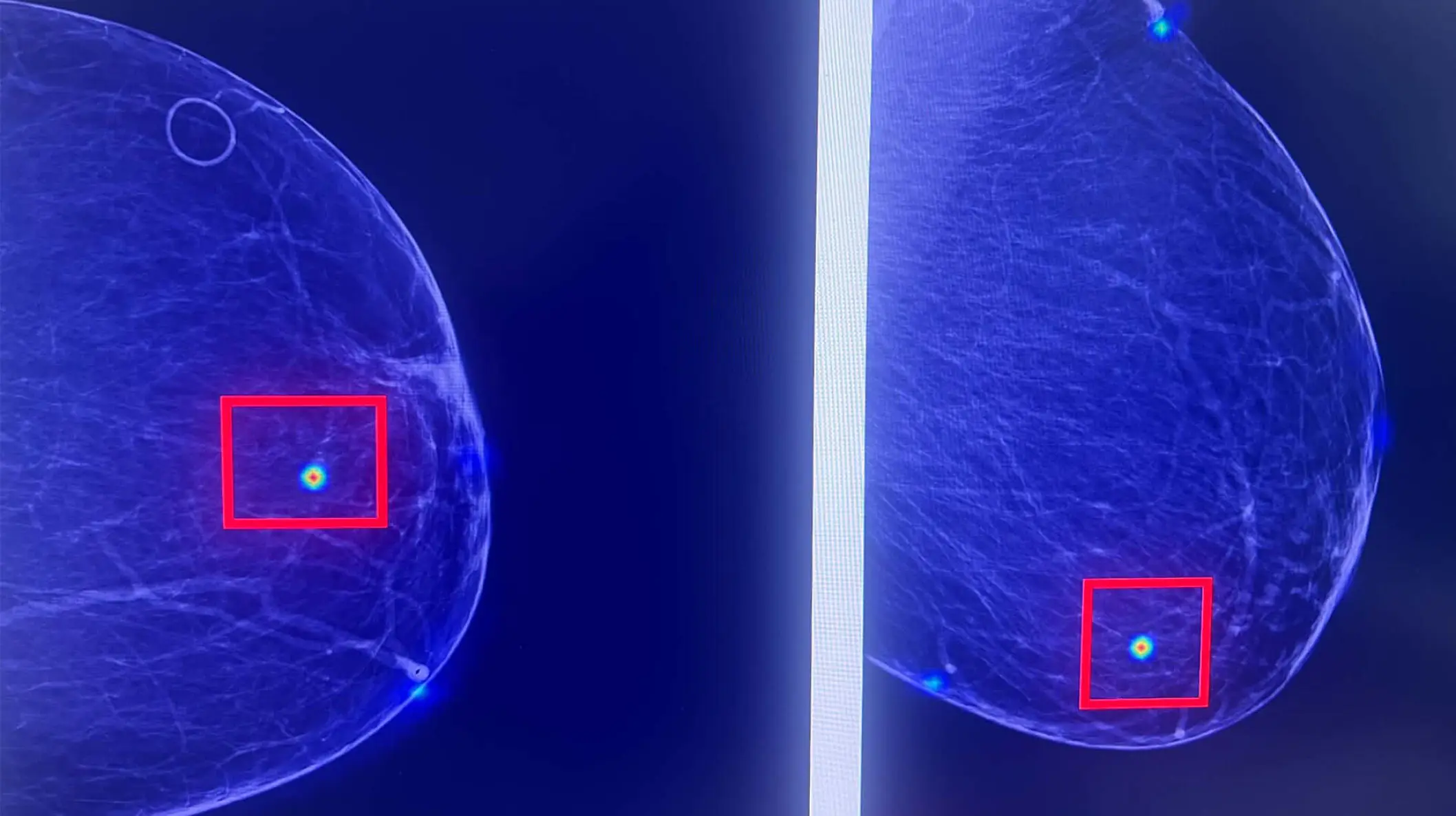
Forskere har utviklet KI til å forutsi risikoen for å få brystkreft innen ett til fem år (Norwegian popular science article on forskning.no).
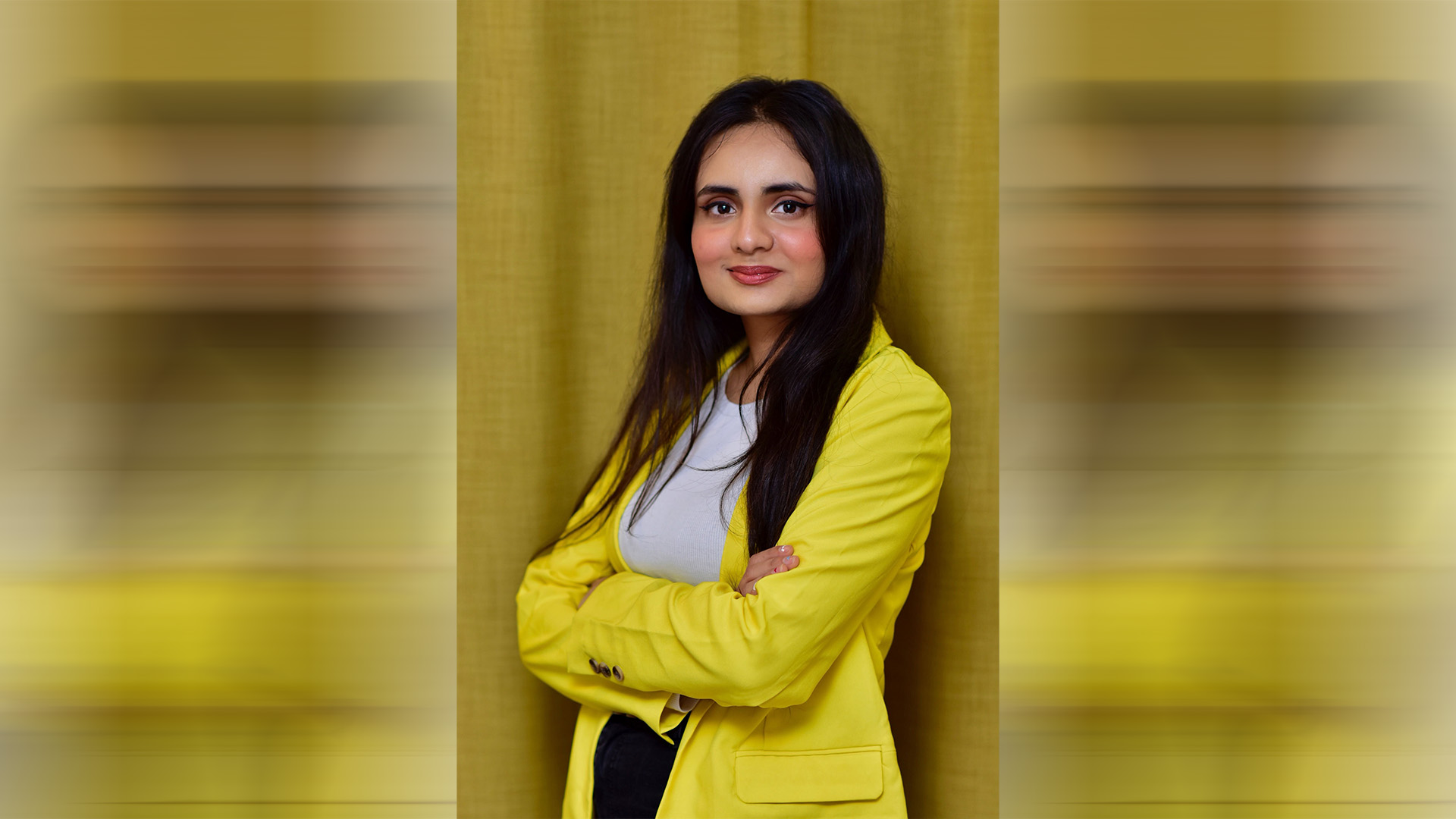
We congratulate PhD Fellow Suaiba Salahuddin, who will start as new Head Engineer at the Climate-Ecological Observatory for Arctic Tundra (COAT)

Researchers at Visual Intelligence have developed AI to predict the risk of getting breast cancer within one to five years. It can help detect more cases of breast cancer earlier.
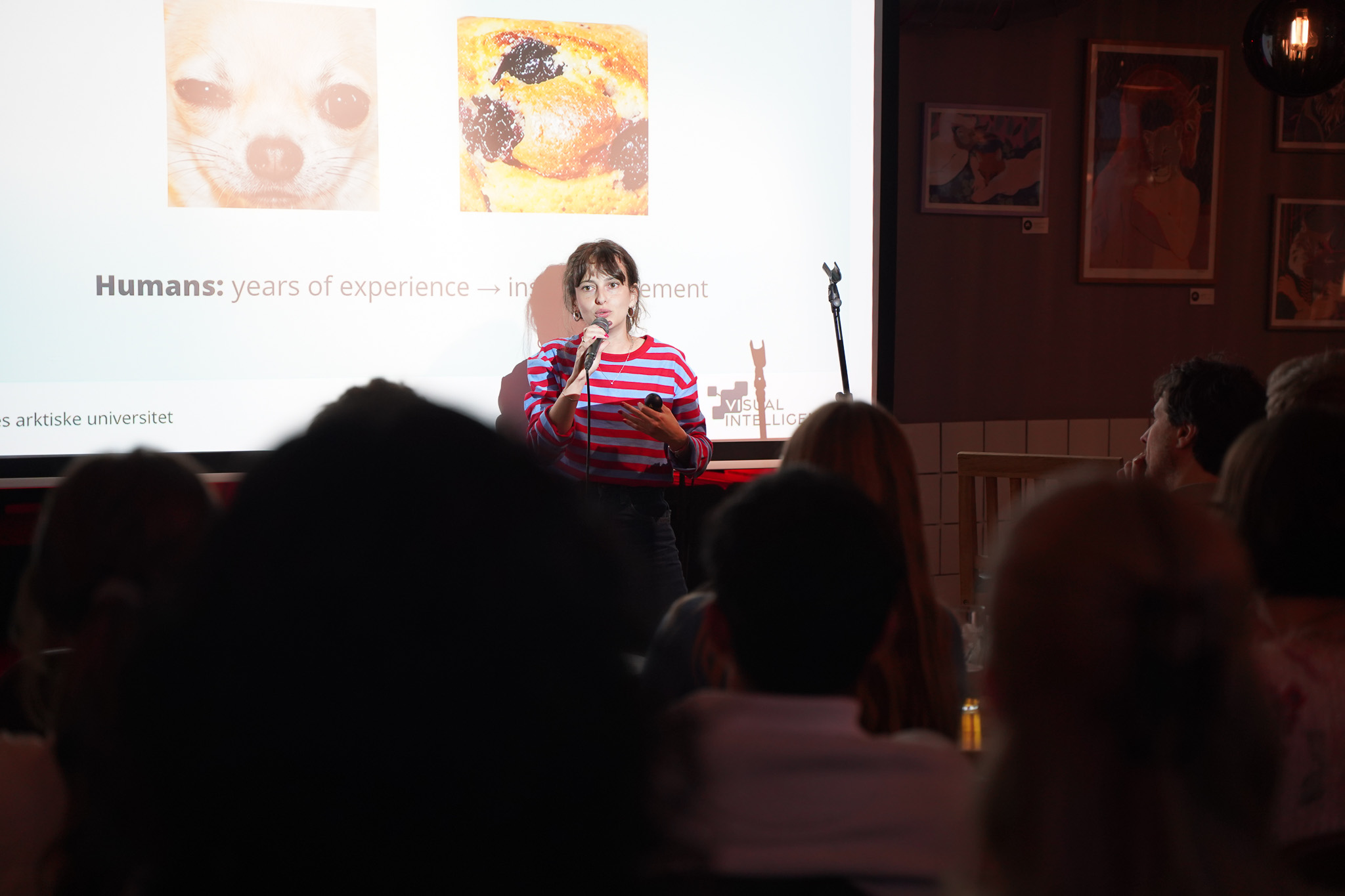
Visual Intelligence researchers contributed with various activities during Forskningsdagene 2026: Norway's annual research festival.
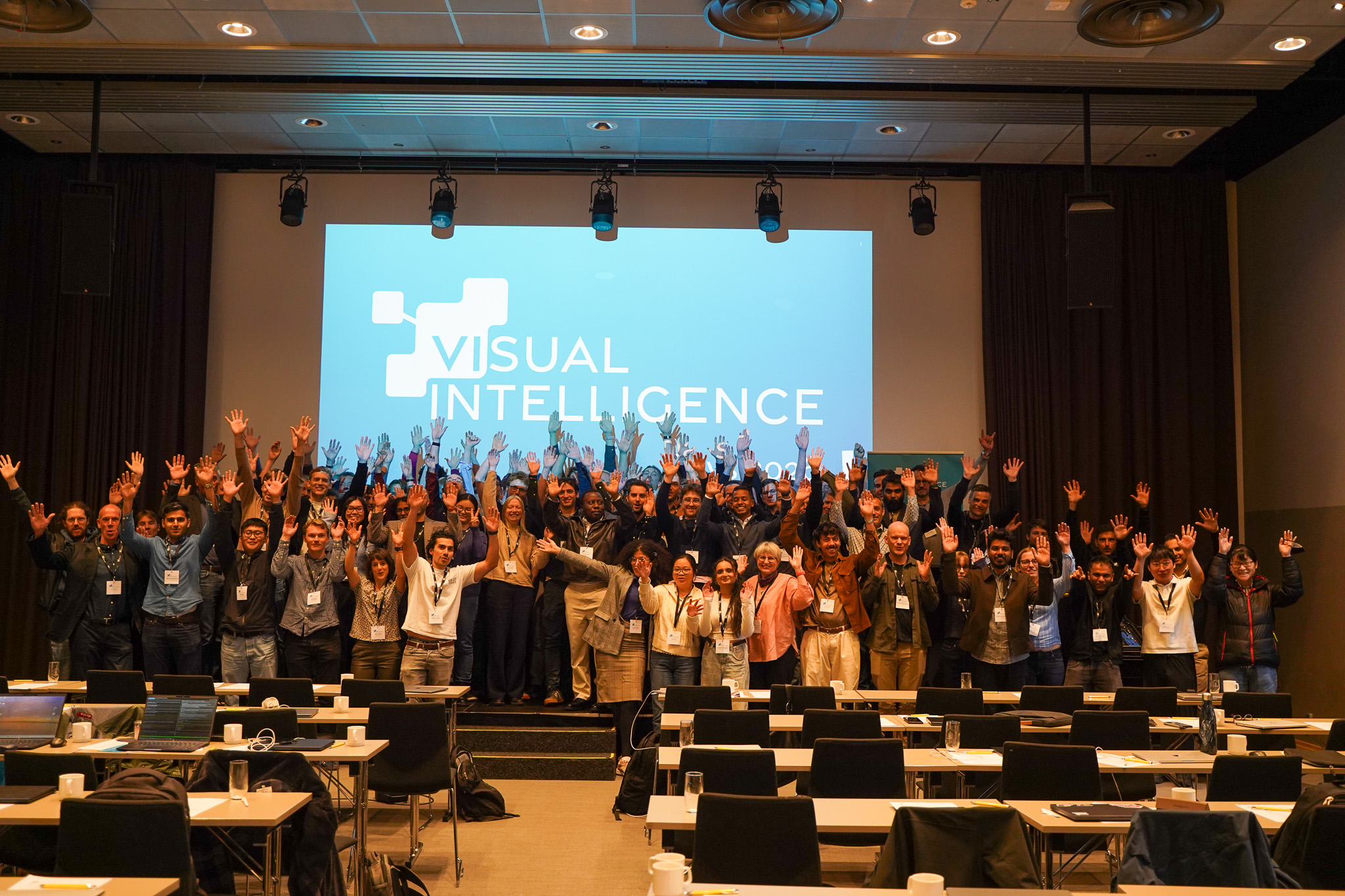
100 researchers, user partners and invited guests gathered in Oslo, Norway for the Visual Intelligence Days: the centre's annual conference for sharing knowledge and updates on the latest research and innovations.
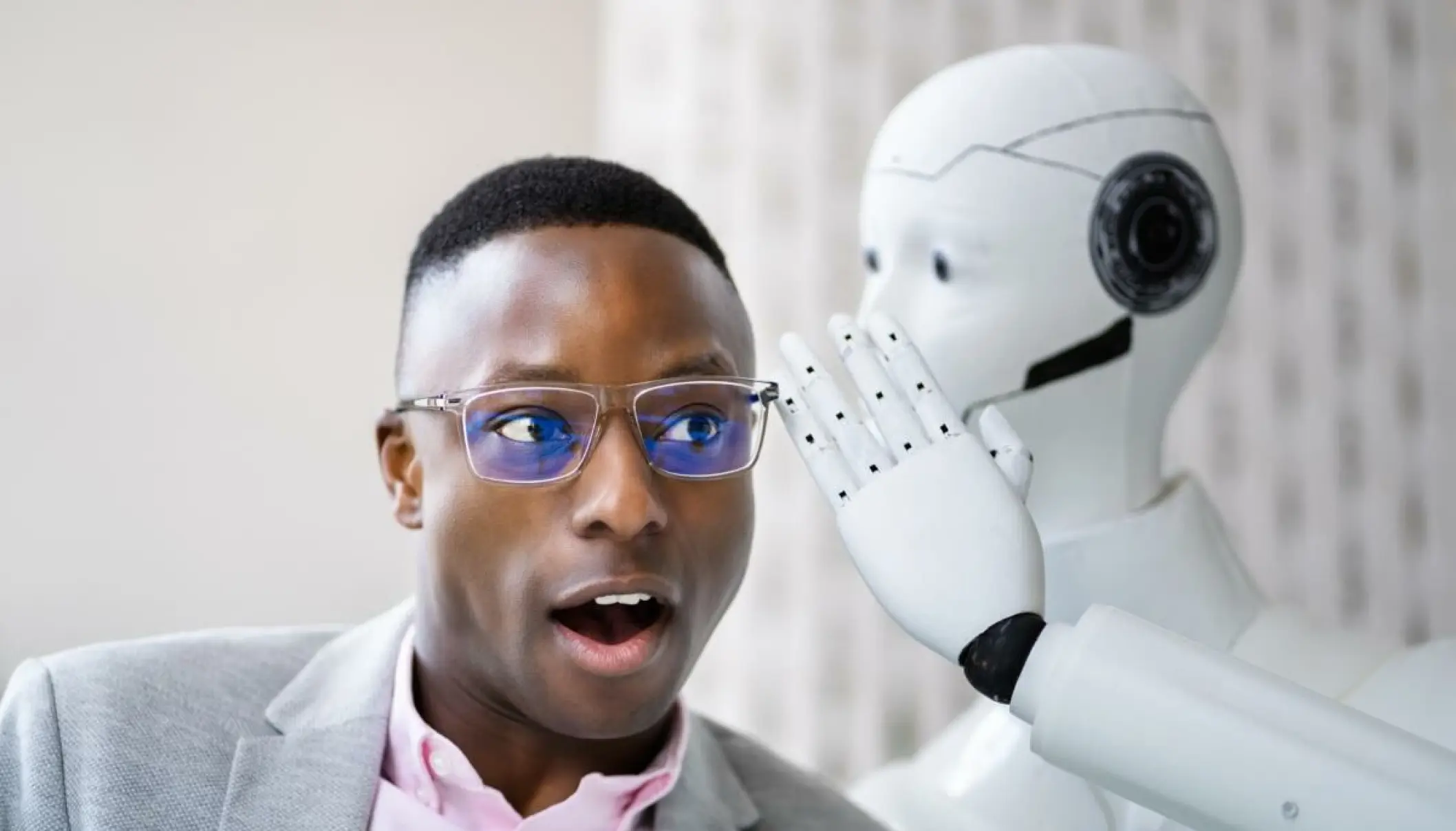
Why should we think twice before using AI as a therapist, romantic partner, or to help out with homework? AI expert Elisabeth Wetzer explains (Popular science article on sciencenorway.no / forskning.no).

Associate Professor Kristoffer Wickstrøm was interviewed by Norsk rikskringkasting (NRK) about the ongoing debate on whether to halt current and future AI development
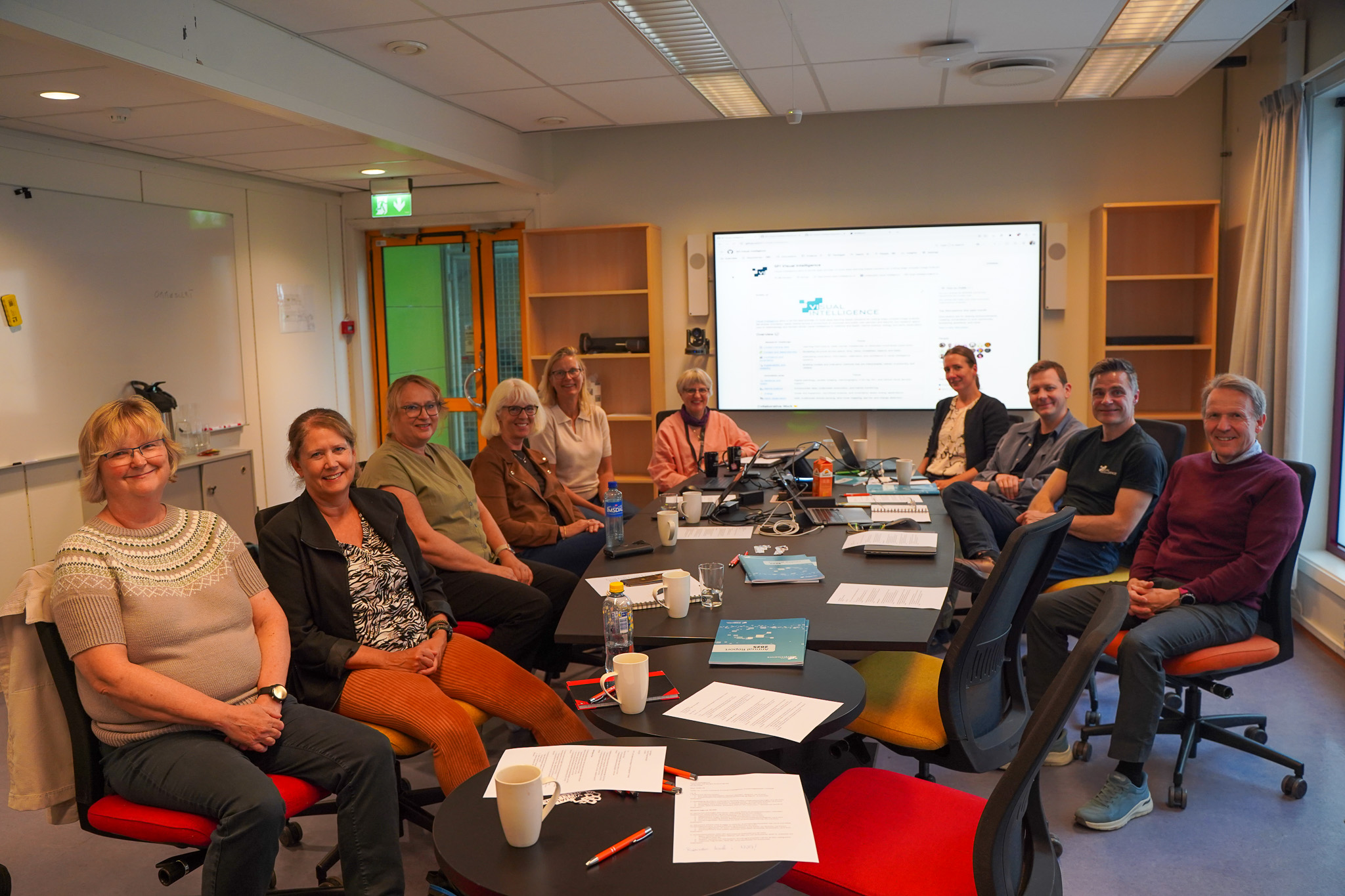
Representatives from the Research Council of Norway came to Visual Intelligence's hub in Tromsø for a site visit meeting.
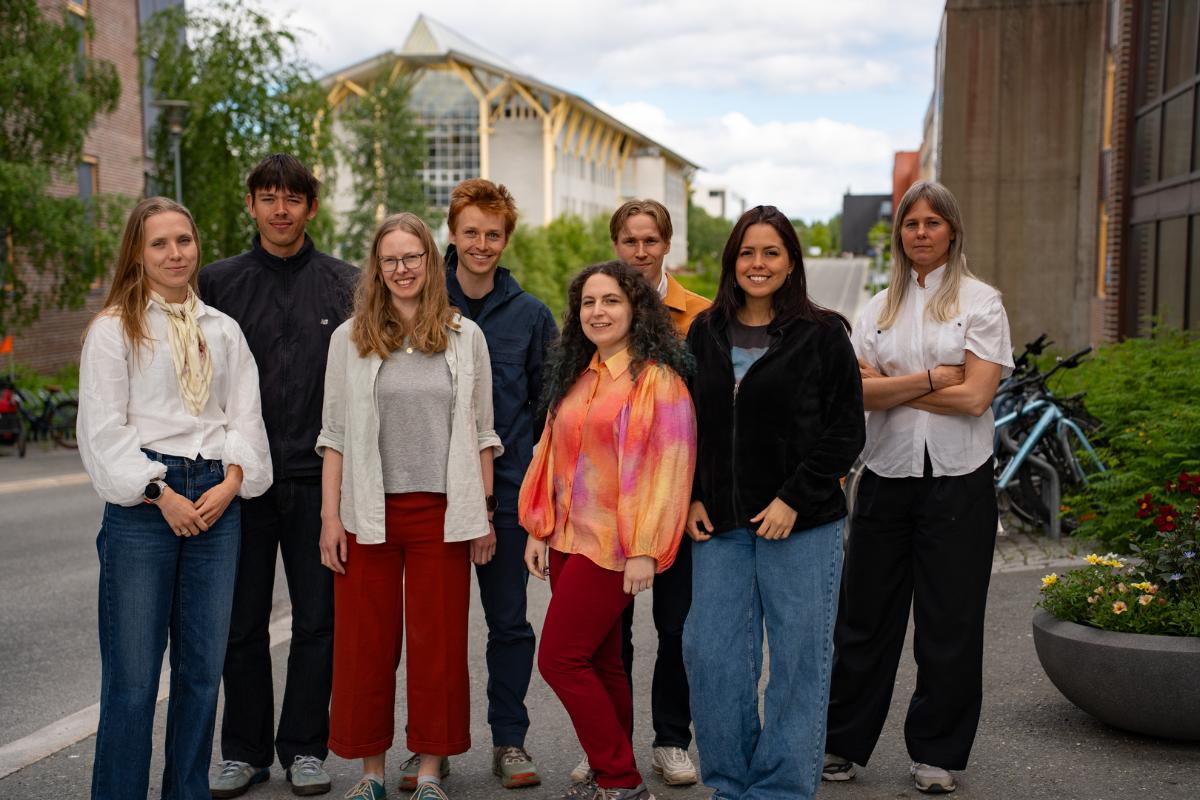
Harald Lykke Joakimsen, a PhD Candidate at Visual Intelligence's hub in Tromsø, will compete in Forsker Grand Prix: Norway's national popular science competition.
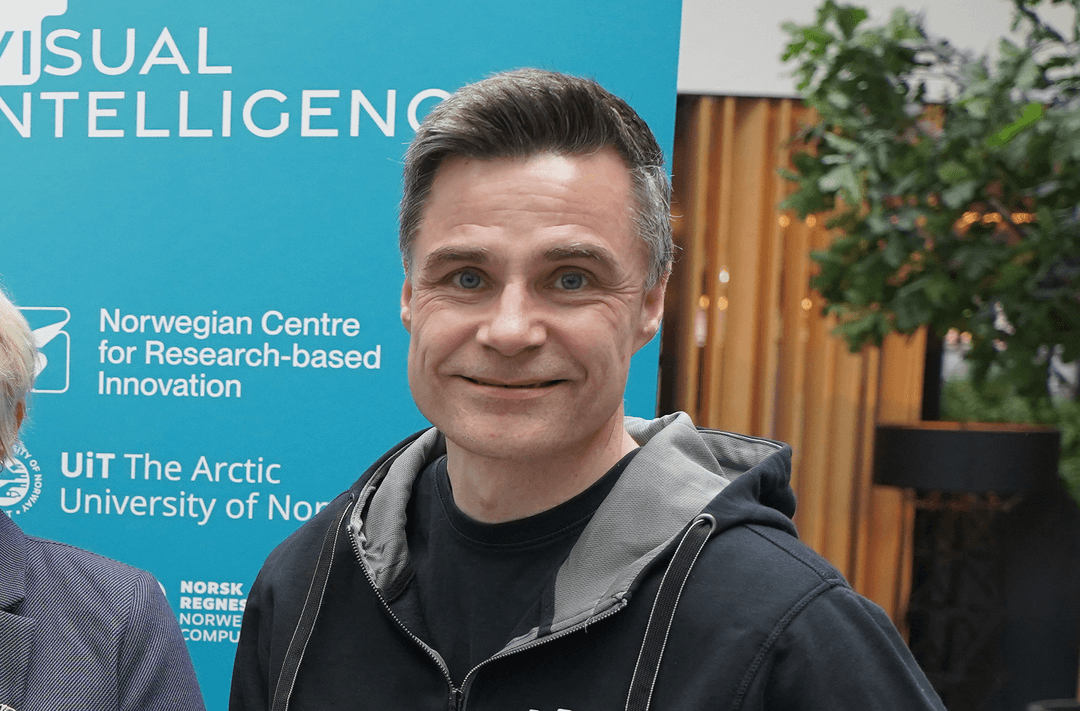
Congratulations to Centre Director Robert Jenssen, who was appointed as a new fellow of the International Associaton for Pattern Recognition (IAPR).
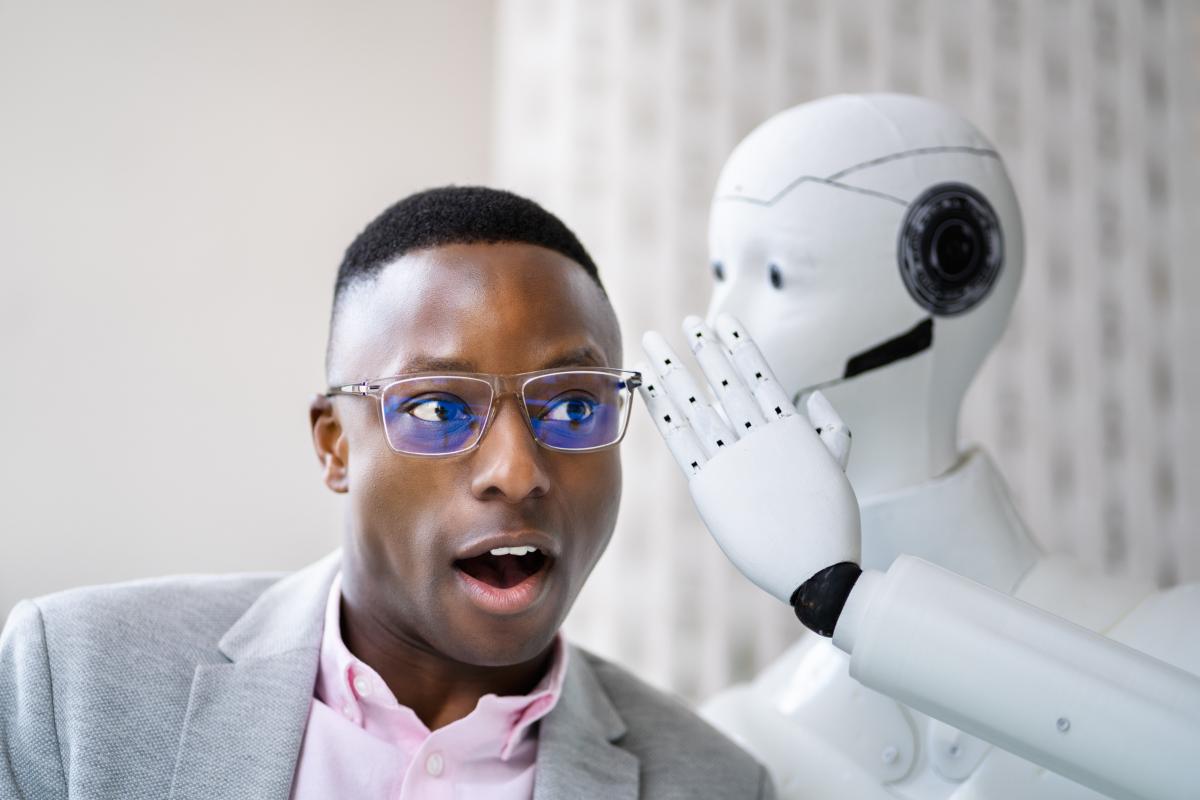
Why should we think twice before using AI as a therapist, romantic partner, or to help with homework? AI expert Elisabeth Wetzer explains.
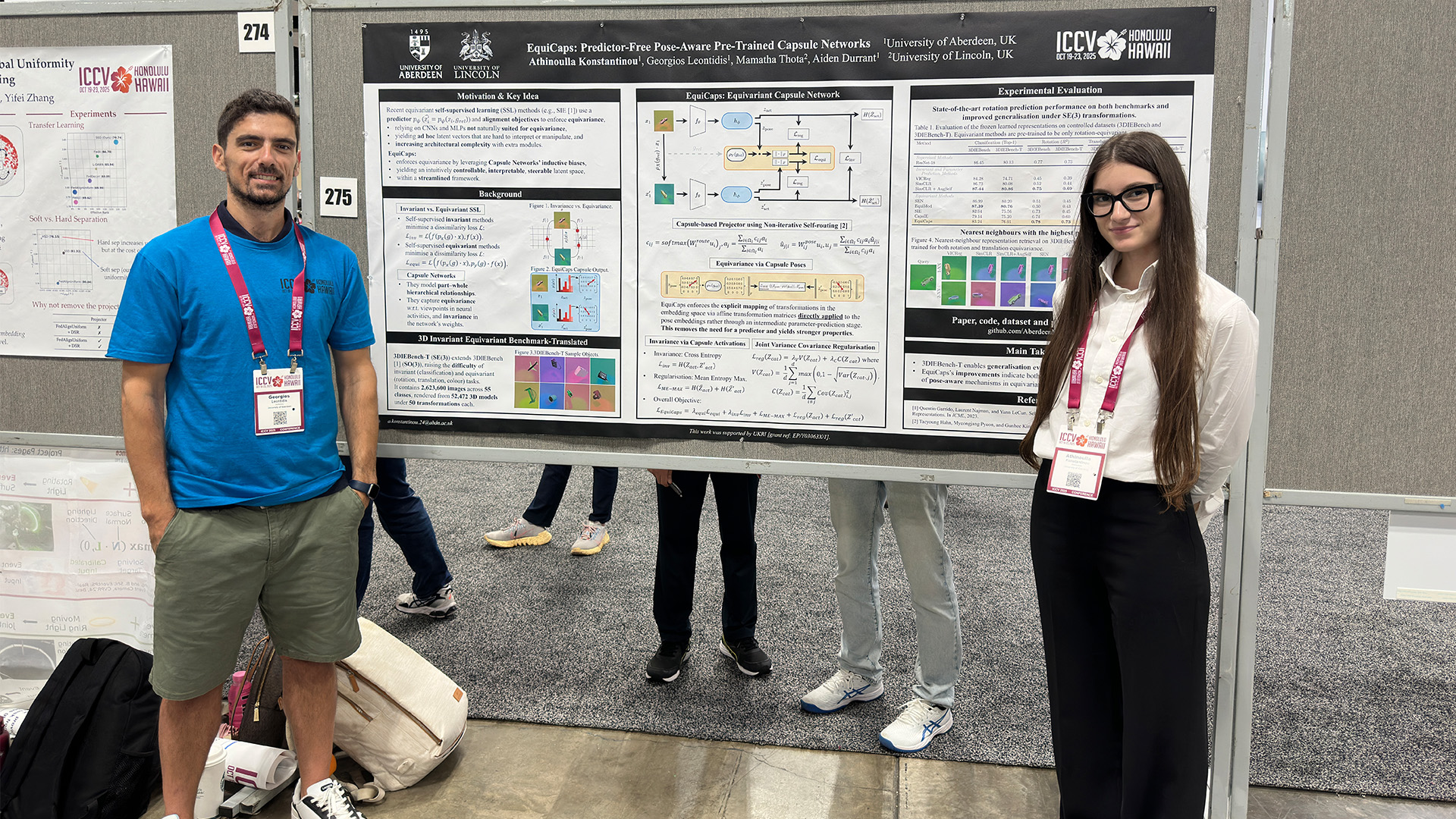
Athinoulla Konstantinou is a PhD student at the University of Aberdeen. She visited Visual Intelligence's hub in Tromsø to work with equivariant modelling.
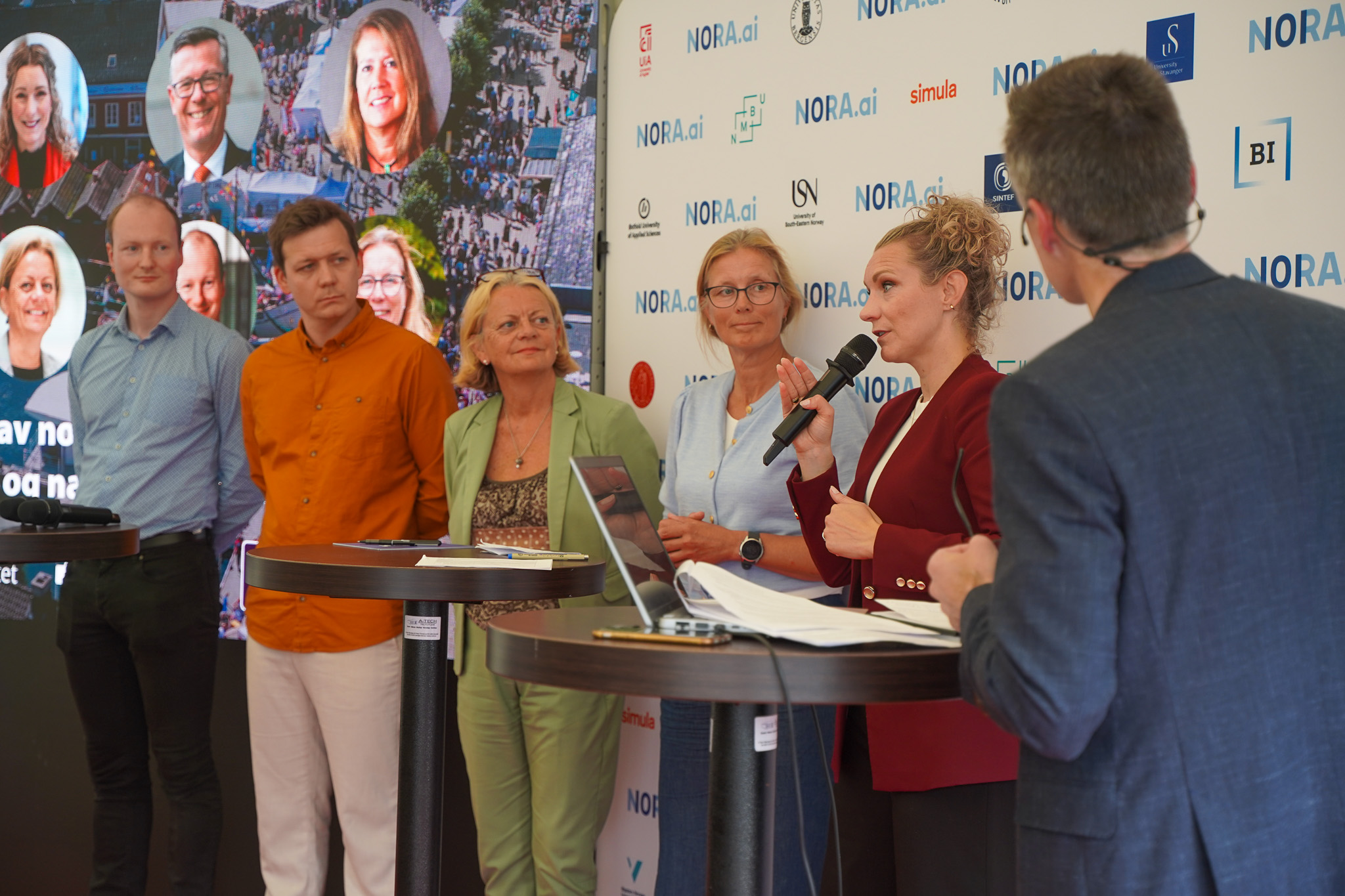
Visual Intelligence gathered experts from Norwegian politics, research council, industry, the public sector, and academia to discuss the value of Norwegian AI competence and Norwegian-developed models.

Visual Intelligence researchers are attending two AI-oriented events at Arendalsuka 2026: Norway's largest annual political festival.
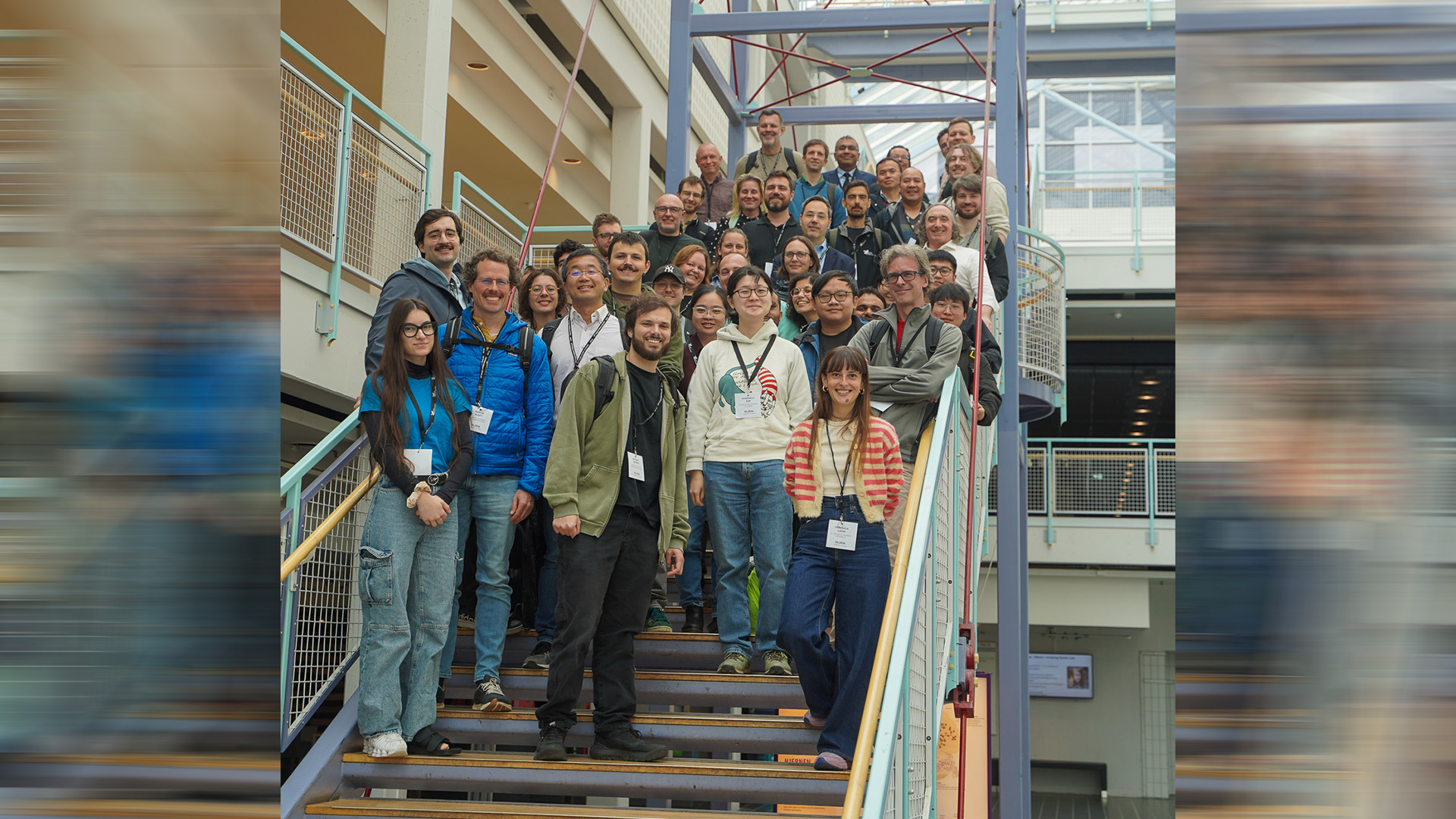
Visual Intelligence hosted over 45 international AI researchers for the DL2026 workshop at UiT The Arctic University of Norway.

Visual Intelligence will be well represented at MICCAI 2026, one of the leading AI conferences on medical imaging and computer assisted intervention, with two accepted research papers.
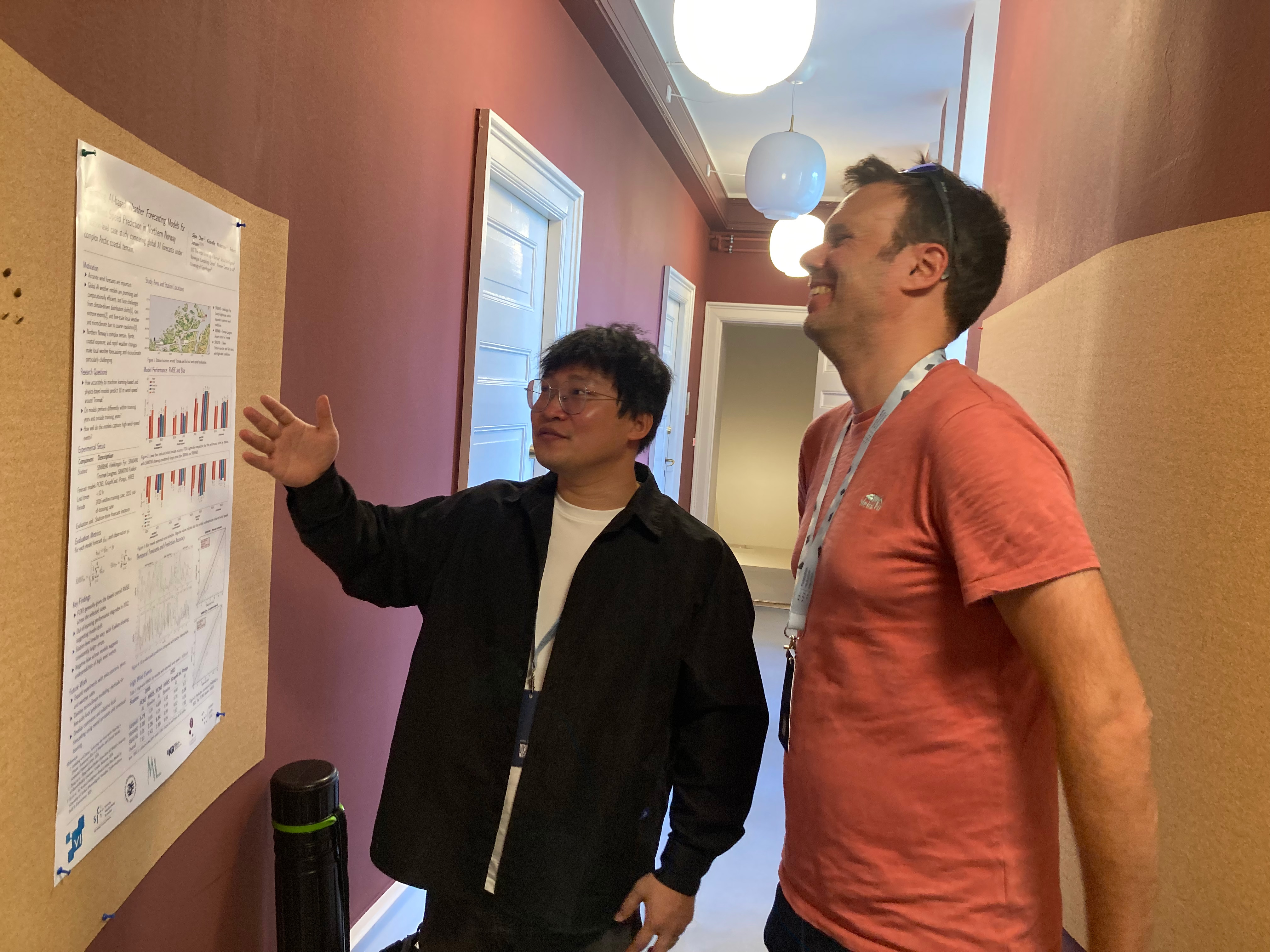
Visual Intelligence co-organized and attended the "Foundations of Arctic AI and Generative Forecasting": an inaugural workshop in the P1 Arctic AI program.