

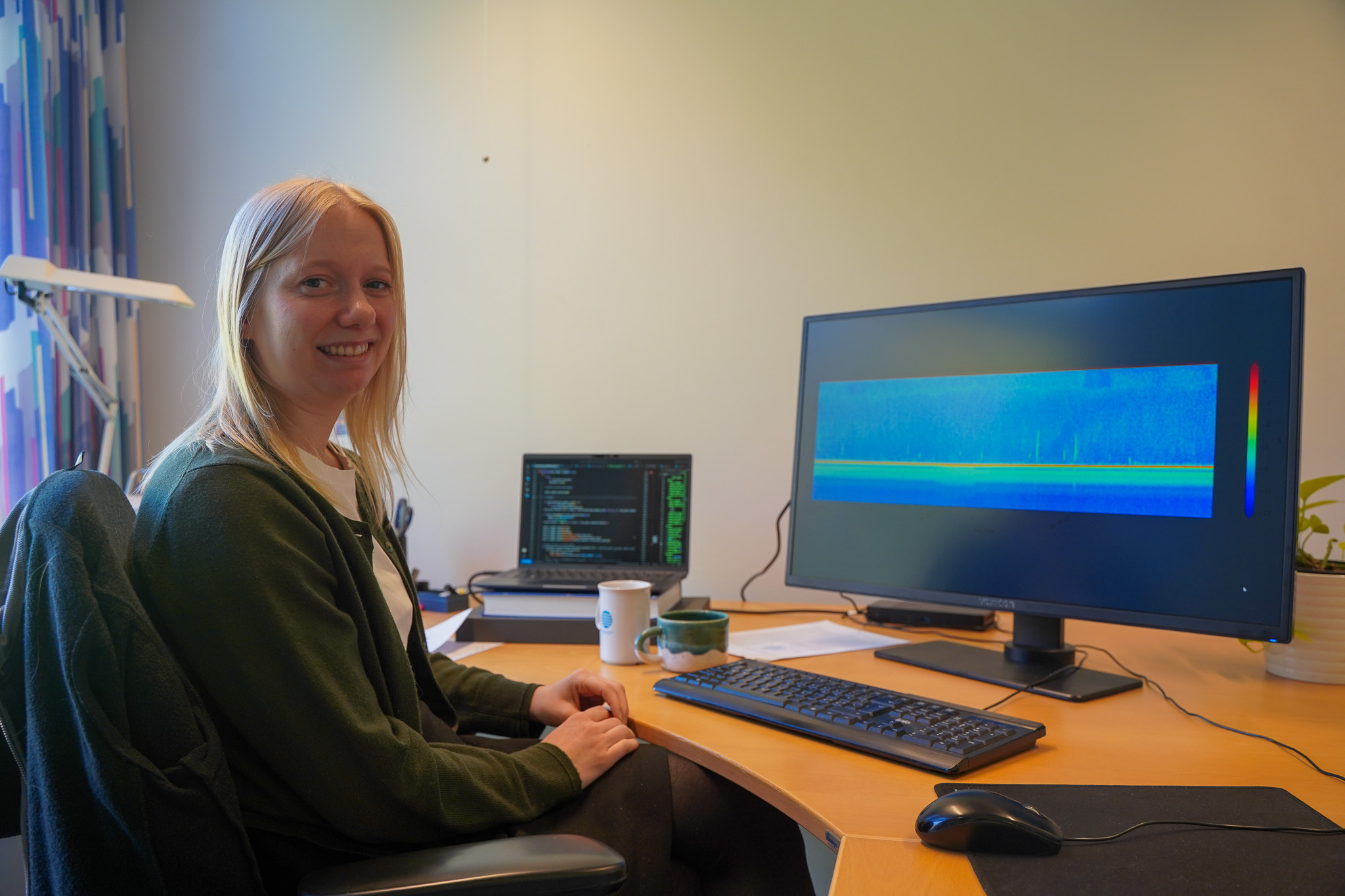
Ingrid Utseth
Visual Intelligence researchers are developing a foundation model to estimate the abundance of various species of fish. The technology could lead to more sustainable fisheries and help maintain more stable fish populations.
Visual Intelligence researchers are developing a foundation model to estimate the abundance of various species of fish. The technology could lead to more sustainable fisheries and help maintain more stable fish populations.
By Petter Bjørklund, Communications Officer at SFI Visual Intelligence
Abundance estimation is crucial for monitoring the marine ecosystem, as well as for maintaining sustainable fisheries. Analyzing marine data, such as echosounder data, is an important process when estimating the abundance of various fish species, like herring, blue whiting or sandeel.
However, analyzing this type of data by hand is a time-consuming task. Annotating the data manually is also labor-intensive.
"The annotations might also differ from expert to expert. This could lead to inconsistencies in how the data is interpreted," says Ingrid Utseth, Research Scientist at SFI Visual Intelligence's hub at the Norwegian Computing Center.
Utseth and her team are developing a foundation model for abundance estimation of fish. The technology could provide many advantages.
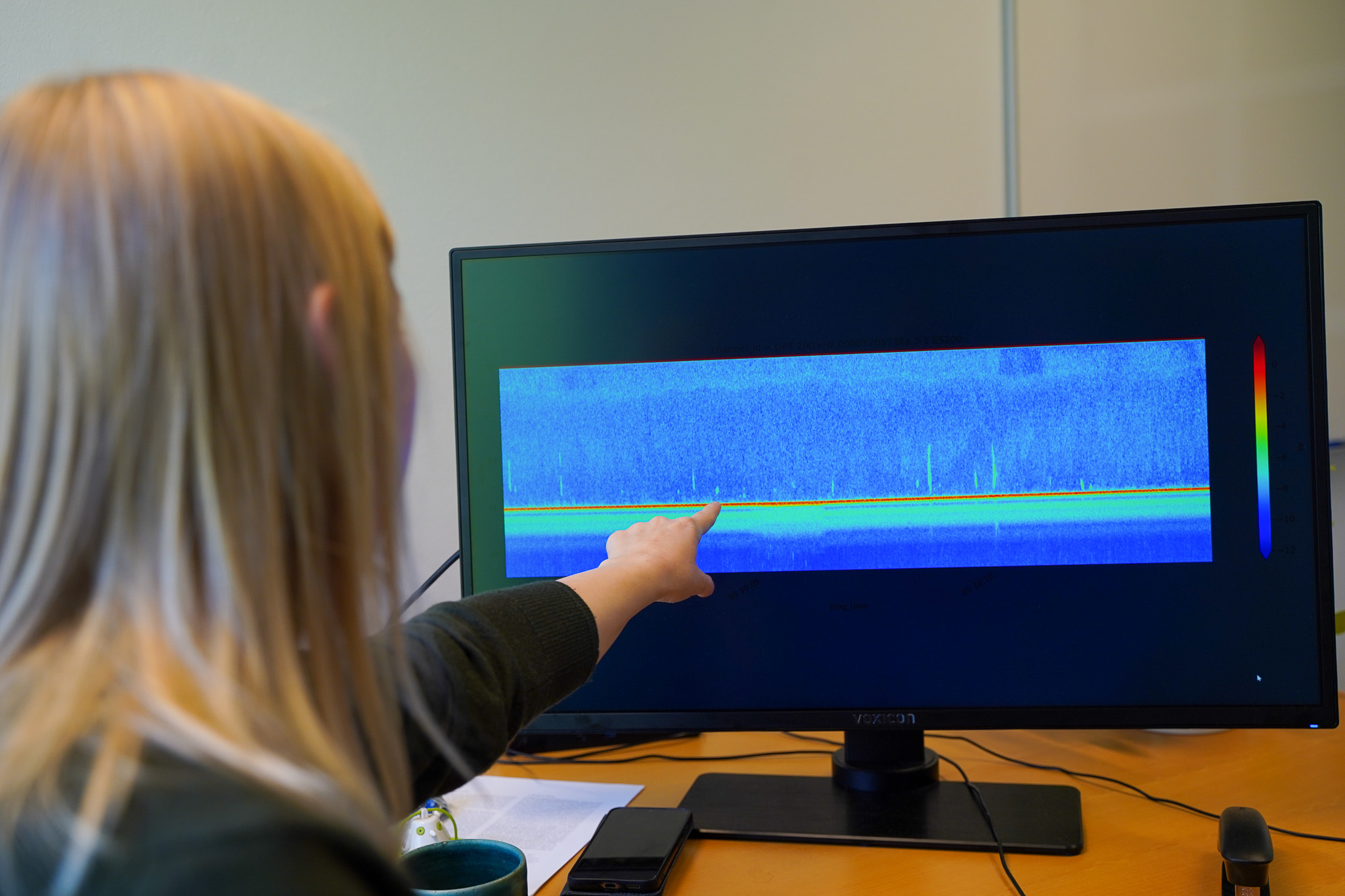
The foundation model is trained on vast amounts of data from echosounders, which send sound pulses into the sea and records echoes from fish and other organisms. Photo: Petter Bjørklund / SFI Visual Intelligence.
Foundation models are AI models that learn general knowledge when trained on large and diverse amounts of data. This makes these types of models applicable to many different tasks.
"In our case, they can be used for both classifying and detecting various species of fish," Utseth explains.
Foundation models can also be adjusted to different types of fish, making them more flexible on vast amounts of different acoustic data.
"This makes it so you do not have to train it from scratch every time you want to find a new type of fish," Utseth adds.
Researchers can use this information to monitor different types of fish species. This is important for several reasons.
"One thing is that it can help fishing authorities set more accurate fish quotas. This could guide and help us maintain more stable fish populations," Utseth says.
The model is trained on echosounder data from 47 different research cruises, totaling over 85 million sound pulses. It uses self-supervised learning, which eliminates the need for manually labelling the training data.
The project is in collaboration with SFI CRIMAC, which aims to improve and automate interpretation of data and images from modern broadband acoustics on vessels and fishing boats.
Utseth believes that the collaboration provides several benefits for Visual Intelligence.
"SFIs usually focus on different things. CRIMAC has a special focus on utilizing acoustic data, and has developed methods for preprocessing historical data," Utseth explains.
“If we didn't have CRIMAC on the team, we wouldn't have had access to this knowledge and data," she says.
The model is being developed in close collaboration with industry partner Institute of Marine Research (IMR). IMR heads SFI CRIMAC. Read more about the work here.
Brautaset, Olav, et al. "Acoustic classification in multifrequency echosounder data using deep convolutional neural networks." ICES Journal of Marine Science 77.4 (2020): 1391-1400.
Ordonez, Alba, et al. "Evaluation of echosounder data preparation strategies for modern machine learning models." Fisheries Research 254 (2022): 106411.
Handegard, Nils Olav, et al. "Integrating and assessing machine learning acoustic target classification models for fish survey estimations." ICES Journal of Marine Science 82.5 (2025): fsaf069.

Norwegian news article on Nordlys.no featuring Sigurd Almli Hanssen, Cheyma Azzouz, Lars Uebbing and Robert Jenssen.
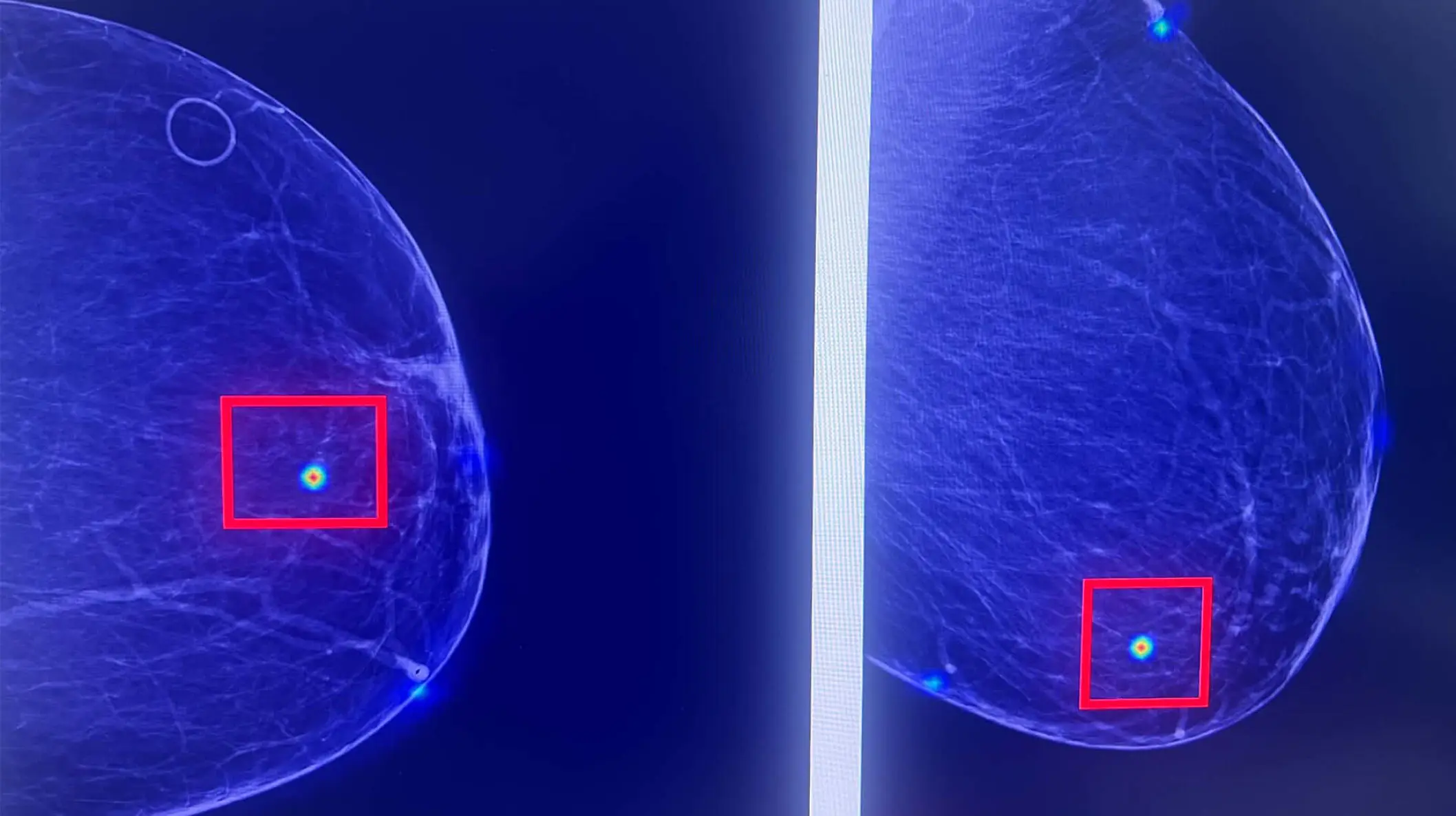
Forskere har utviklet KI til å forutsi risikoen for å få brystkreft innen ett til fem år (Norwegian popular science article on forskning.no).
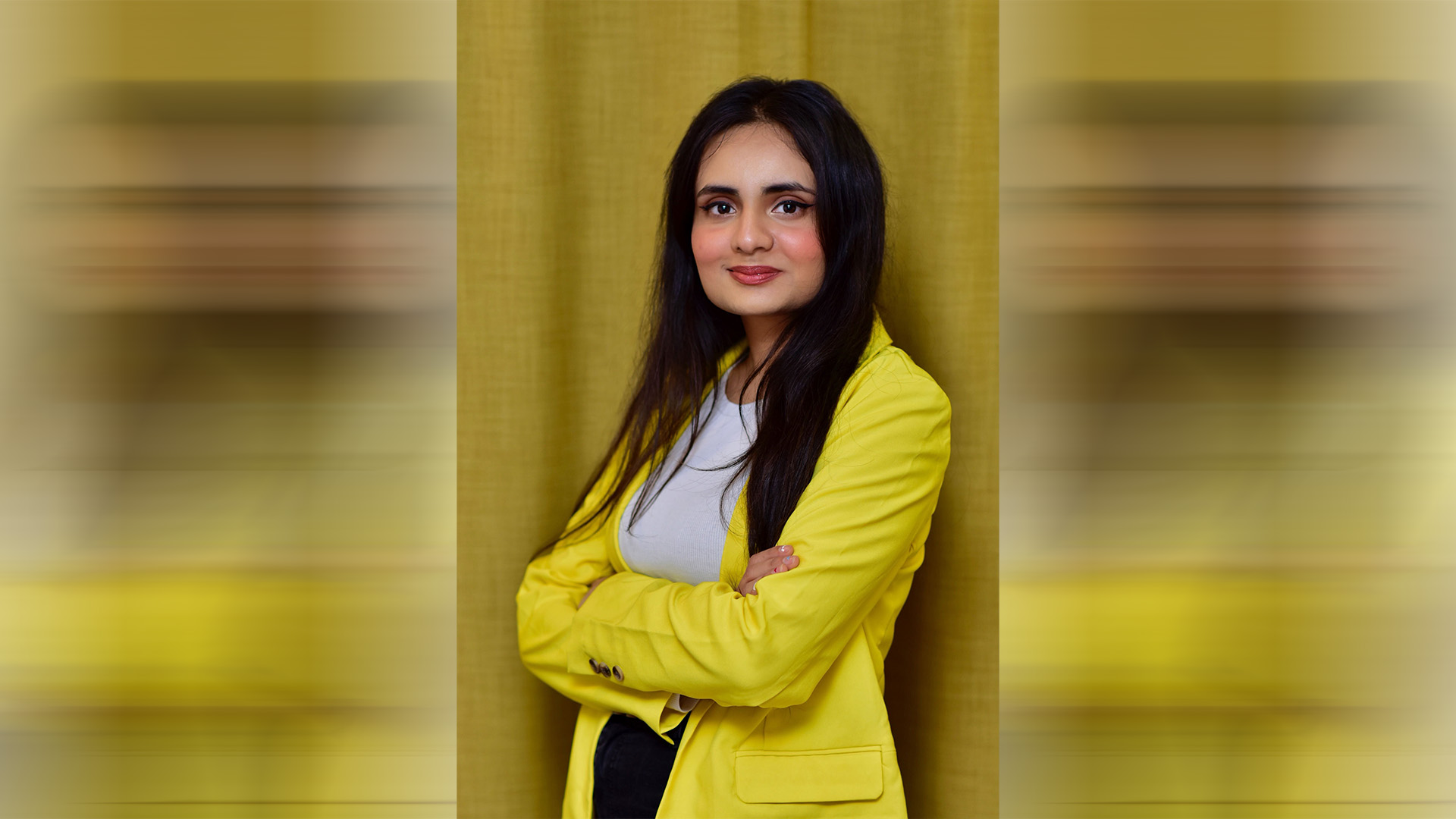
We congratulate PhD Fellow Suaiba Salahuddin, who will start as new Head Engineer at the Climate-Ecological Observatory for Arctic Tundra (COAT)

Researchers at Visual Intelligence have developed AI to predict the risk of getting breast cancer within one to five years. It can help detect more cases of breast cancer earlier.
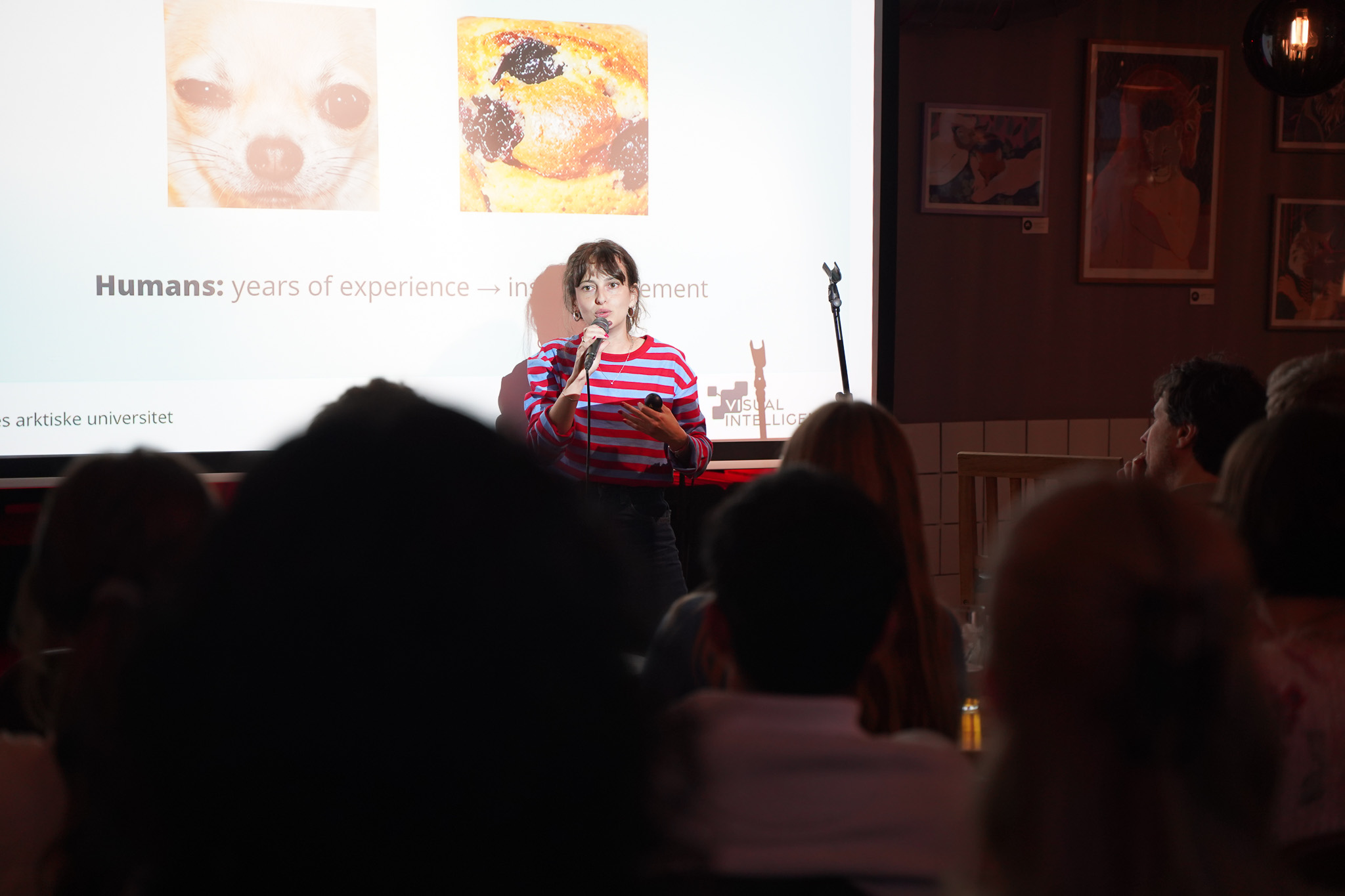
Visual Intelligence researchers contributed with various activities during Forskningsdagene 2026: Norway's annual research festival.
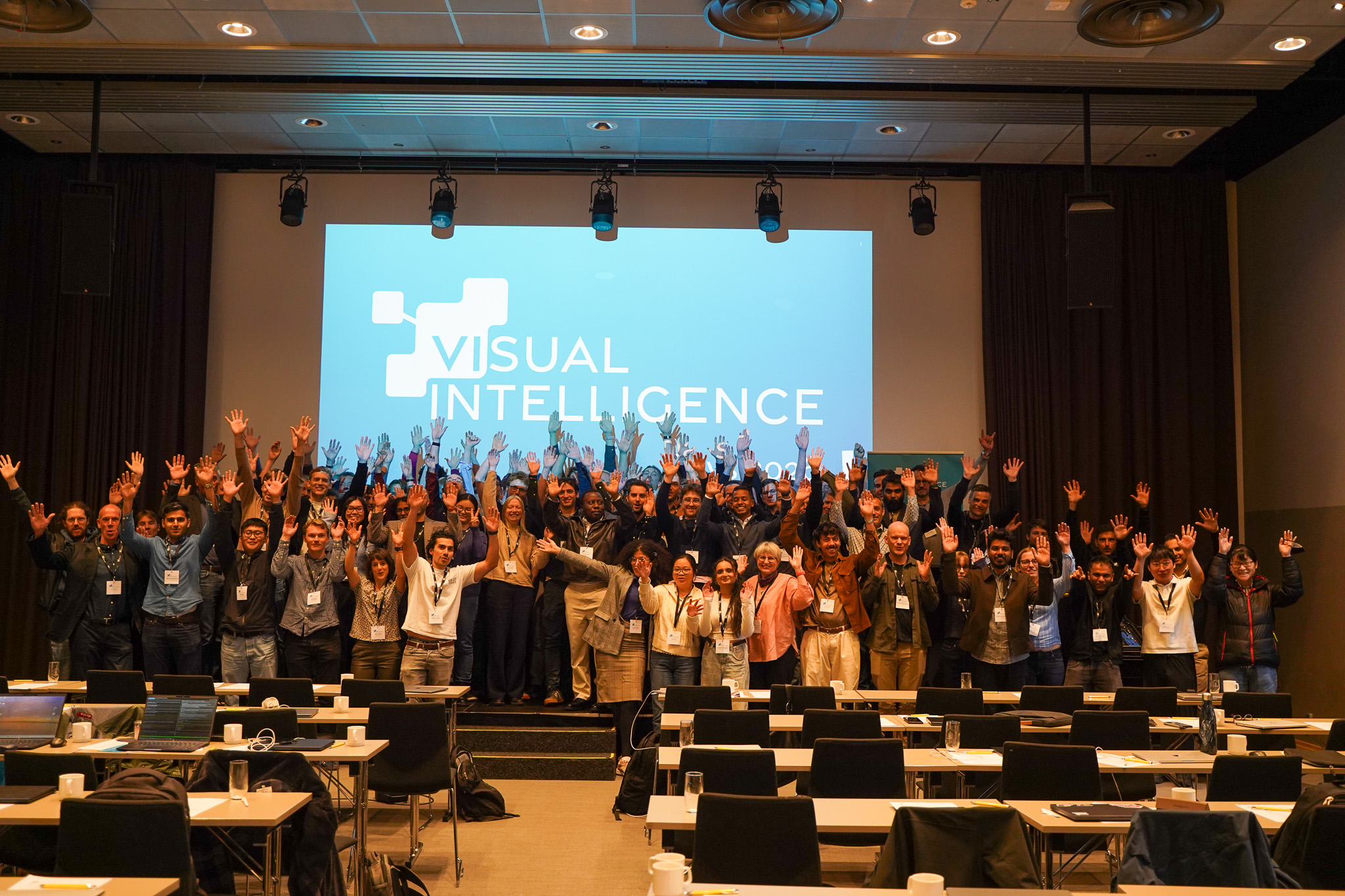
100 researchers, user partners and invited guests gathered in Oslo, Norway for the Visual Intelligence Days: the centre's annual conference for sharing knowledge and updates on the latest research and innovations.
Why should we think twice before using AI as a therapist, romantic partner, or to help out with homework? AI expert Elisabeth Wetzer explains (Popular science article on sciencenorway.no / forskning.no).

Associate Professor Kristoffer Wickstrøm was interviewed by Norsk rikskringkasting (NRK) about the ongoing debate on whether to halt current and future AI development
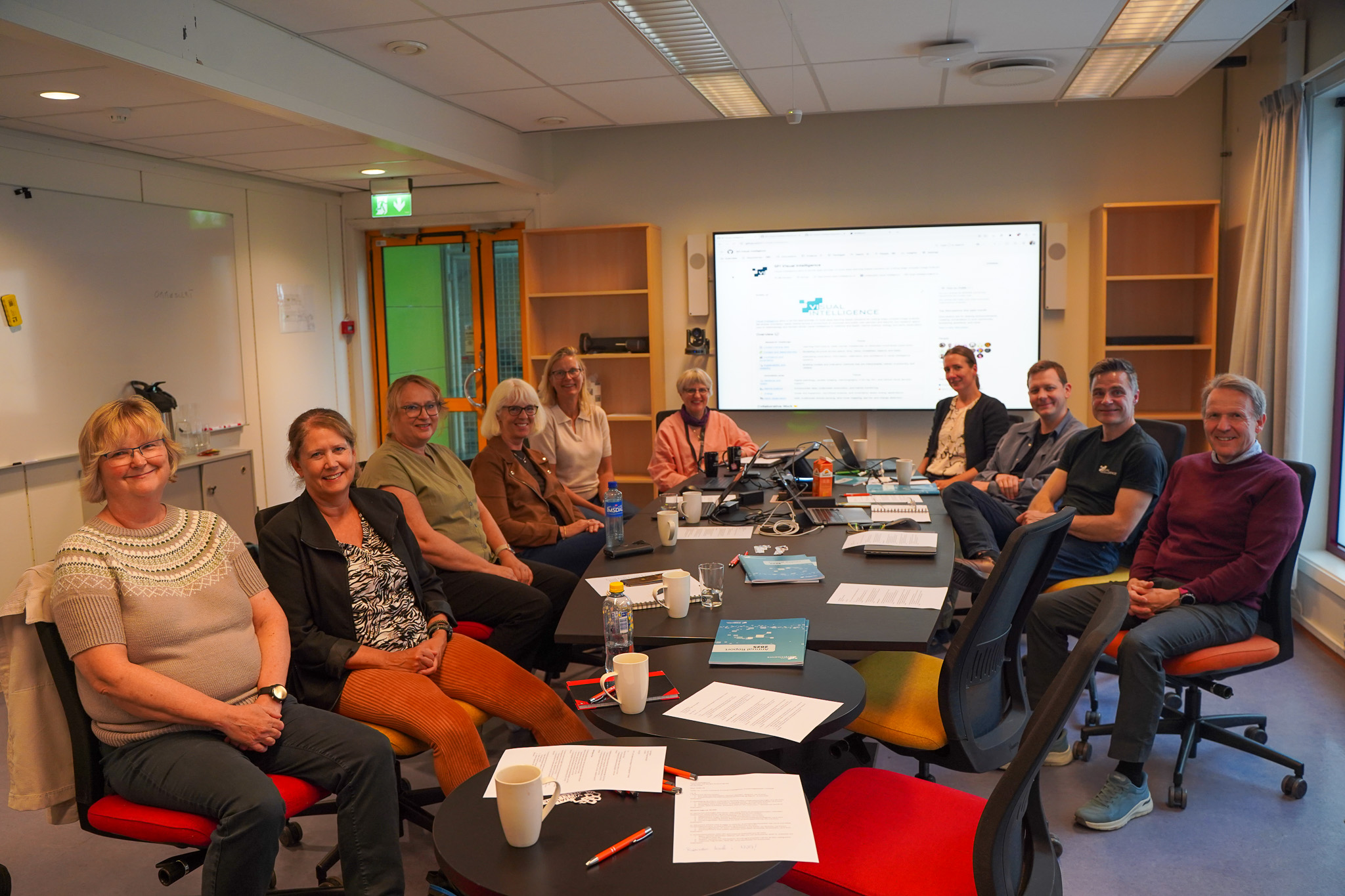
Representatives from the Research Council of Norway came to Visual Intelligence's hub in Tromsø for a site visit meeting.
Harald Lykke Joakimsen, a PhD Candidate at Visual Intelligence's hub in Tromsø, will compete in Forsker Grand Prix: Norway's national popular science competition.
Congratulations to Centre Director Robert Jenssen, who was appointed as a new fellow of the International Associaton for Pattern Recognition (IAPR).
Why should we think twice before using AI as a therapist, romantic partner, or to help with homework? AI expert Elisabeth Wetzer explains.
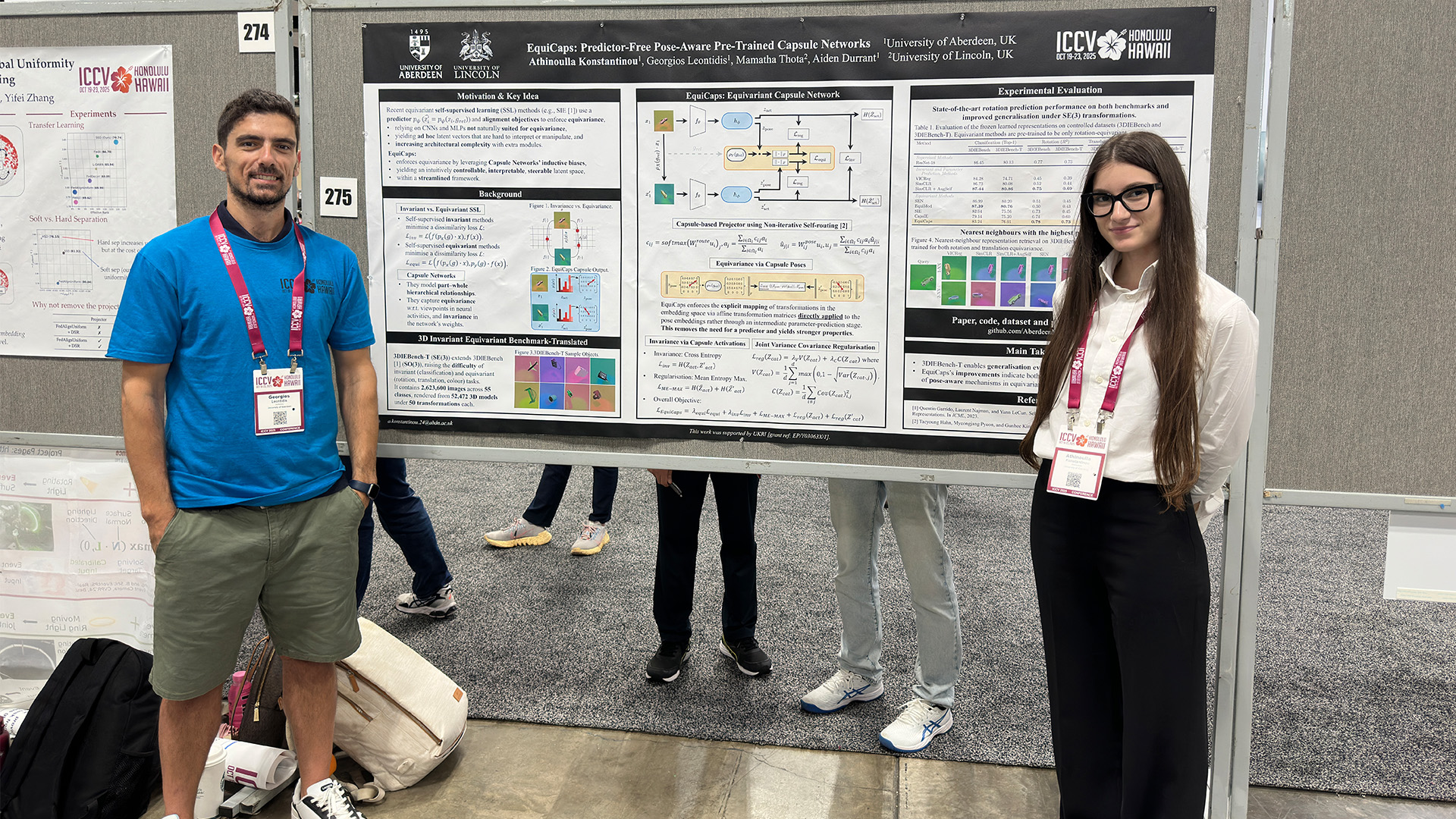
Athinoulla Konstantinou is a PhD student at the University of Aberdeen. She visited Visual Intelligence's hub in Tromsø to work with equivariant modelling.
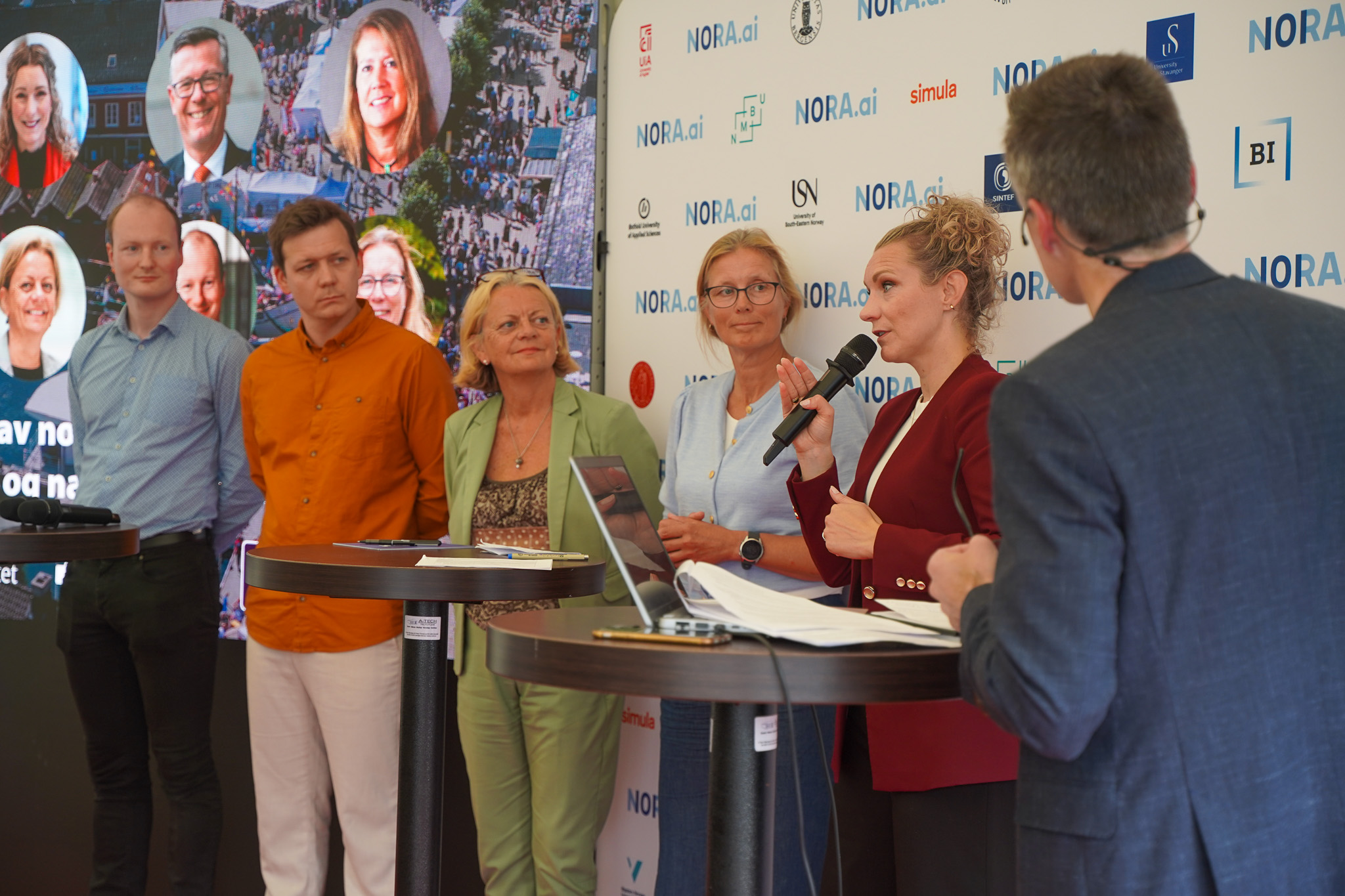
Visual Intelligence gathered experts from Norwegian politics, research council, industry, the public sector, and academia to discuss the value of Norwegian AI competence and Norwegian-developed models.

Visual Intelligence researchers are attending two AI-oriented events at Arendalsuka 2026: Norway's largest annual political festival.
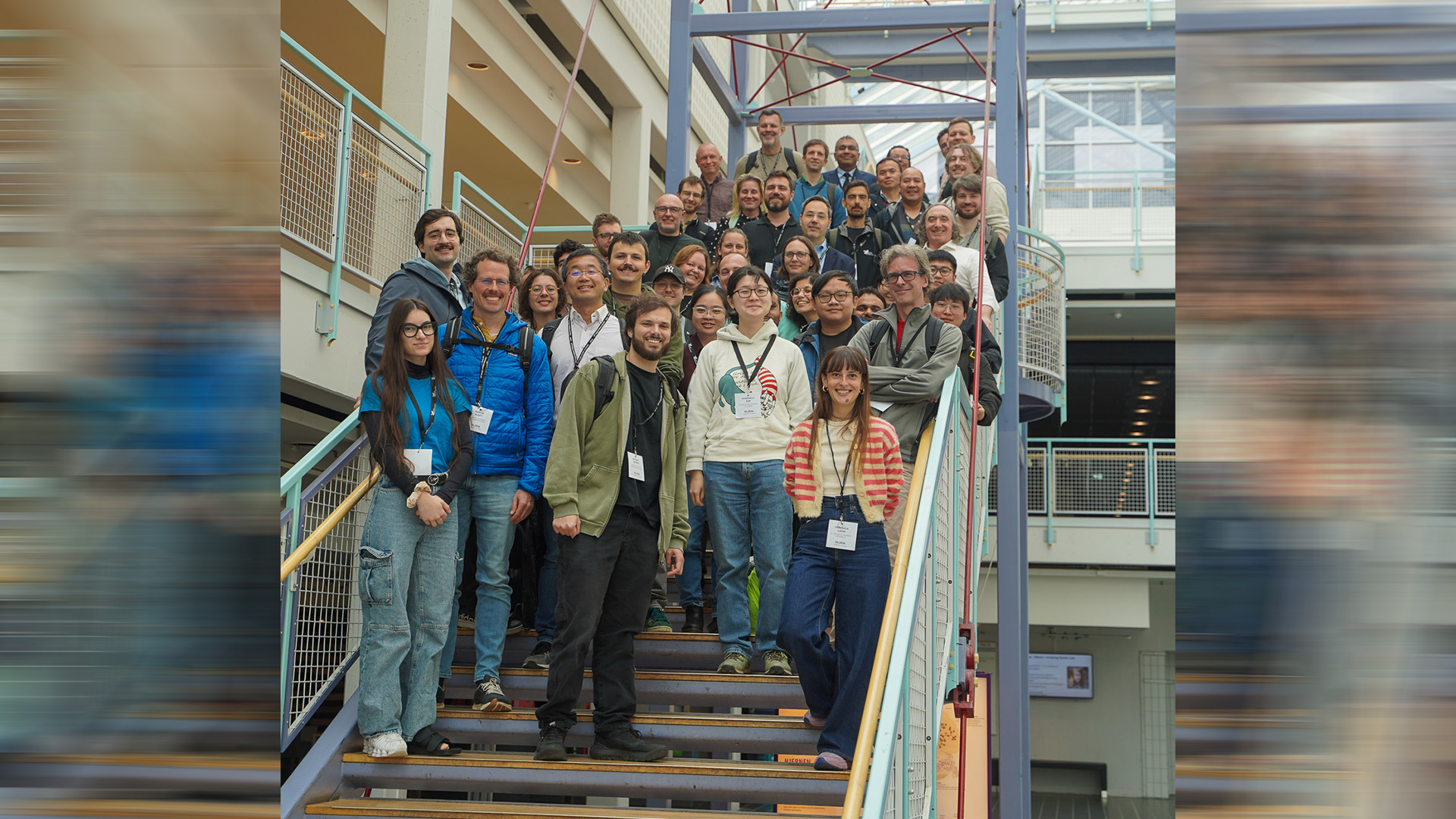
Visual Intelligence hosted over 45 international AI researchers for the DL2026 workshop at UiT The Arctic University of Norway.

Visual Intelligence will be well represented at MICCAI 2026, one of the leading AI conferences on medical imaging and computer assisted intervention, with two accepted research papers.
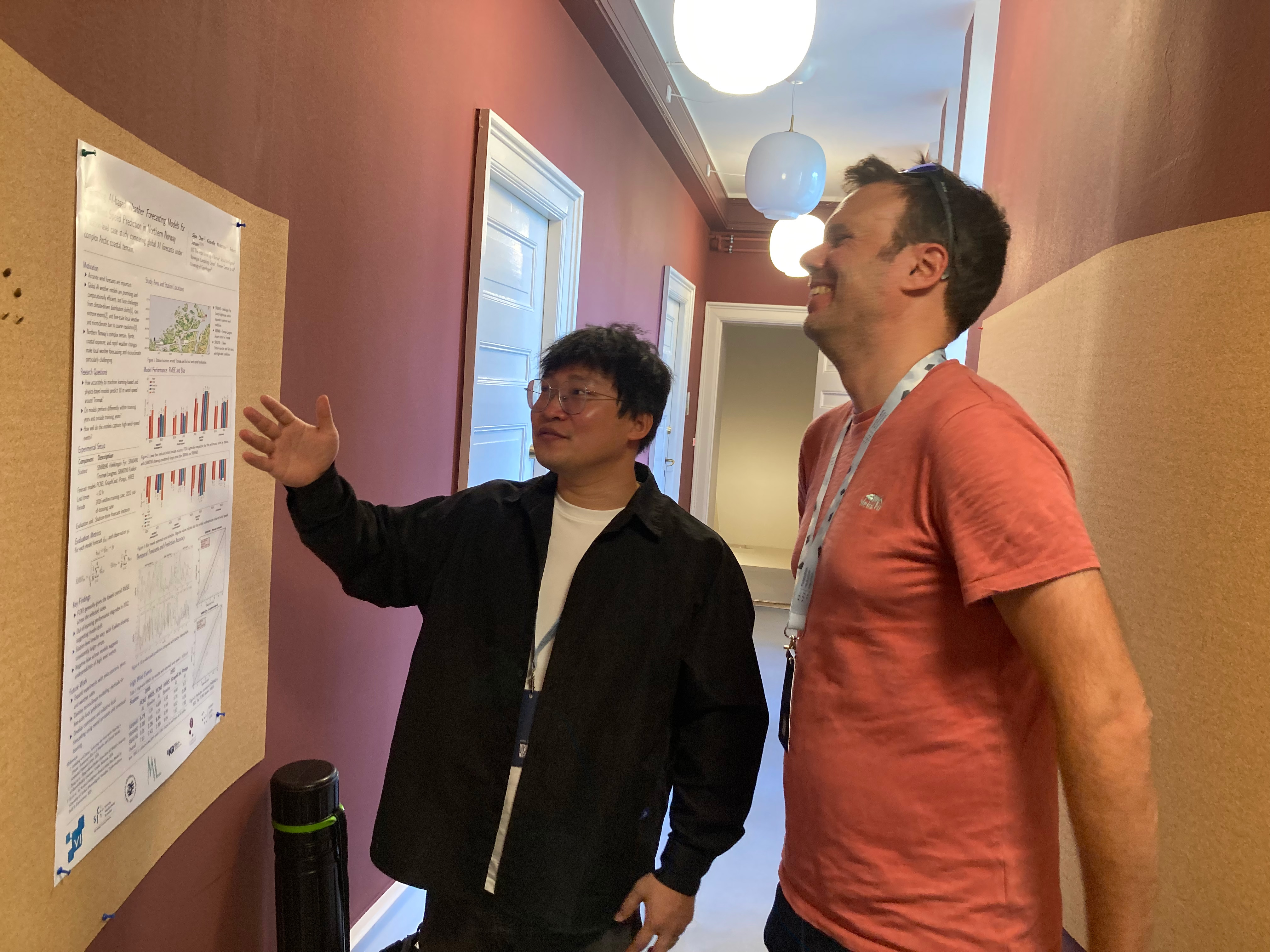
Visual Intelligence co-organized and attended the "Foundations of Arctic AI and Generative Forecasting": an inaugural workshop in the P1 Arctic AI program.
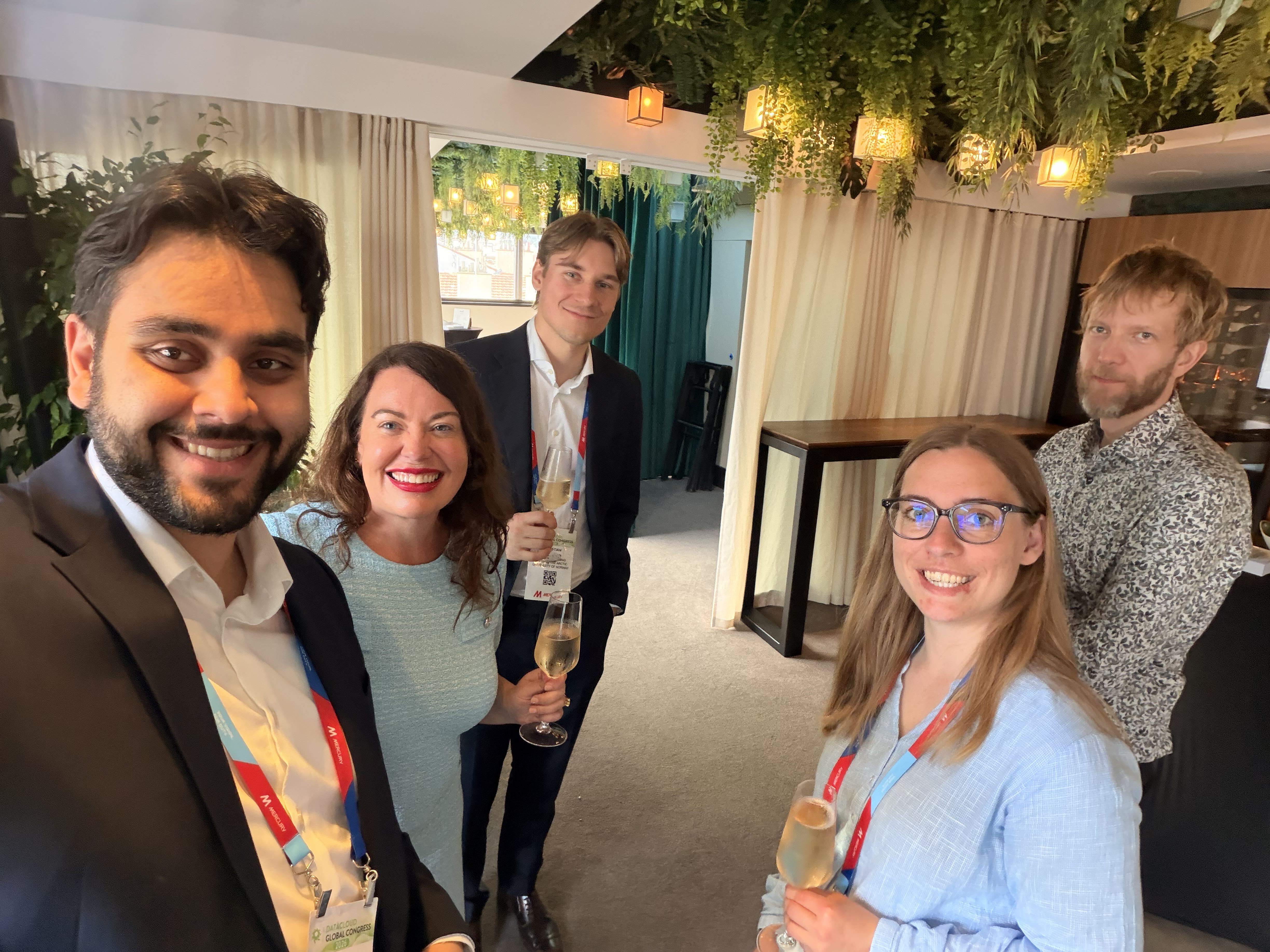
PhD Candidates Solveig Thrun and Christian Salomonsen attended the Datacloud Global Congress' Talent in Tech programme, which invited emerging talent to a unique programme designed to inspire, educate, and connect young professionals with senior leaders from global tech giants.
We warmly welcome Georgios Leontidis as a new Professor at SFI Visual Intelligence's hub at UiT The Arctic University of Norway.