

.jpg)
Around 5000 women in Norway get breast cancer each year. Research from UiT shows how AI can contribute to early diagnosis, more personalized screening and faster treatment.
Researchers at Visual Intelligence have developed AI to predict the risk of getting breast cancer within one to five years. It can help detect more cases of breast cancer earlier.
Researchers at SFI Visual Intelligence have developed AI to predict the risk of getting breast cancer within one to five years. It can help detect more cases of breast cancer earlier.
By Petter Bjørklund, Communications Officer at SFI Visual Intelligence
How likely are you to develop breast cancer later in life?
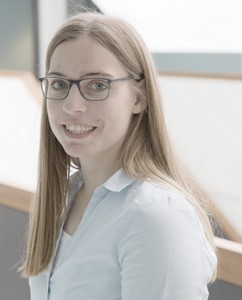
This question may be answered by artificial intelligence (AI) in the future.
This is shown by Solveig Thrun’s research. She is a doctoral researcher at SFI Visual Intelligence, an AI centre at UiT.
She has developed an AI model to measure the risk of getting breast cancer within 1 to 5 years.
Thrun believes it could become a vital tool in the battle against breast cancer.
Every year, around 5000 women in Norway develop breast cancer, which is one the most common types of cancer in and outside of Norway.
Although the cancer is often detected early, it is sometimes diagnosed too late. At worst, it may have spread to other parts of the body, such as the brain, lymph nodes, the lungs, or bones.
The AI model could help doctors detect more cases of breast cancer earlier.
“The earlier the cancer is detected, the faster the patients can get the treatment they need,” says Thrun.
“Then they have a better chance of getting healthy again,” she adds.
The goal is to develop AI which can be used in BreastScreen Norway, which offers all women in Norway aged 50 to 69 the opportunity to undergo mammography: an X-ray examination of the breasts.
Then they are invited to new examinations every other year, regardless of how high or low their risk of getting breast cancer is.
The programme is not very personalized. This can be a disadvantage for women with the highest risk.
“Some women might have a risk of getting cancer within a year after the examination. If they return two years later for their next screening, the cancer may have developed and worsened,” Thrun explains.
With the AI model, the follow-up examinations can be tailored to the patient based on their risk level.
“This could lead to shorter follow-up intervals for women at high risk,” says Thrun.
“The earlier the cancer is detected, the faster the patients can get the treatment they need. Then they have a better chance of getting healthy again.”
The model could also help women at low risk get screened less frequently. This could mean that they do not have to undergo as many examinations.
"If a woman is invited for screening every third year instead of every second year, she is exposed to less X-ray radiation. It is also reassuring to know that you don't have to be screened as often," she says.
The model can analyze the images in just a few seconds. Thrun says this could give doctors more time to help patients.
"This means healthcare professionals can spend more time following up and treating women with the highest risk," she says.
The AI model is trained on thousands of X-ray images of breasts. This way, it knows how the breasts look and what could be potential signs of breast cancer.
It measures the risk by comparing X-ray images from previous examinations with images from the most recent screening.
This allows it to detect how the breast tissue has changed – similarly to how doctors do.
"The AI model knows what to look for. In many ways, it imitates how radiologists work in practice," she says.
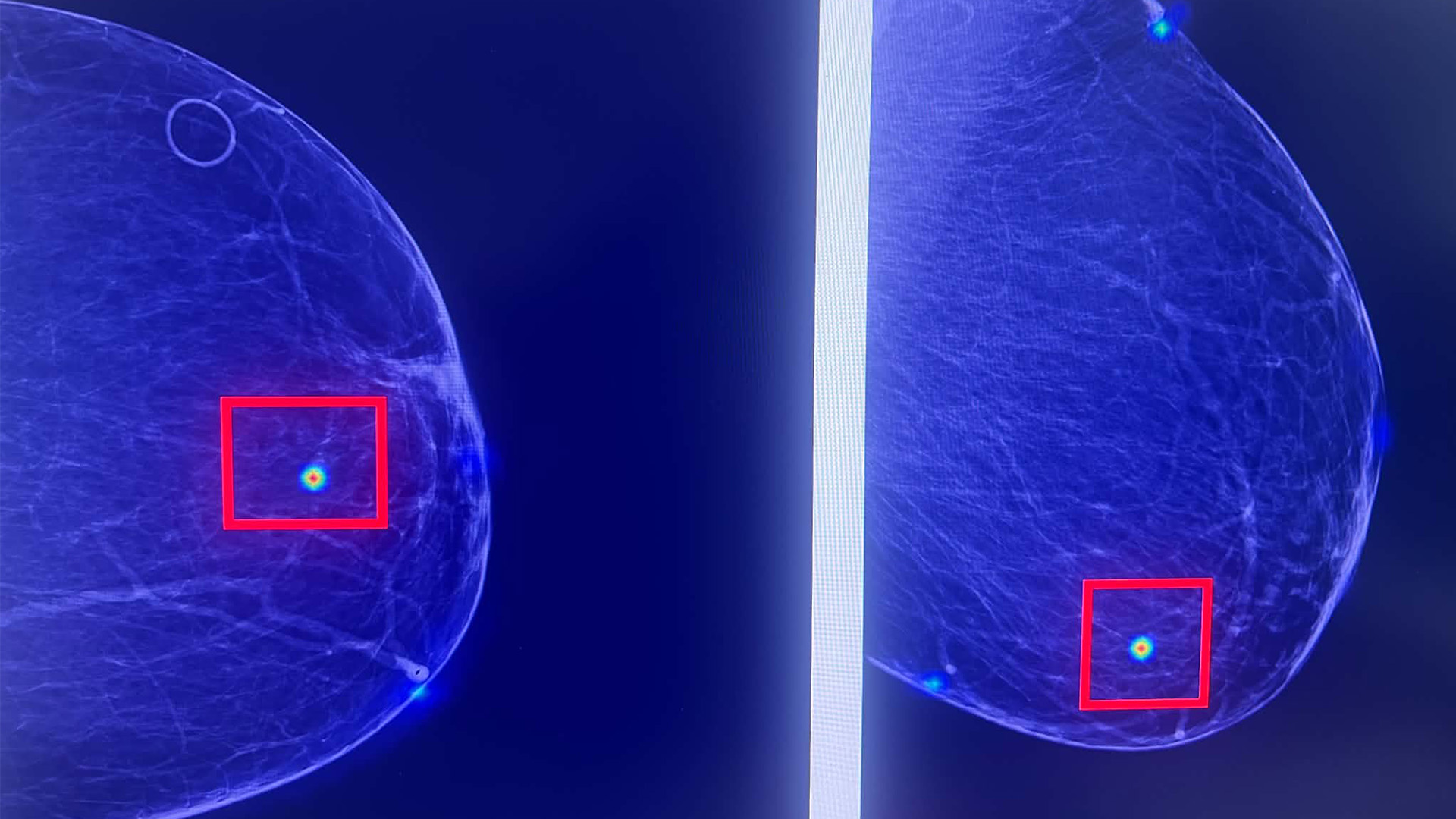
The project is a collaboration with the Cancer Registry of Norway at the Norwegian Institute of Public Health (NIPH), which heads BreastScreen Norway.
Solveig Hofvind, Head of BreastScreen Norway and adjunct professor in radiography at UiT, believes Thrun's research is very promising.
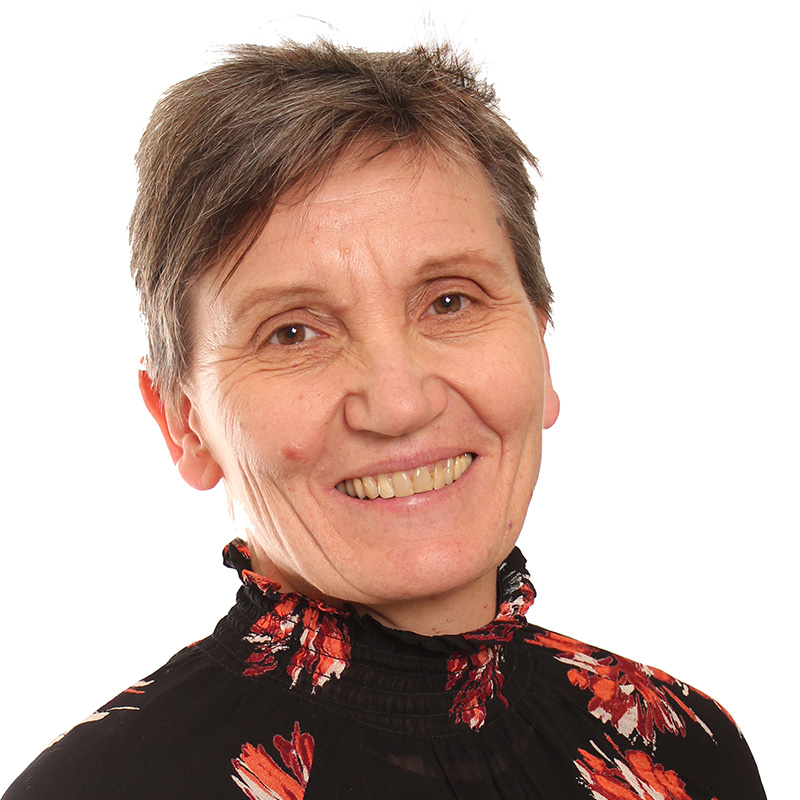
"It will be very exciting to follow this research," says Hofvind.
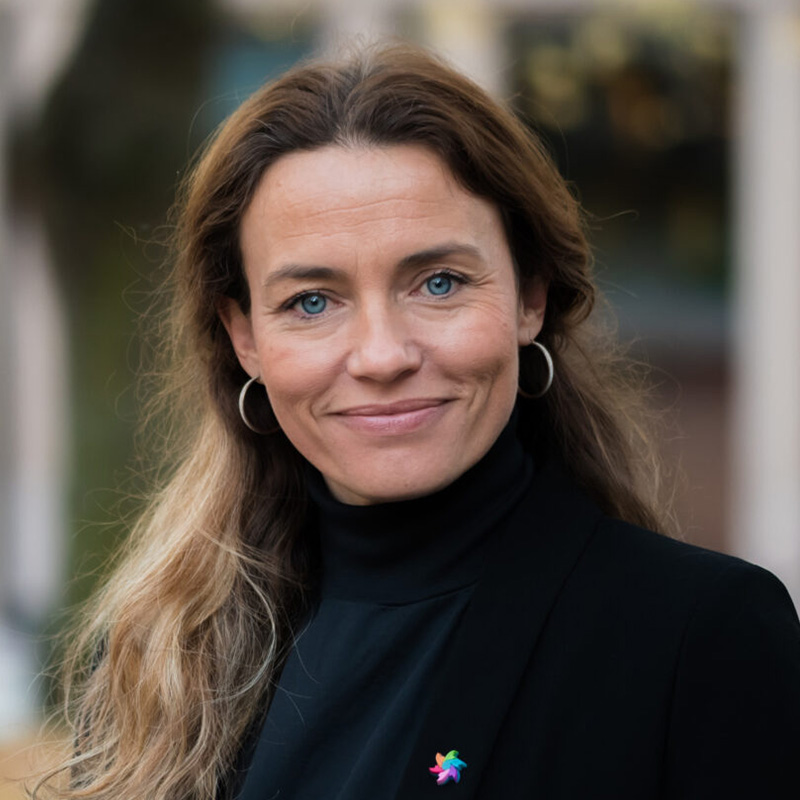
Ingrid Stenstadvold Ross, General Secretary at The Norwegian Cancer Society, believes AI and this type of research will be more meaningful in the future.
"AI will without a doubt be an important tool for diagnosing cancer," says Stenstadvold Ross.
Hofvind and Stenstadvold Ross emphasize that there is still a long way to go before these models can be put into use.
This is to ensure that they are properly tested and fulfill strict health, environment, and safety requirements.
"We need to be absolutely sure that AI models provide women with a service that is at least as good as, or better than, what is currently offered. They must also be CE-marked before they can be used in BreastScreen Norway," Hofvind explains.
"The technology is developing rapidly. There is a significant need for thorough testing before implementation and continuous evaluation after AI models are put into use," says Stenstadvold Ross.
Many people are worried that AI will take over doctors' jobs. Could Thrun's model eventually replace healthcare professionals?
Not at all, says the researcher.
"The point of the model is to help doctors. Just like humans, AI can also make mistakes," says Thrun.
"There will always be a need for doctors who can examine and assess the X-ray images", she says.
"AI is meant to be a tool that makes breast cancer screening better and safer, not a shortcut that goes on the expense of its quality," says Ingrid Stenstadvold Ross.
Thrun's research is published as an article for the research conference MICCAI 2026.
"The point of the model is to help doctors. Like humans, AI can also make mistakes. There will always be a need for doctors who can examine and assess the X-ray images."
Sources:
Solveig Thrun, et.al: Reconsidering Explicit Longitudinal Mammography Alignment for Enhanced Breast Cancer Risk Prediction. 28th International Conference on Medical Image Computing and Computer-Assisted Intervention (MICCAI 2025), 2025.
Solveig Thrun, et.al: Longitudinal Multi-View Breast Cancer Risk Prediction. 29th International Conference on Medical Image Computing and Computer-Assisted Intervention (MICCAI 2026), 2026.
Zijun Sun, et.al: From Exams to Trajectories: Neural Controlled Differential Equations for Longitudinal Mammography Vision-Language Pretraining. 29th International Conference on Medical Image Computing and Computer-Assisted Intervention (MICCAI 2026), 2026.
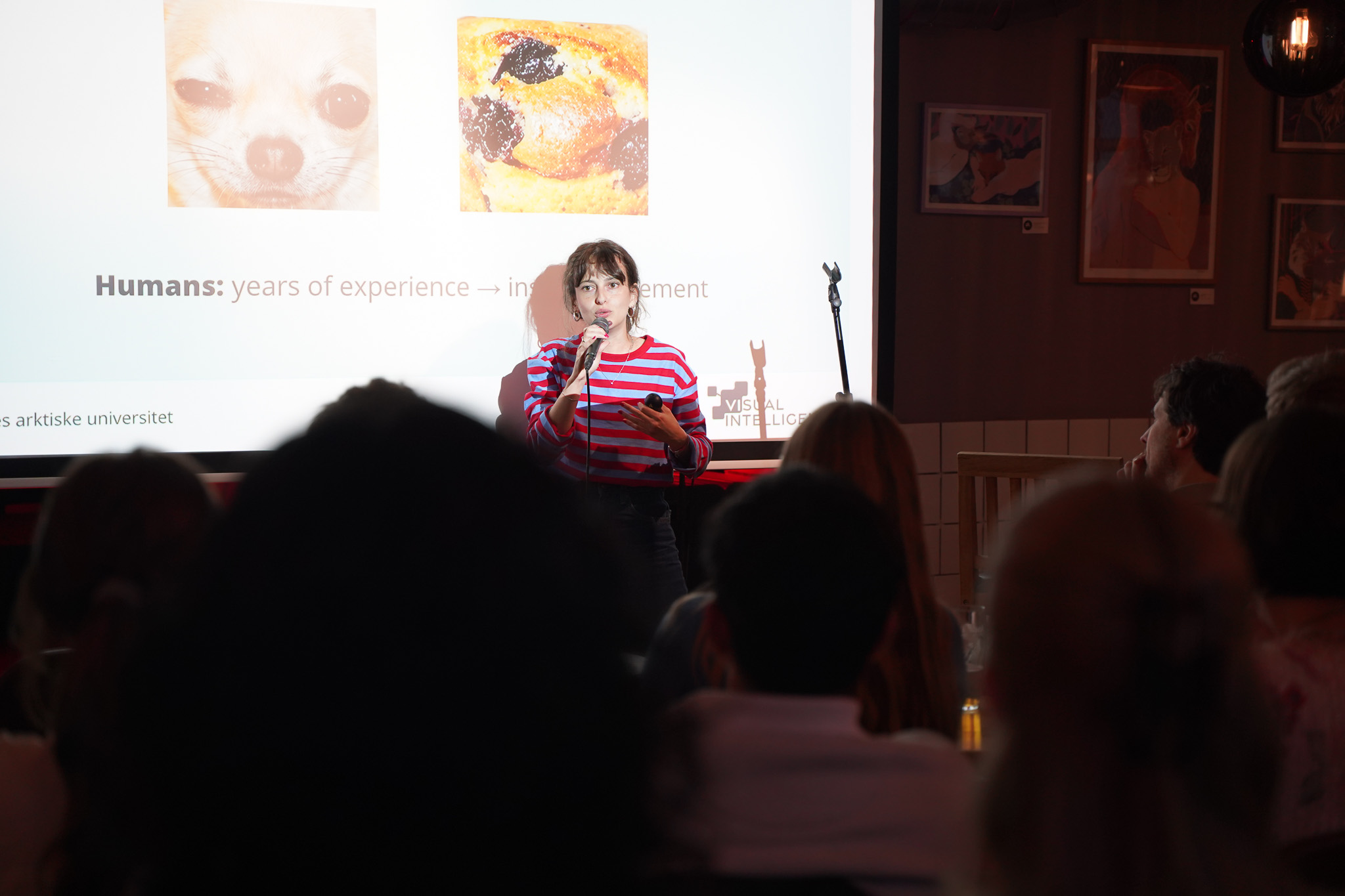
Visual Intelligence researchers contributed with various activities during Forskningsdagene 2026: Norway's annual research festival.
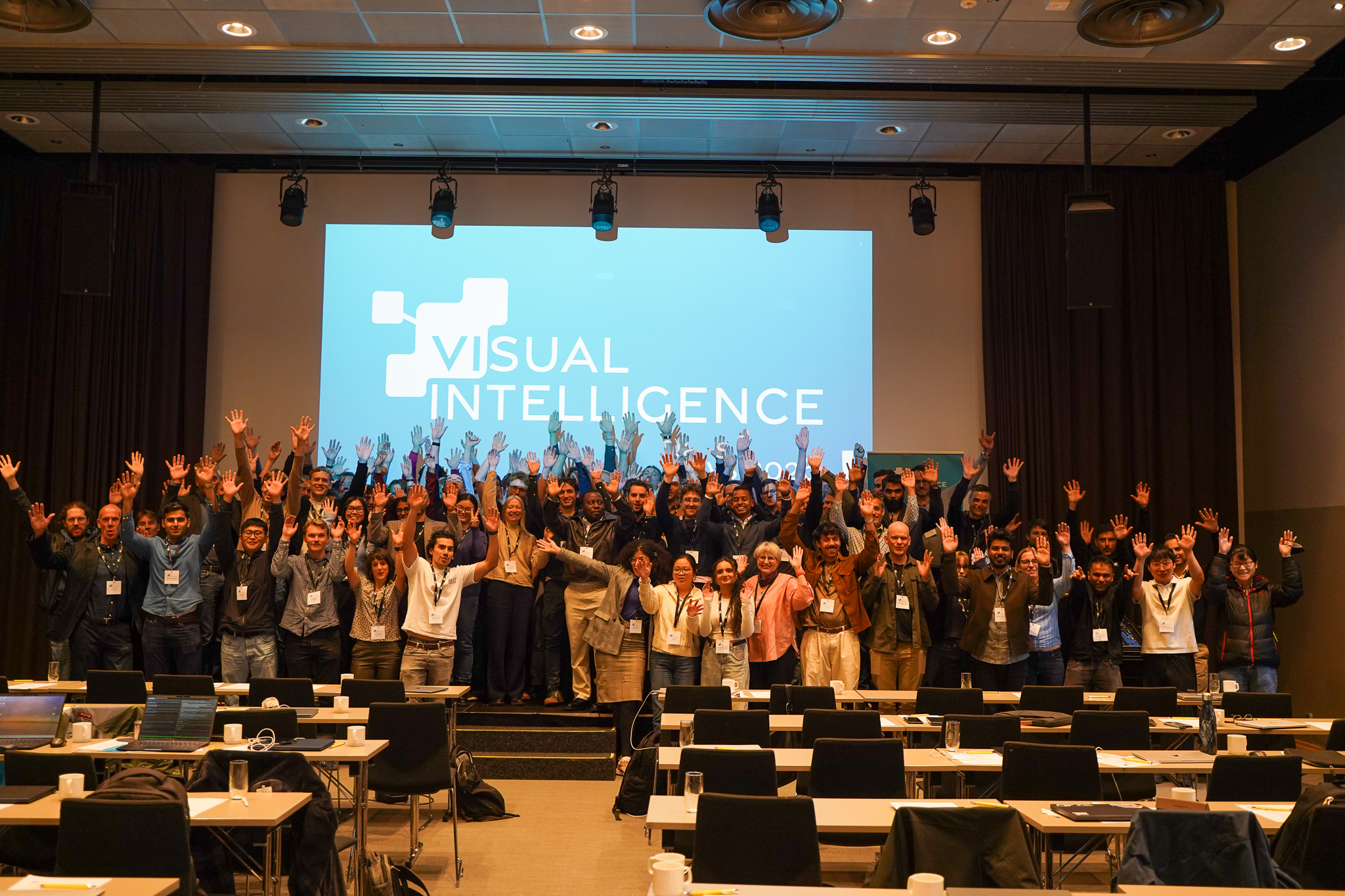
100 researchers, user partners and invited guests gathered in Oslo, Norway for the Visual Intelligence Days: the centre's annual conference for sharing knowledge and updates on the latest research and innovations.
Why should we think twice before using AI as a therapist, romantic partner, or to help out with homework? AI expert Elisabeth Wetzer explains (Popular science article on sciencenorway.no / forskning.no).
Associate Professor Kristoffer Wickstrøm was interviewed by Norsk rikskringkasting (NRK) about the ongoing debate on whether to halt current and future AI development
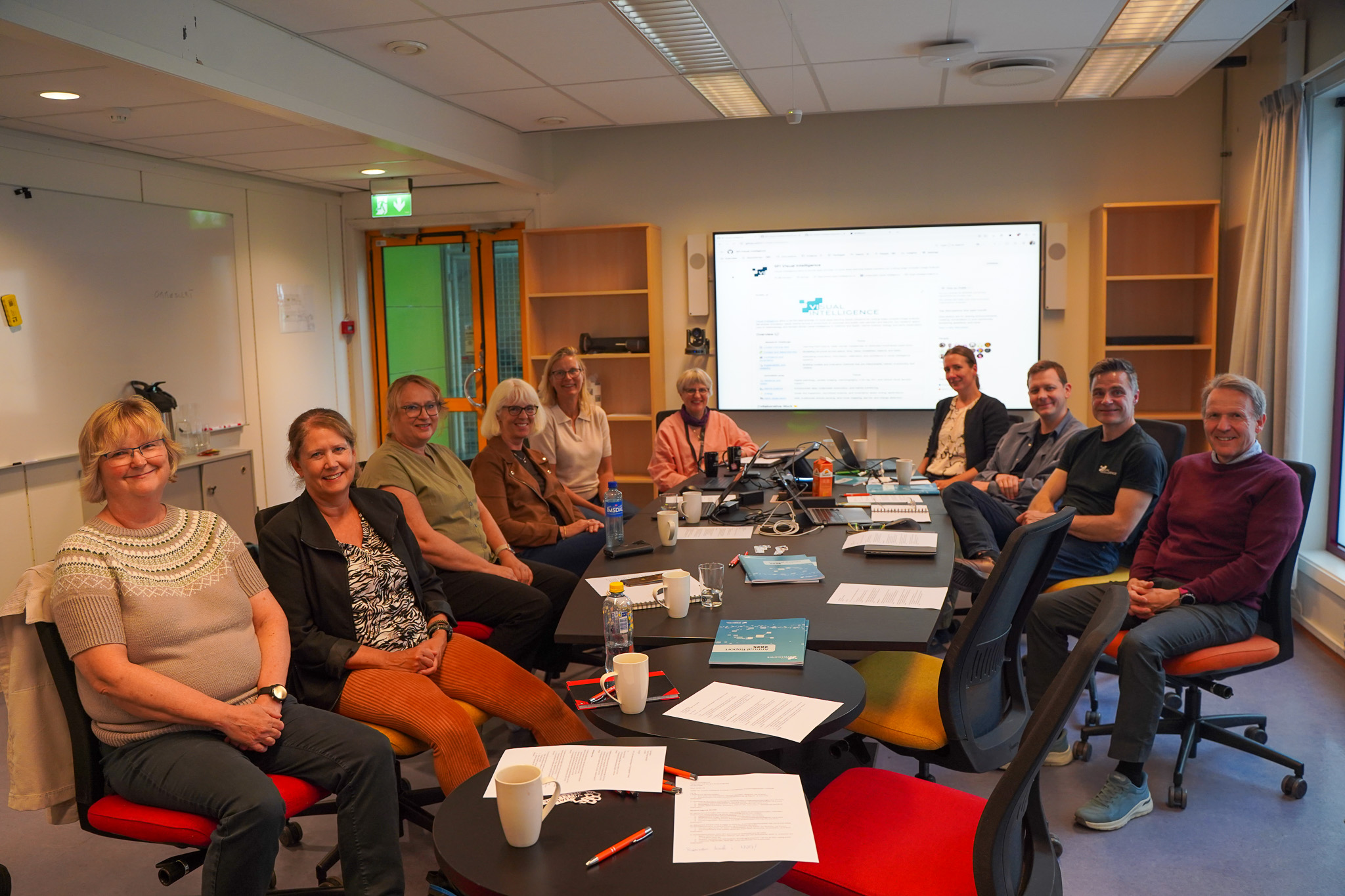
Representatives from the Research Council of Norway came to Visual Intelligence's hub in Tromsø for a site visit meeting.
.jpg)
Harald Lykke Joakimsen, a PhD Candidate at Visual Intelligence's hub in Tromsø, will compete in Forsker Grand Prix: Norway's national popular science competition.
.png)
Congratulations to Centre Director Robert Jenssen, who was appointed as a new fellow of the International Associaton for Pattern Recognition (IAPR).
.jpg)
Why should we think twice before using AI as a therapist, romantic partner, or to help with homework? AI expert Elisabeth Wetzer explains.
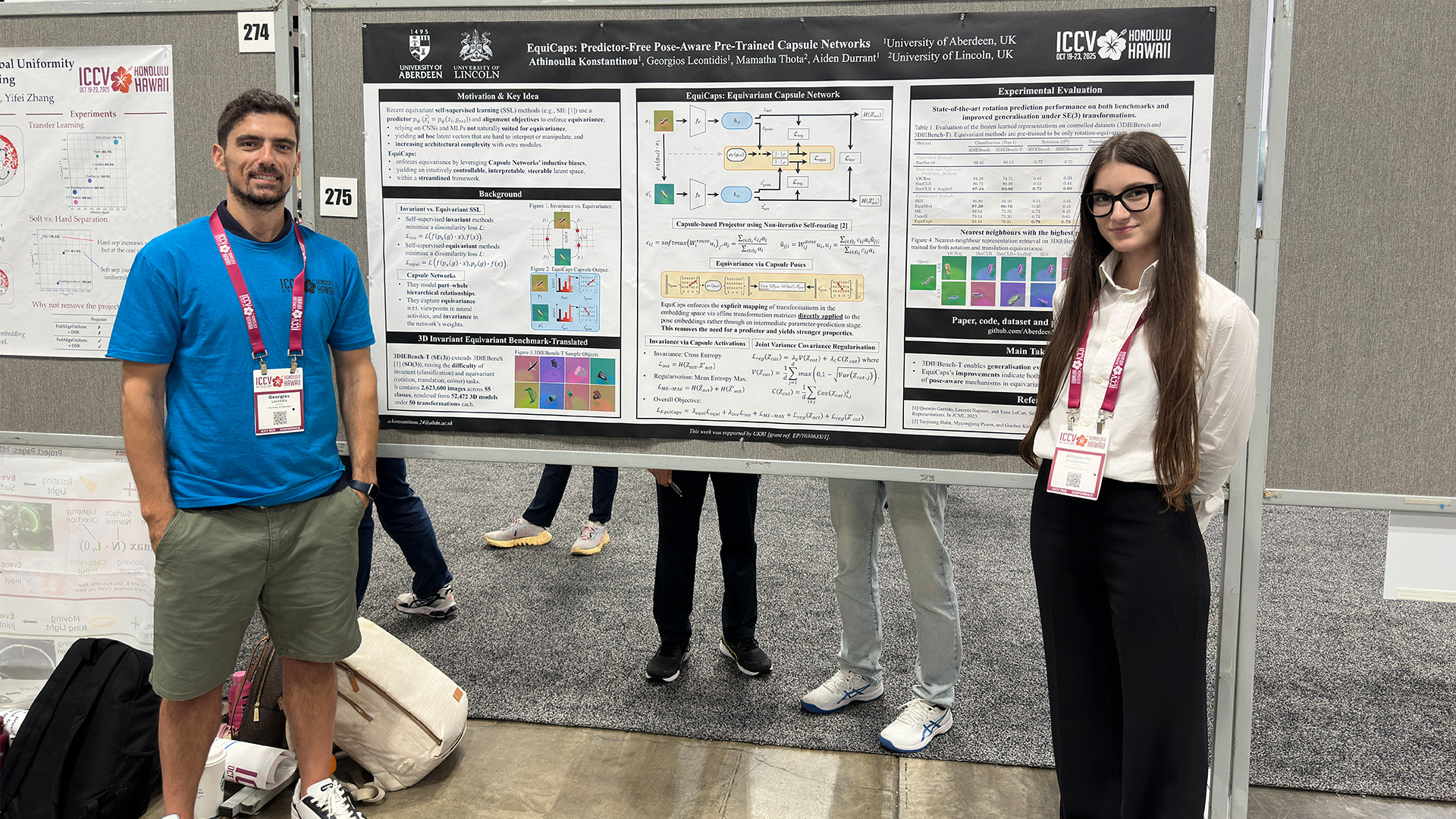
Athinoulla Konstantinou is a PhD student at the University of Aberdeen. She visited Visual Intelligence's hub in Tromsø to work with equivariant modelling.
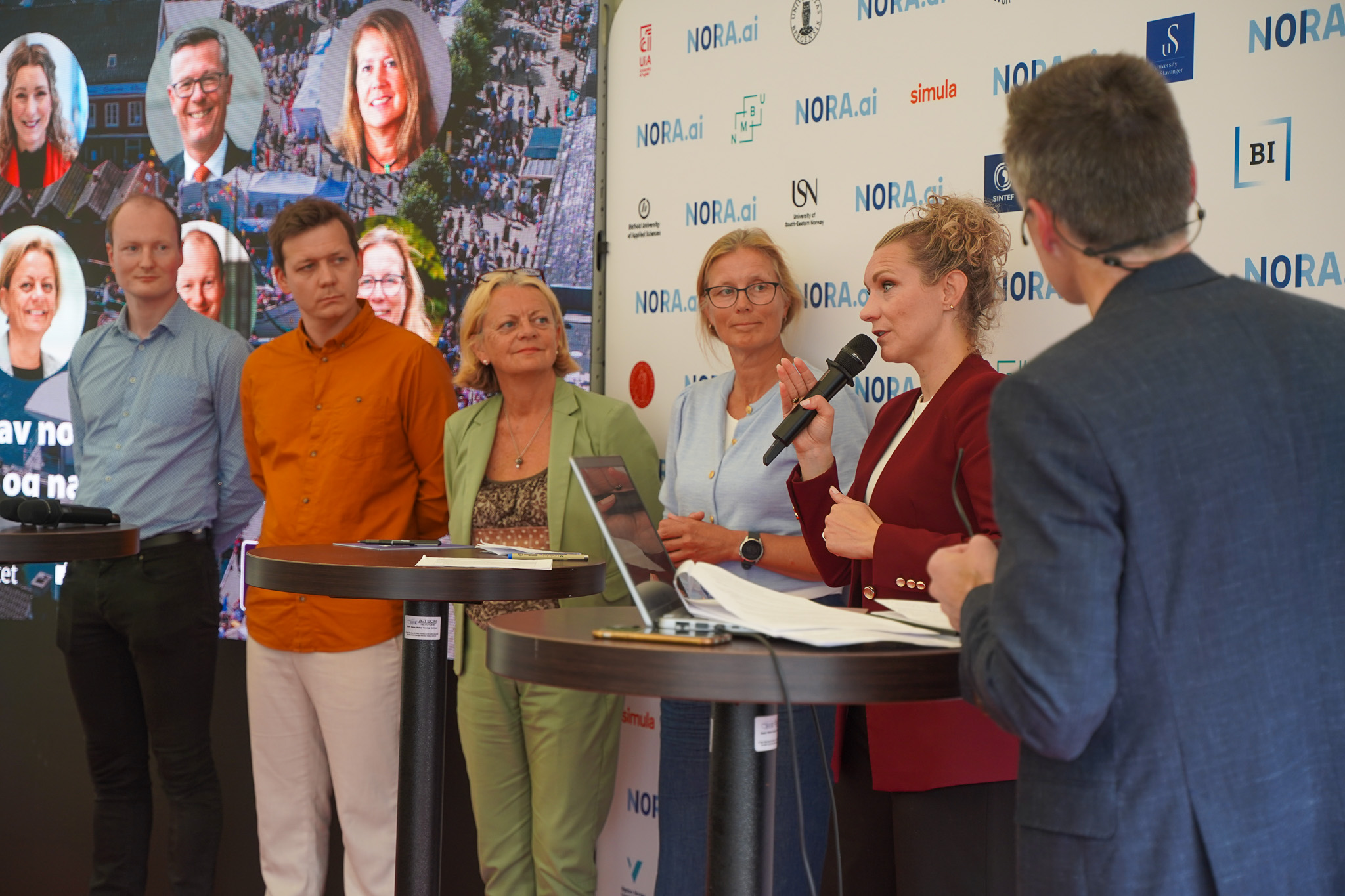
Visual Intelligence gathered experts from Norwegian politics, research council, industry, the public sector, and academia to discuss the value of Norwegian AI competence and Norwegian-developed models.

Visual Intelligence researchers are attending two AI-oriented events at Arendalsuka 2026: Norway's largest annual political festival.
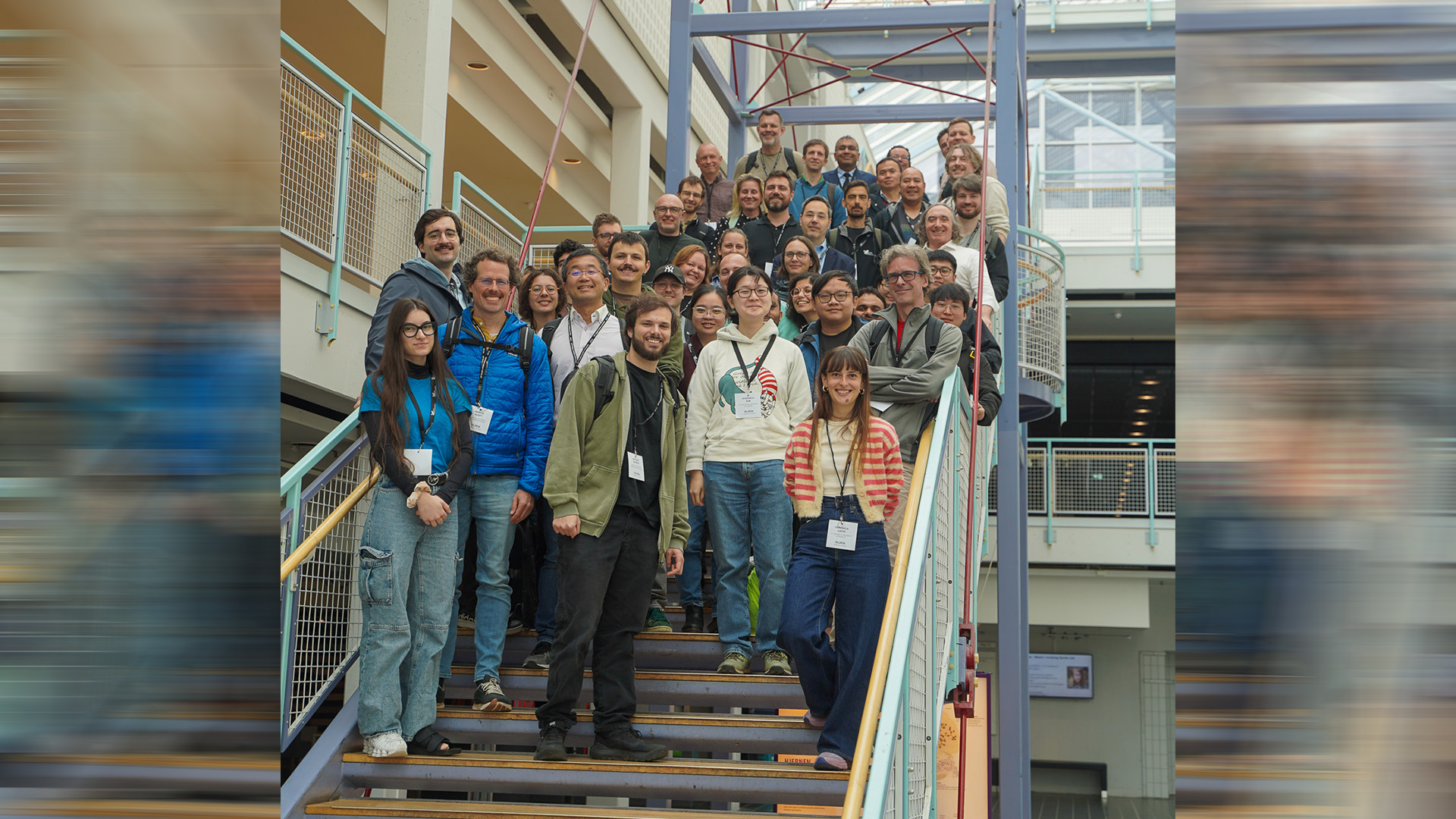
Visual Intelligence hosted over 45 international AI researchers for the DL2026 workshop at UiT The Arctic University of Norway.

Visual Intelligence will be well represented at MICCAI 2026, one of the leading AI conferences on medical imaging and computer assisted intervention, with two accepted research papers.
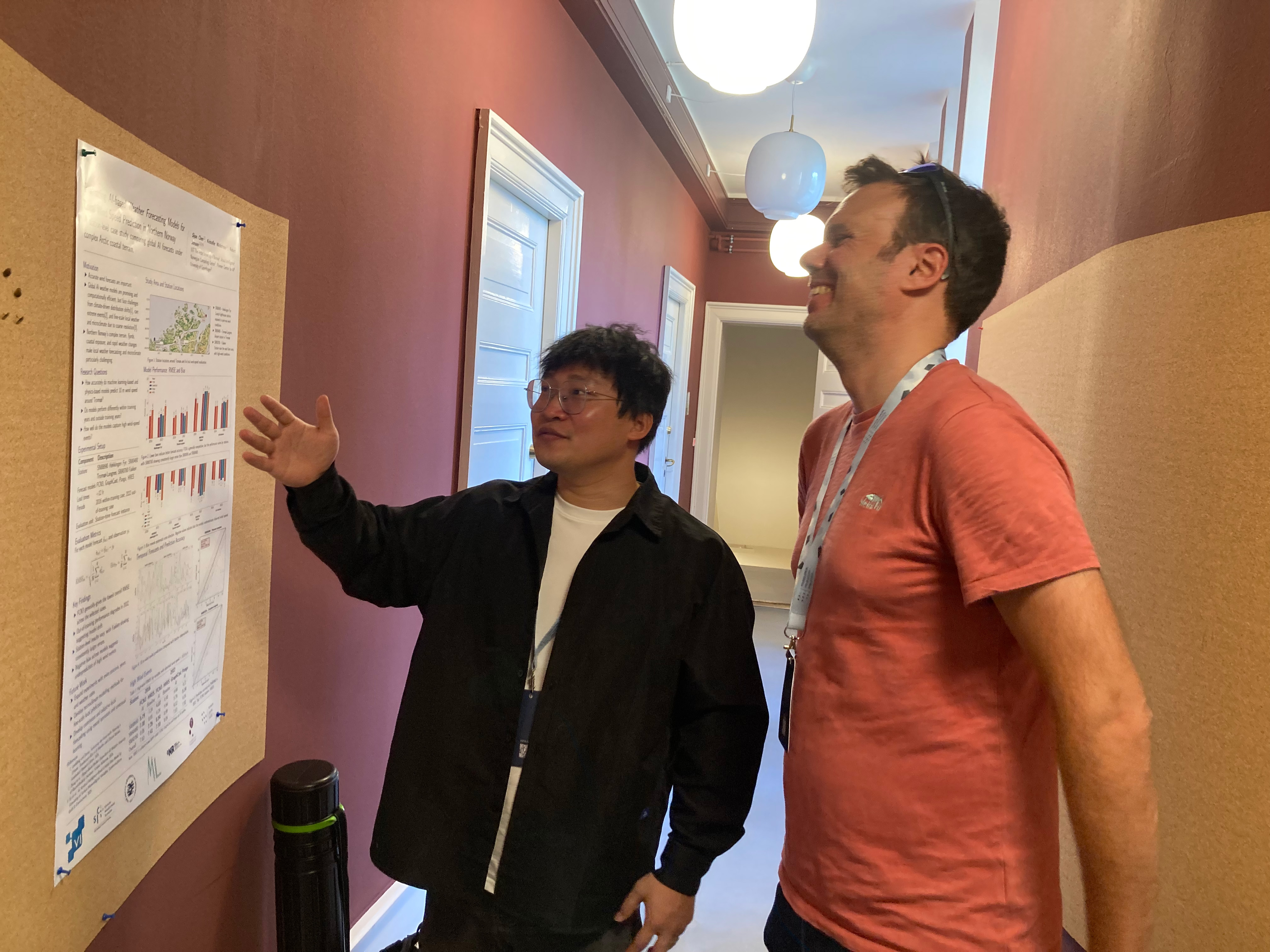
Visual Intelligence co-organized and attended the "Foundations of Arctic AI and Generative Forecasting": an inaugural workshop in the P1 Arctic AI program.
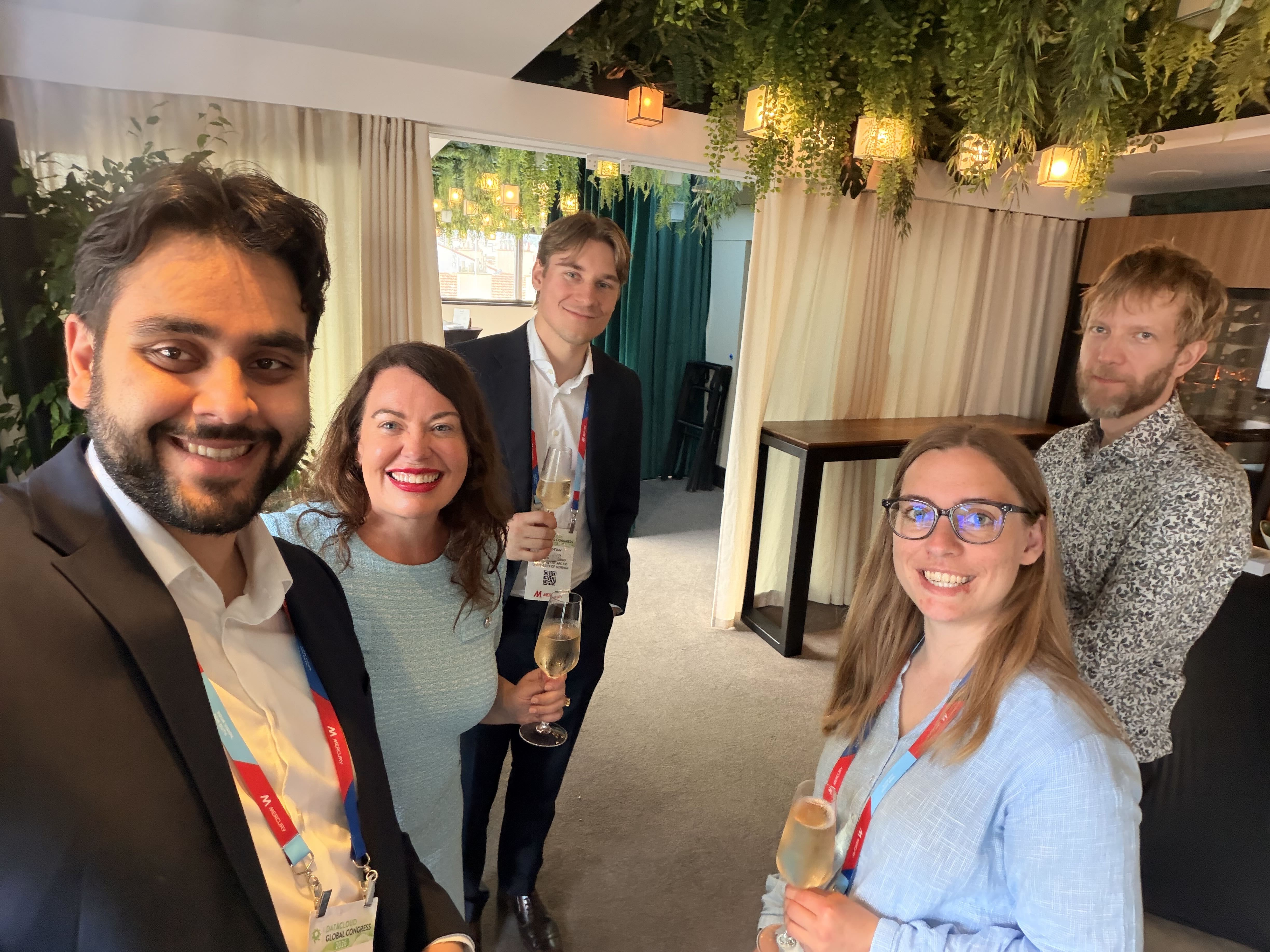
PhD Candidates Solveig Thrun and Christian Salomonsen attended the Datacloud Global Congress' Talent in Tech programme, which invited emerging talent to a unique programme designed to inspire, educate, and connect young professionals with senior leaders from global tech giants.
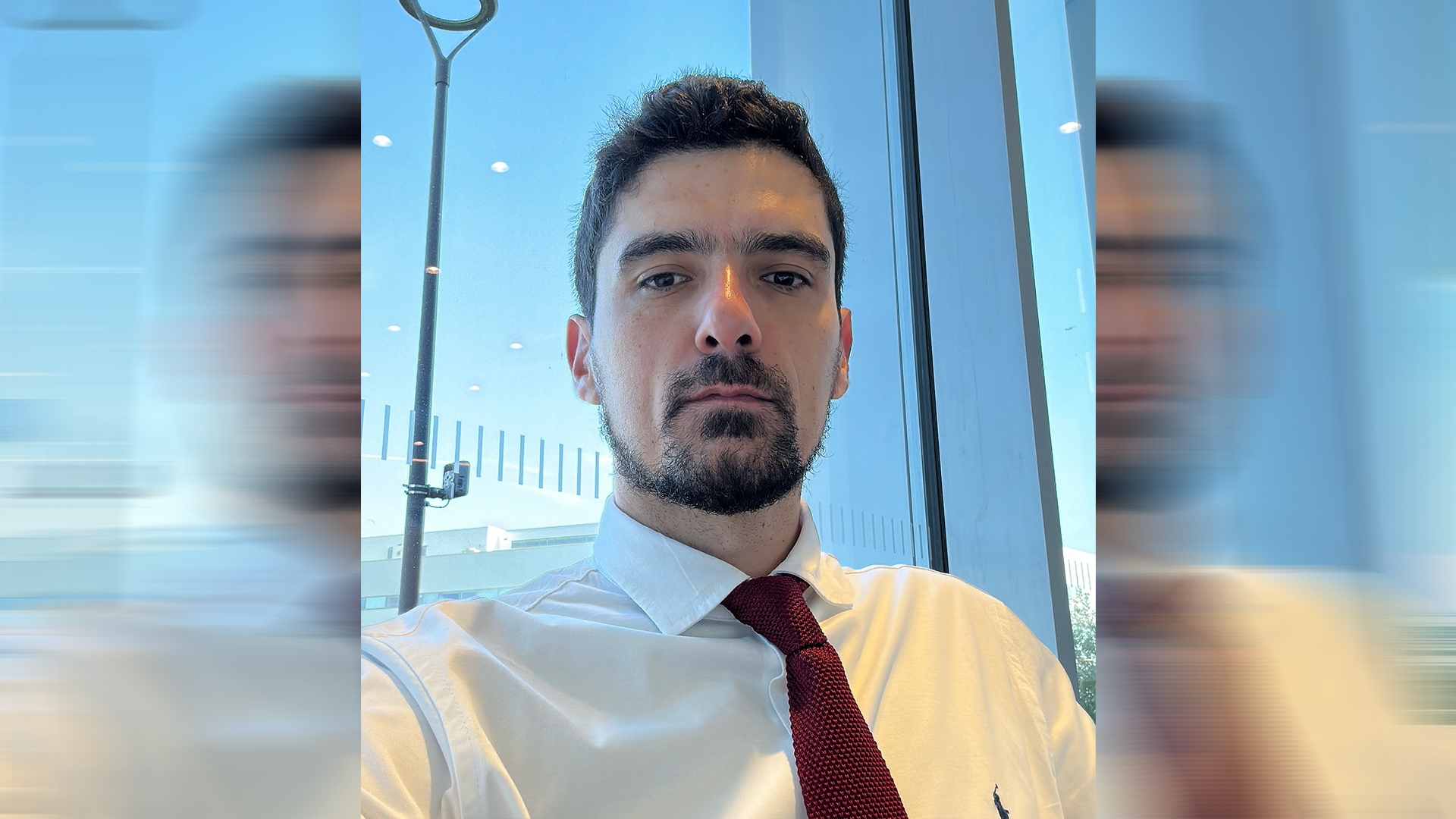
We warmly welcome Georgios Leontidis as a new Professor at SFI Visual Intelligence's hub at UiT The Arctic University of Norway.

Centre Director Robert Jenssen was interviewed by Norsk rikskringkasting (NRK) about the Japan-Norway AI Innovation Forum in Tokyo, Japan.
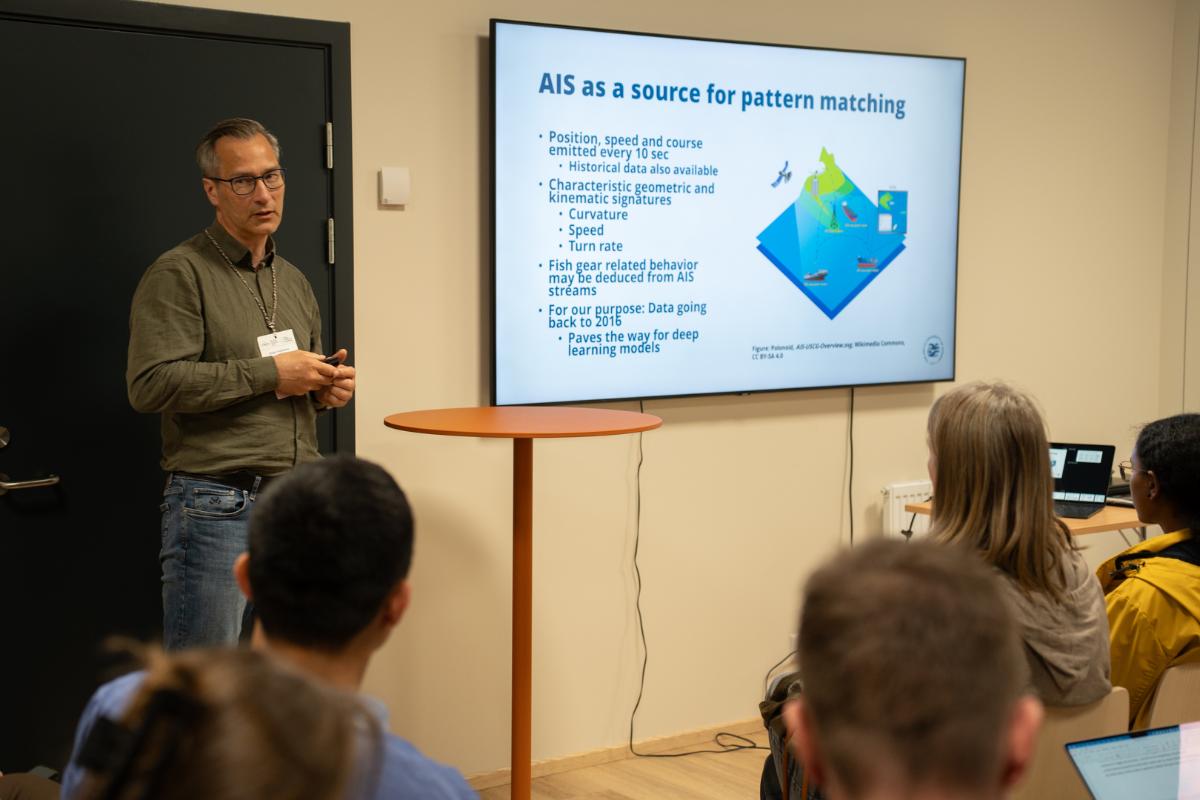
En ny AI-løsning utviklet ved UiT kan gjøre det enklere å avdekke feilrapportering og ulovlig fiske. Nå skal Norges Råfisklag teste teknologien i praktisk bruk (News article on kystogfjord.no)
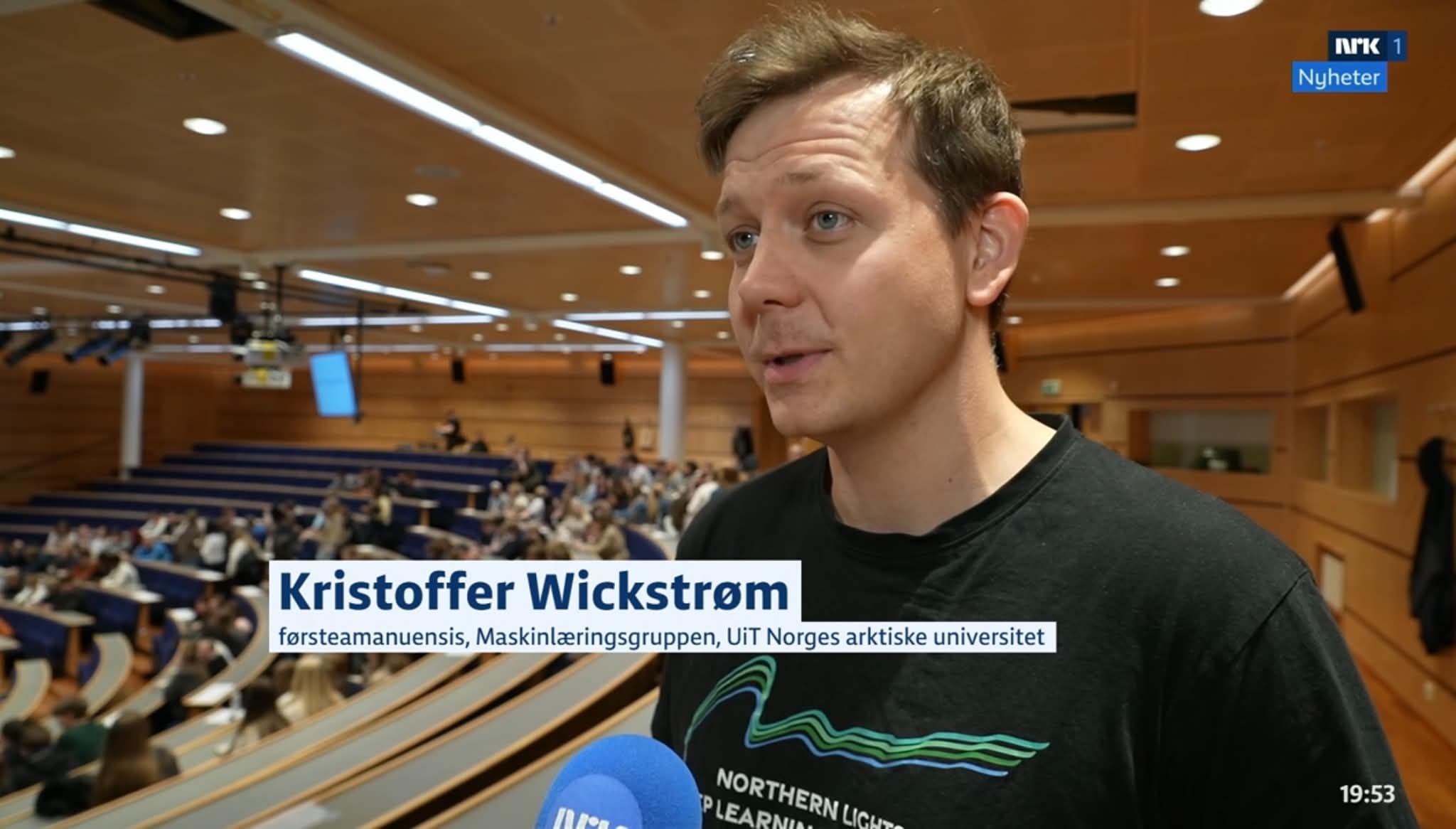
Principal Investigator Kristoffer Wickstrøm was interviewed by Norsk rikskringkasting (NRK) about the Artificial Intelligence Day at UiT- The Arctic University of Norway.
.jpg)
En ny, åpent tilgjengelig KI-modell kan endre hvordan geologer tolker seismikk. Den norske grunnmodellen lover raskere analyser, lavere terskel for innovasjon og nye måter å forstå undergrunnen på.