

.jpg)
It’s a good idea to think twice before using AI, says AI researcher Elisabeth Wetzer. What it says might be wrong or incorrect.
Why should we think twice before using AI as a therapist, romantic partner, or to help with homework? AI expert Elisabeth Wetzer explains.
Why should we think twice before using AI as a therapist, romantic partner, or to help with homework? AI expert Elisabeth Wetzer explains.
By Petter Bjørklund, Communications Officer at SFI Visual Intelligence
We are using artificial intelligence (AI) more than ever. Everything from doing schoolwork to having a chat about things we are curious about.
In fact, Norway uses the most AI in all of Europe. A whopping 56% of Norwegians use AI for different things.
Even though AI can help us with many different things, we shouldn’t always trust what it tells us.
This says Elisabeth Wetzer, who is an associate professor at Visual Intelligence.
Wetzer researches AI at Visual Intelligence, a research centre at UiT.
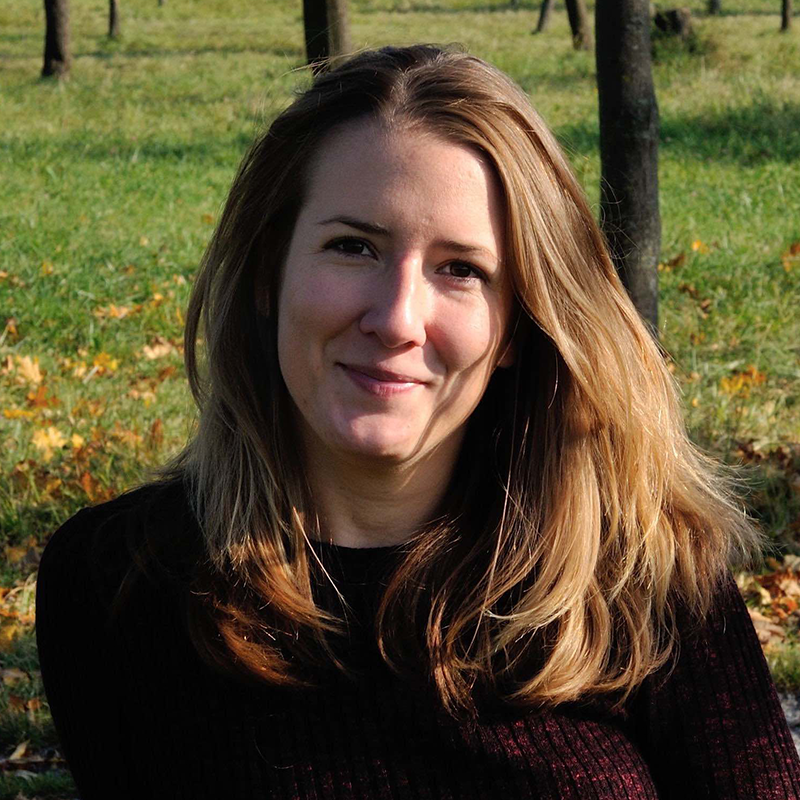
She believes we should think carefully before using AI for different purposes
“There are several reasons why,” says Wetzer.
AI is designed to answer confidently, even when what it says isn’t always correct or true.
AI can make all sorts of strange claims. For instance, ChatGPT and Grok have fabricated sources that don’t exist and events that never happened
“Many people assume that an answer must be correct simply because it comes from a machine. That isn’t always the case,” says Wetzer.
She encourages us to always double-check the information AI gives us. This could mean checking in a book or other trustworthy sources online.
Wetzer specifically warns against taking health advice from AI. Research shows that AI is not something you should rely on when it comes to medical advice.
“ChatGPT is not a doctor. At the worst, this advice could be directly harmful to your health,” she says.
AI learns by looking at many examples of the same thing. An AI that has learned to recognize cats, for example, is trained on thousands of pictures of cats.
But AI also learns when we talk to it and share things with it. It can therefore learn very personal things about us, for example if we use it as psychologist or a romantic partner.
What we tell AI doesn’t simply disappear. Open AI, the developer of ChatGPT, uses the chatlogs to further develop the chatbot.
“This data is extremely valuable to AI developers. You never know what the data might be used for,” says Wetzer.
AI imitates humans remarkably well, Wetzer says.
So well that it has become good at learning how we behave against one another – both for better and for worse.
Many people experience hate and harassment based on their skin color, sexual orientation or gender. Just like humans, AI can also learn to become racist, homophobic or to favor men over women.
For instance, ChatGPT has spoken disparagingly about people who speak African American English.
This happens because AI is often trained on text, images and videos from the internet and social media, such as Reddit, YouTube or 4chan. This means it can inherit prejudiced attitudes towards different groups of people.
Have you noticed that AI chatbots often agree with you? Maybe sometimes a bit too much?
AI is designed to validate what we think and believe about things.
“It will always try to see things from your point of view – no matter what,” says Wetzer.
This can happen if you tell AI about an argument with a friend.
“AI will often tell you that it’s completely understandable that you were furious with them,” she says.
This can affect how we behave towards one another.
“In the worst case, you may become less willing to listen to people who have different opinions than you,” explains Wetzer.
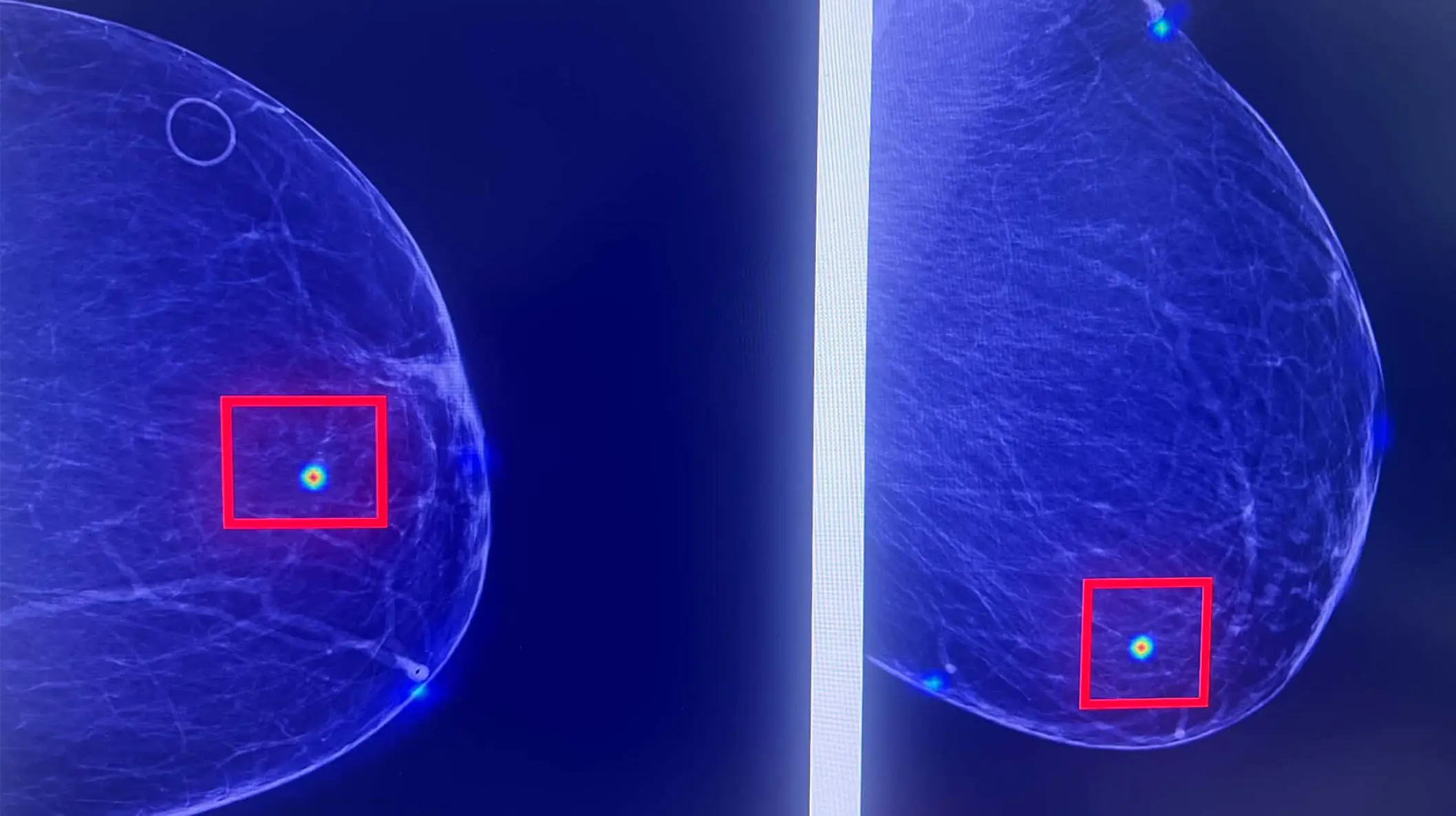
Forskere har utviklet KI til å forutsi risikoen for å få brystkreft innen ett til fem år (Norwegian popular science article on forskning.no).
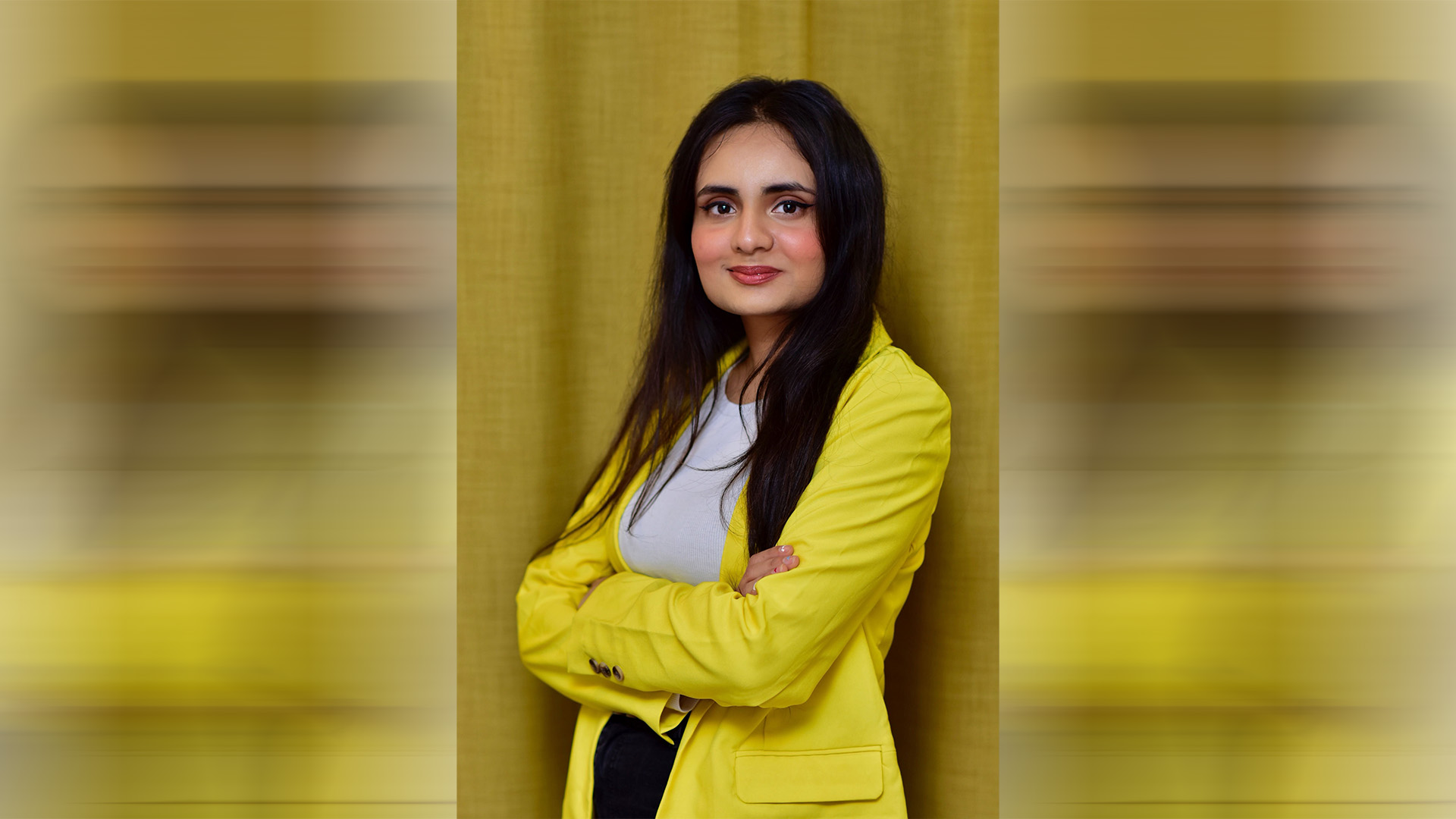
We congratulate PhD Fellow Suaiba Salahuddin, who will start as new Head Engineer at the Climate-Ecological Observatory for Arctic Tundra (COAT)
.jpg)
Researchers at Visual Intelligence have developed AI to predict the risk of getting breast cancer within one to five years. It can help detect more cases of breast cancer earlier.
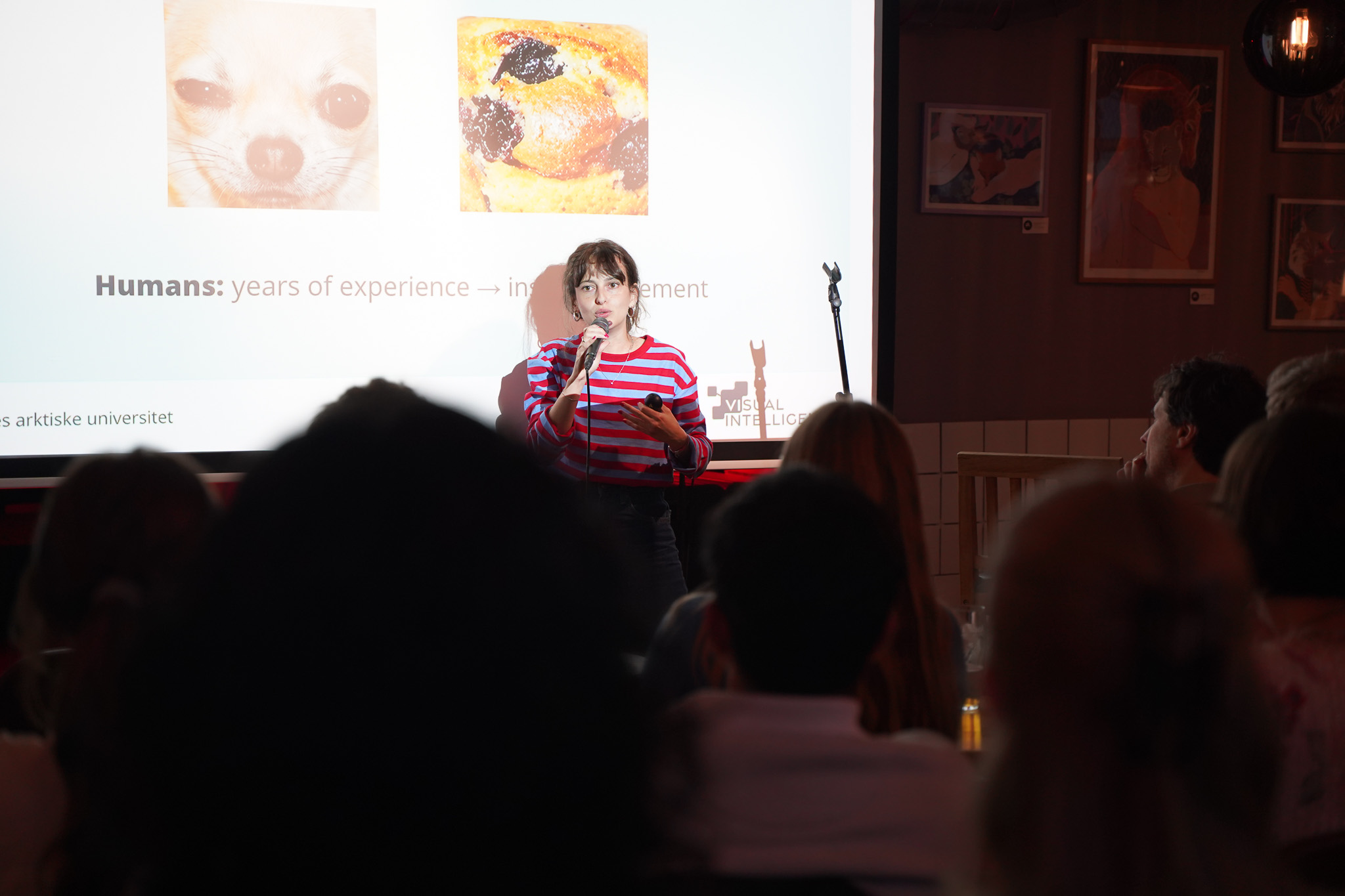
Visual Intelligence researchers contributed with various activities during Forskningsdagene 2026: Norway's annual research festival.
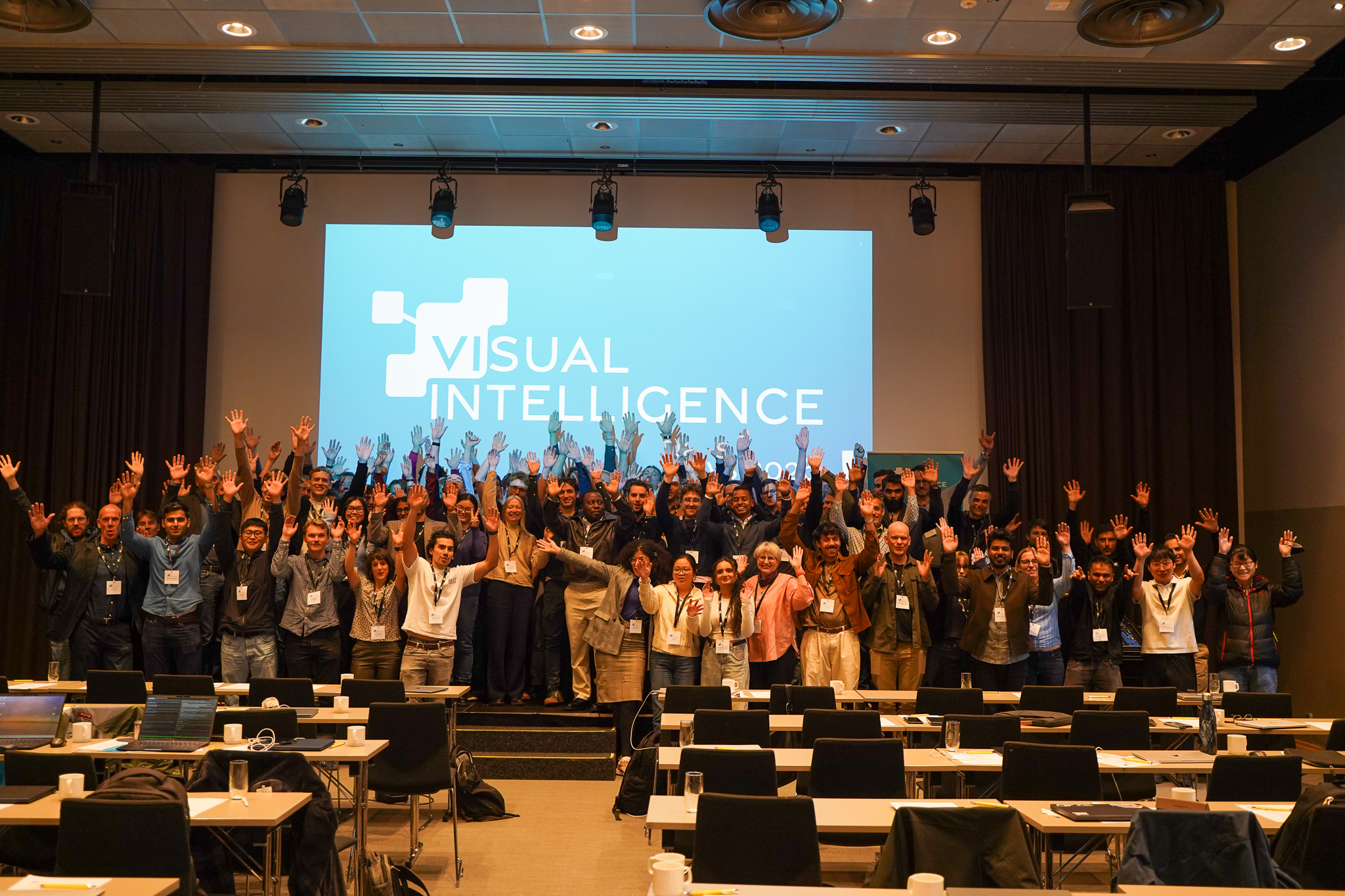
100 researchers, user partners and invited guests gathered in Oslo, Norway for the Visual Intelligence Days: the centre's annual conference for sharing knowledge and updates on the latest research and innovations.
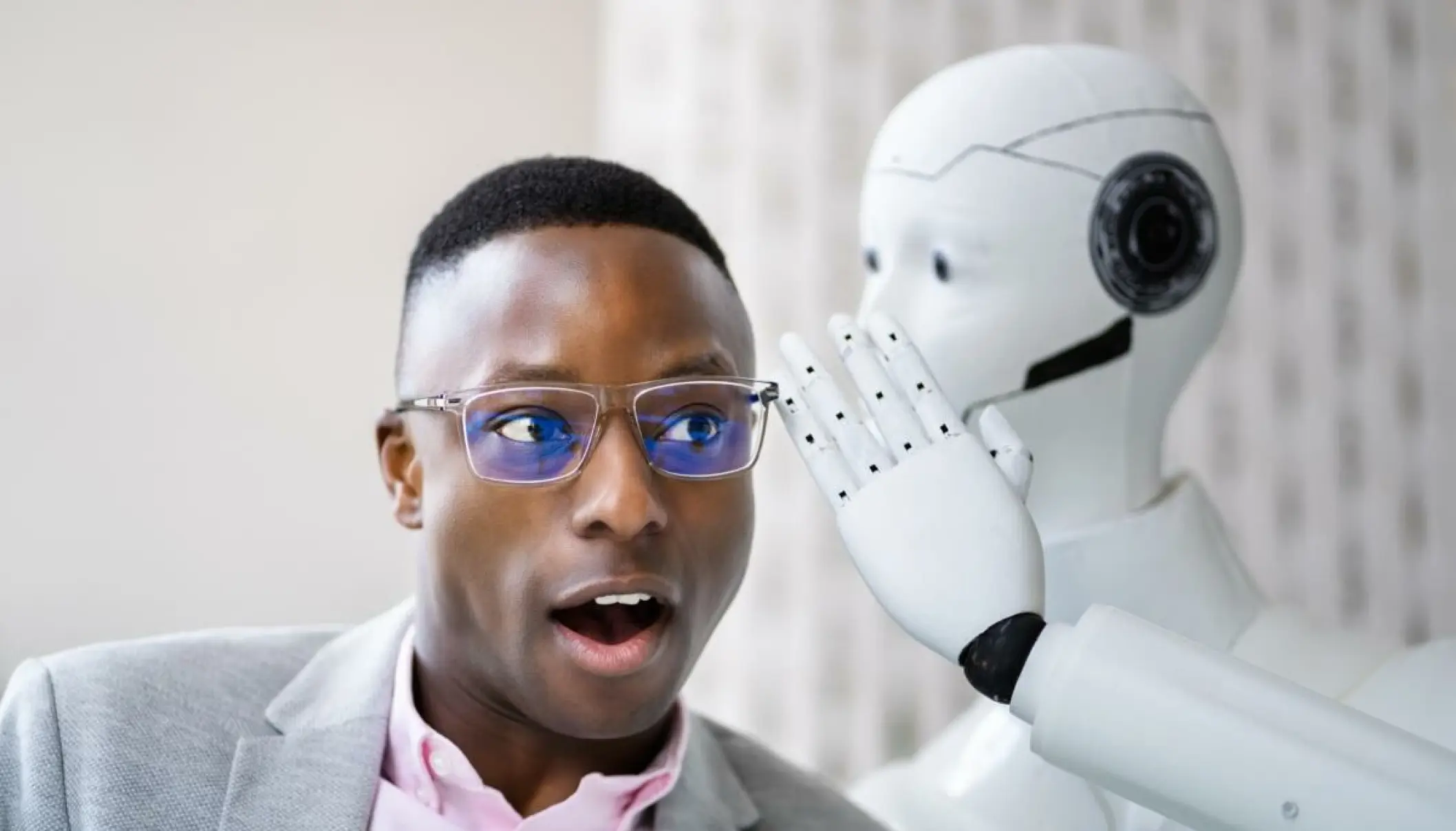
Why should we think twice before using AI as a therapist, romantic partner, or to help out with homework? AI expert Elisabeth Wetzer explains (Popular science article on sciencenorway.no / forskning.no).
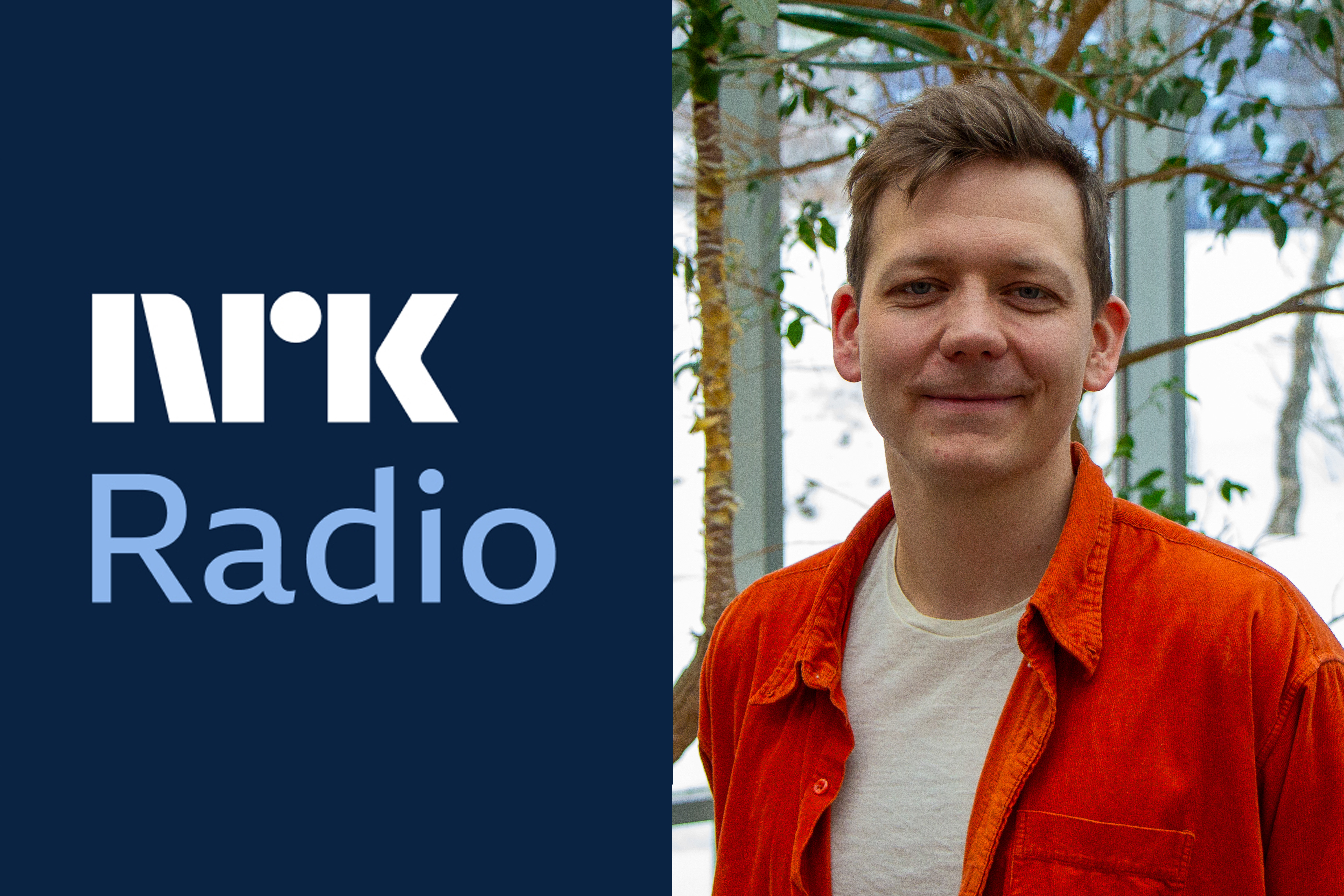
Associate Professor Kristoffer Wickstrøm was interviewed by Norsk rikskringkasting (NRK) about the ongoing debate on whether to halt current and future AI development
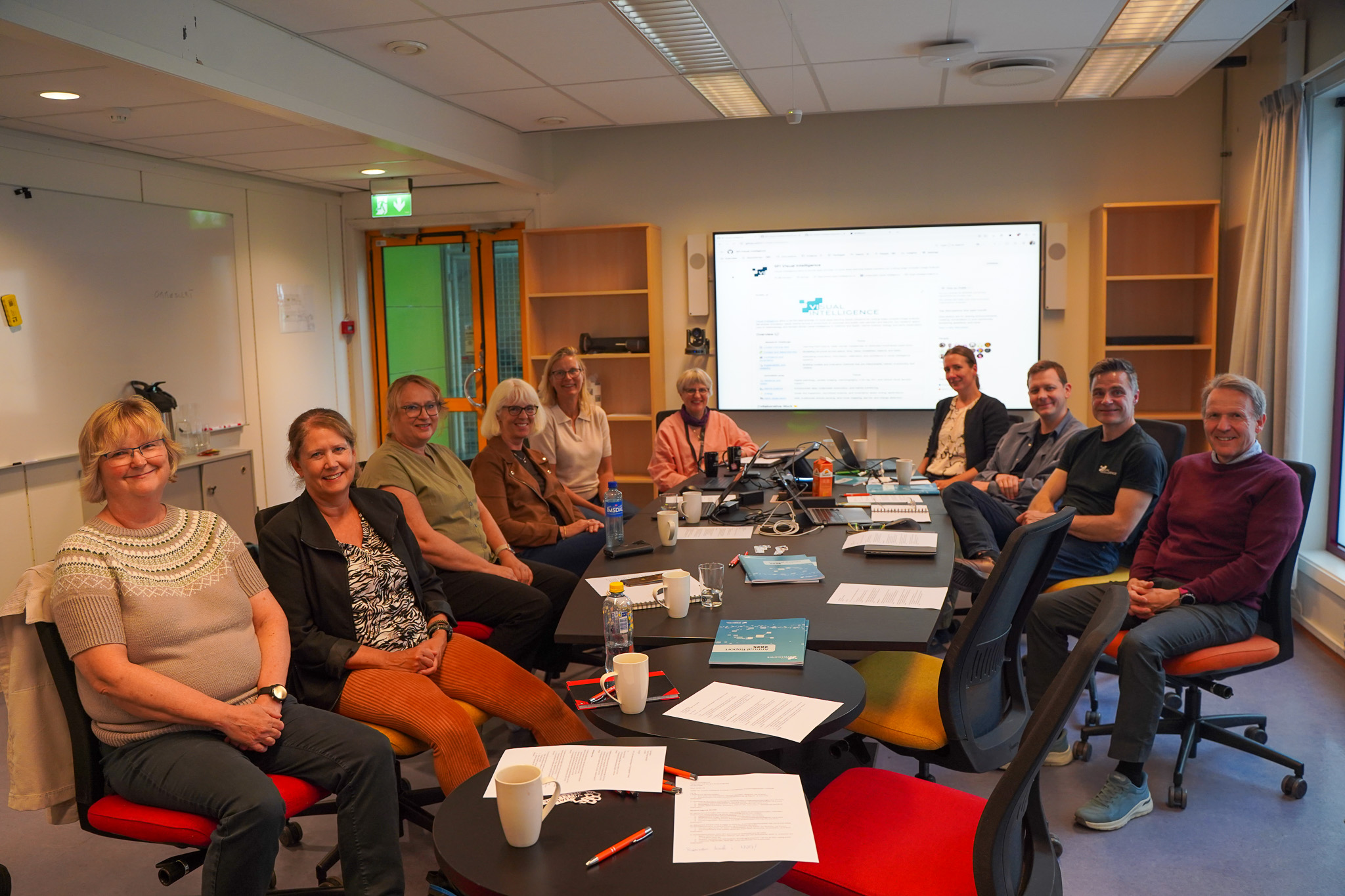
Representatives from the Research Council of Norway came to Visual Intelligence's hub in Tromsø for a site visit meeting.
.jpg)
Harald Lykke Joakimsen, a PhD Candidate at Visual Intelligence's hub in Tromsø, will compete in Forsker Grand Prix: Norway's national popular science competition.
.png)
Congratulations to Centre Director Robert Jenssen, who was appointed as a new fellow of the International Associaton for Pattern Recognition (IAPR).
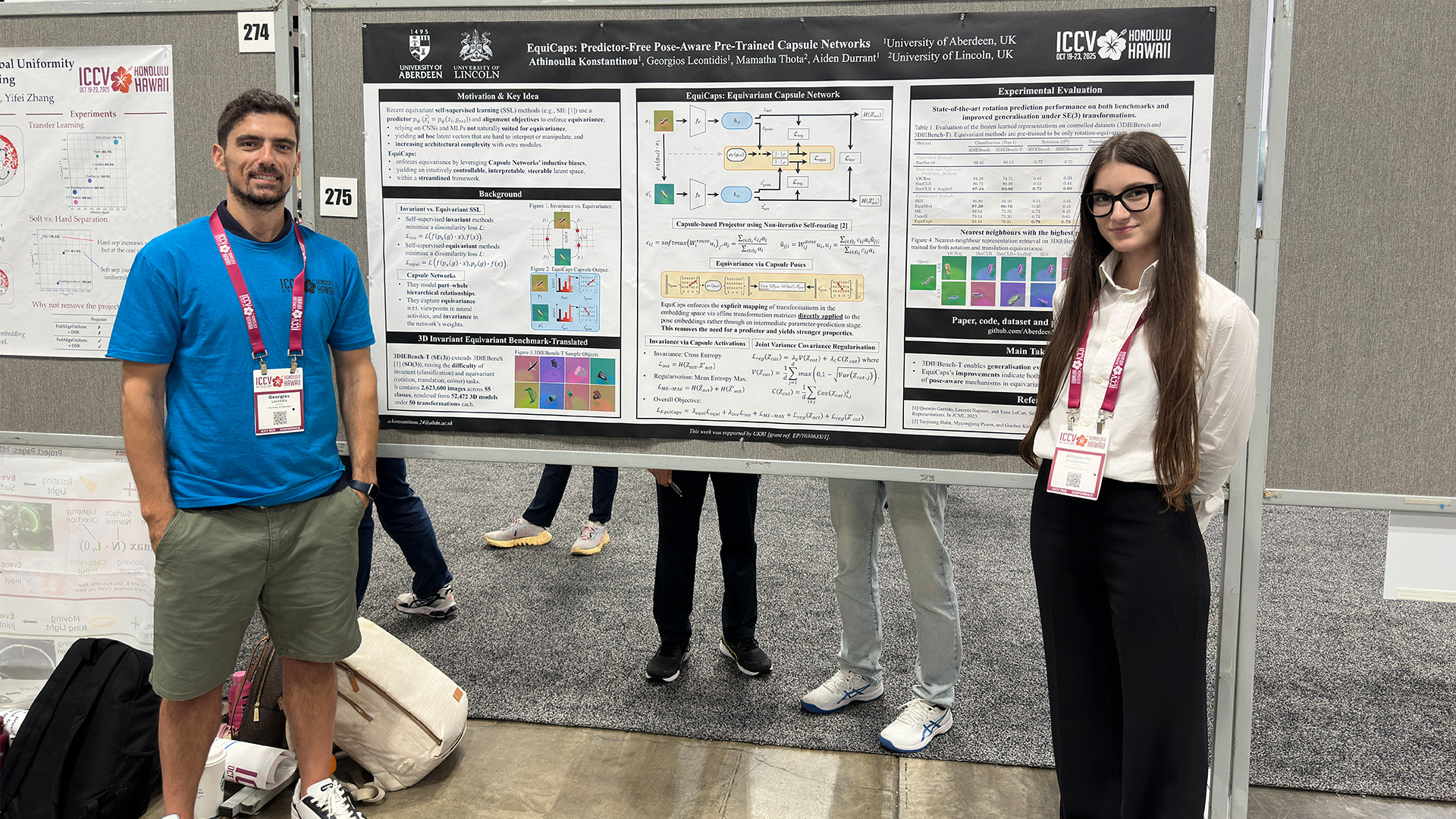
Athinoulla Konstantinou is a PhD student at the University of Aberdeen. She visited Visual Intelligence's hub in Tromsø to work with equivariant modelling.
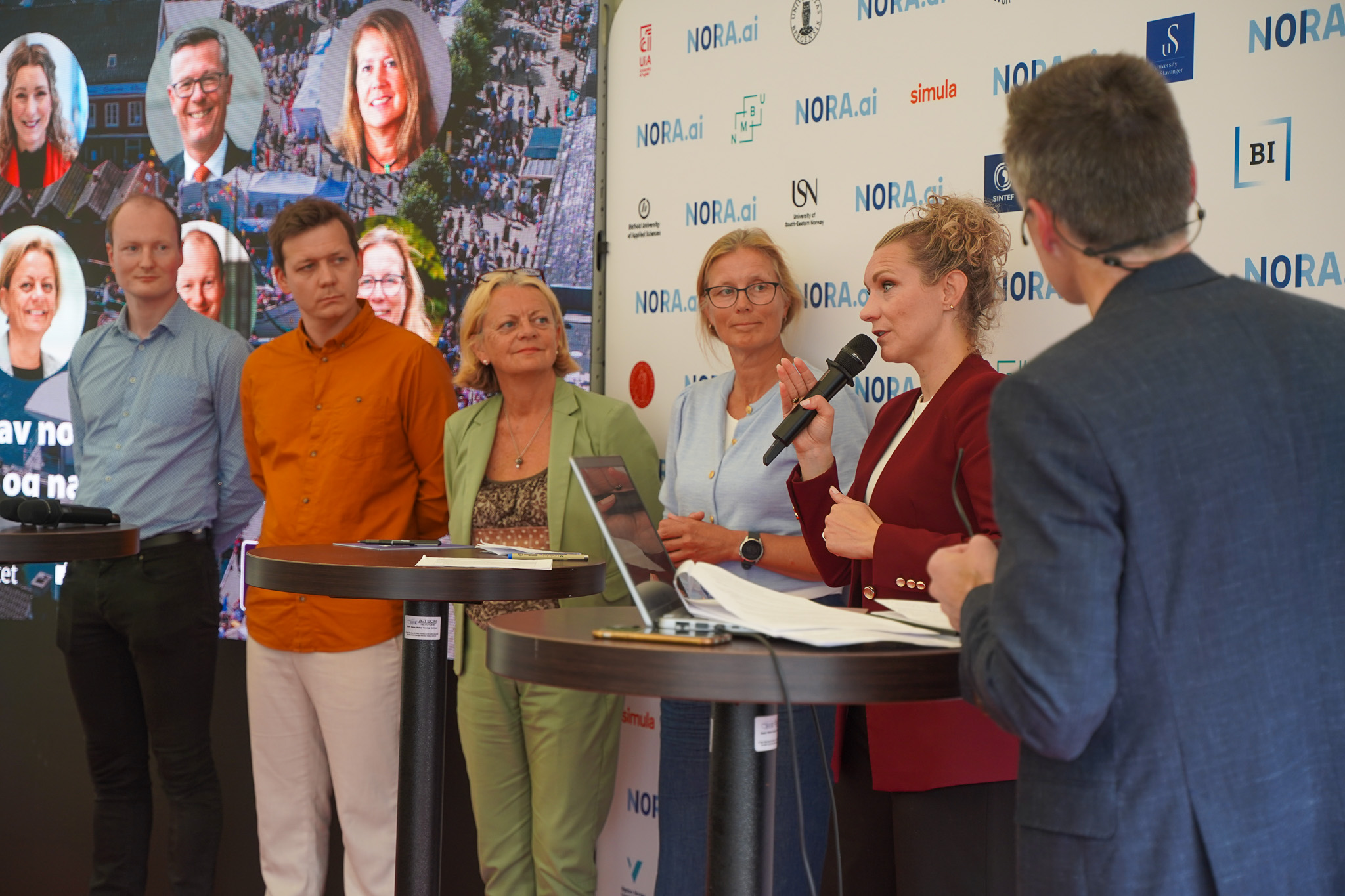
Visual Intelligence gathered experts from Norwegian politics, research council, industry, the public sector, and academia to discuss the value of Norwegian AI competence and Norwegian-developed models.

Visual Intelligence researchers are attending two AI-oriented events at Arendalsuka 2026: Norway's largest annual political festival.
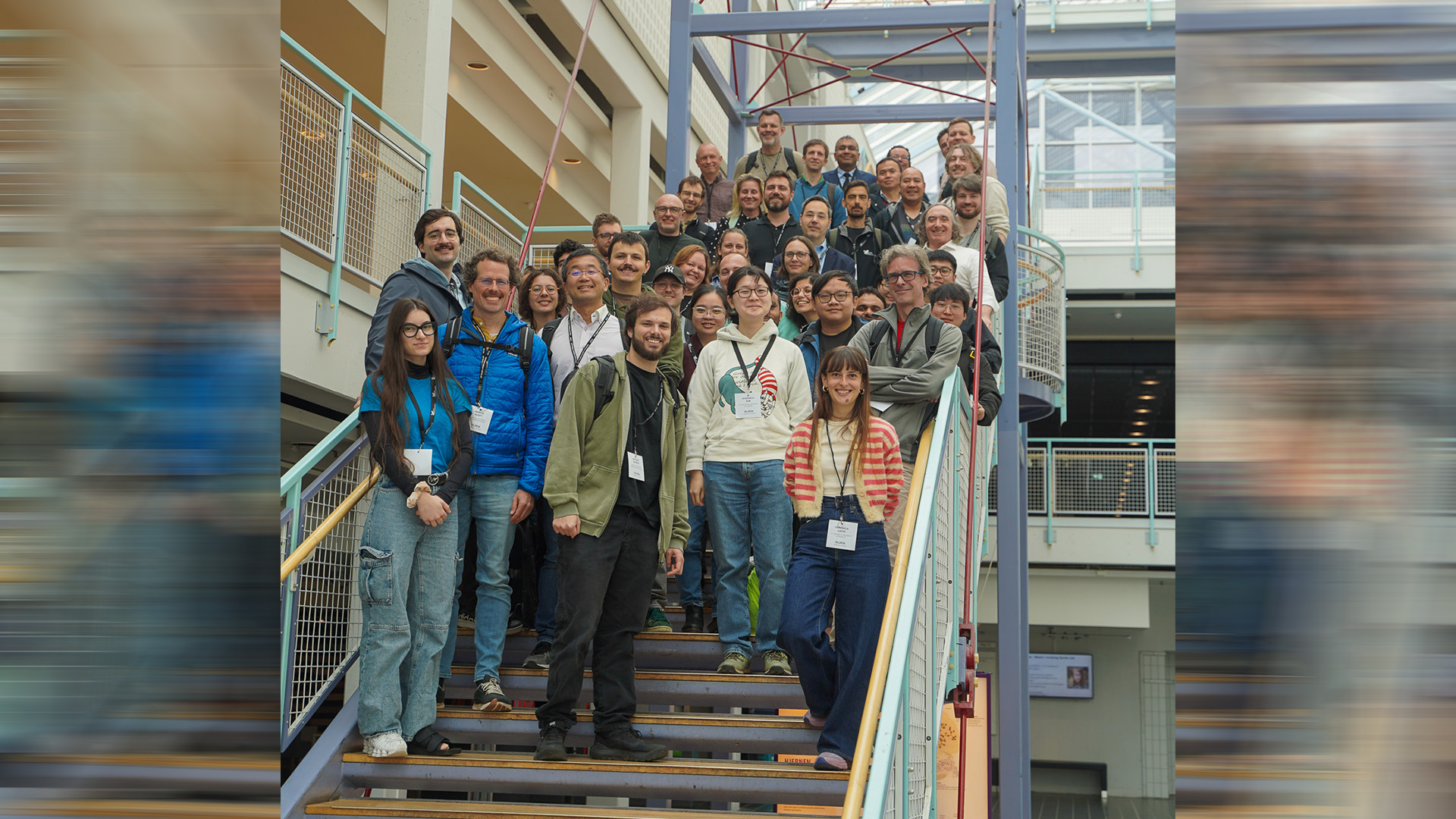
Visual Intelligence hosted over 45 international AI researchers for the DL2026 workshop at UiT The Arctic University of Norway.
Visual Intelligence will be well represented at MICCAI 2026, one of the leading AI conferences on medical imaging and computer assisted intervention, with two accepted research papers.
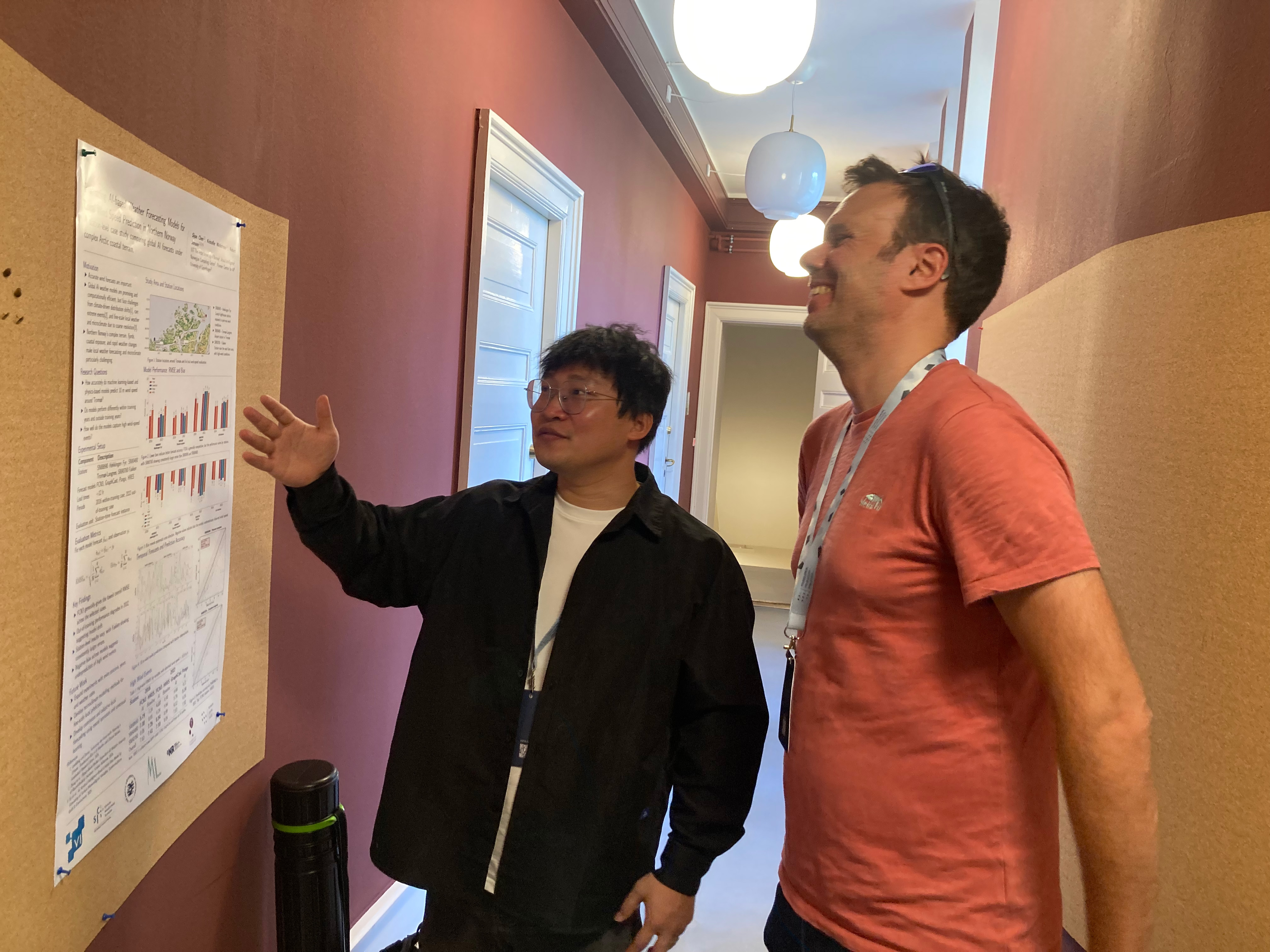
Visual Intelligence co-organized and attended the "Foundations of Arctic AI and Generative Forecasting": an inaugural workshop in the P1 Arctic AI program.
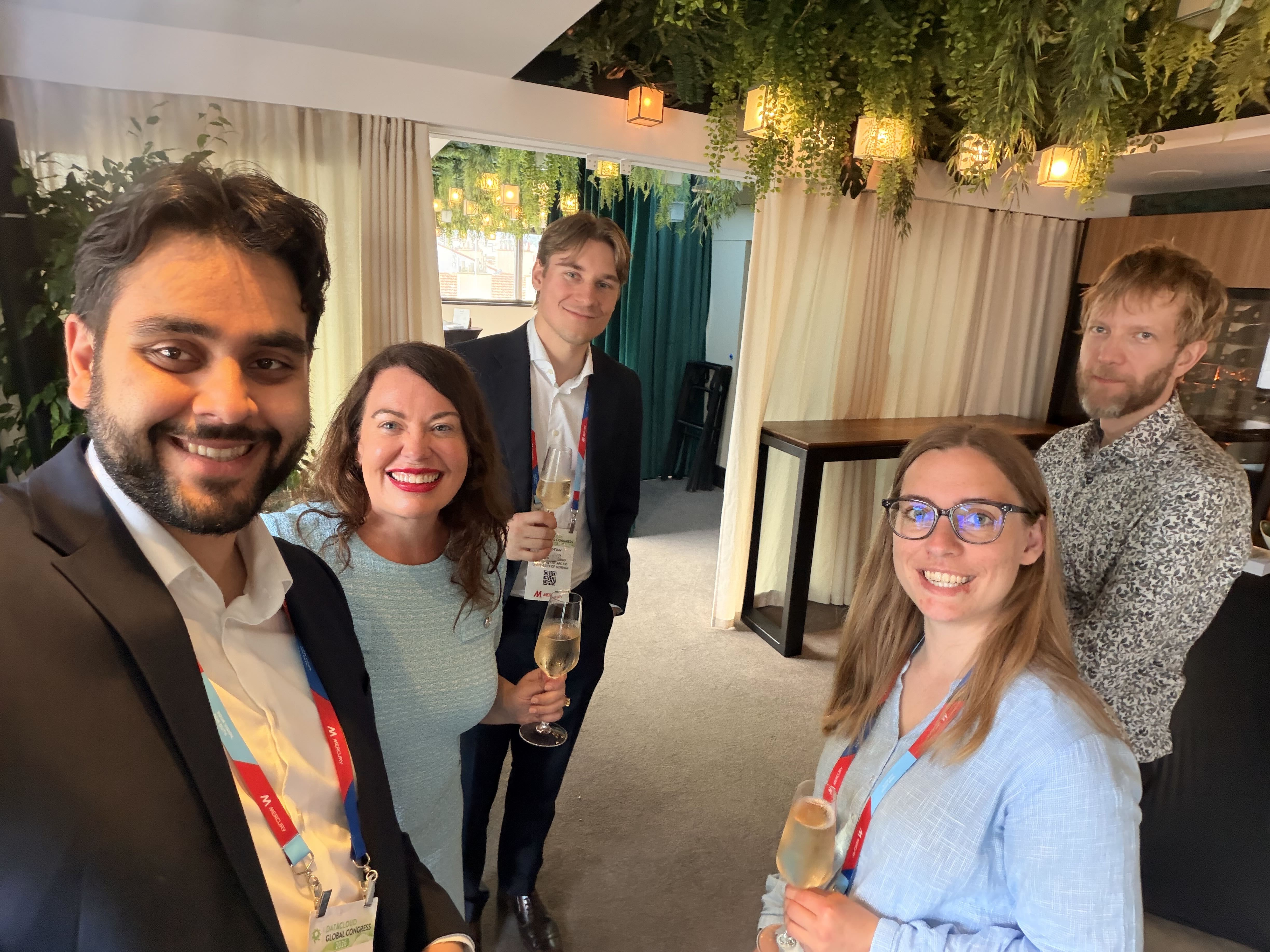
PhD Candidates Solveig Thrun and Christian Salomonsen attended the Datacloud Global Congress' Talent in Tech programme, which invited emerging talent to a unique programme designed to inspire, educate, and connect young professionals with senior leaders from global tech giants.
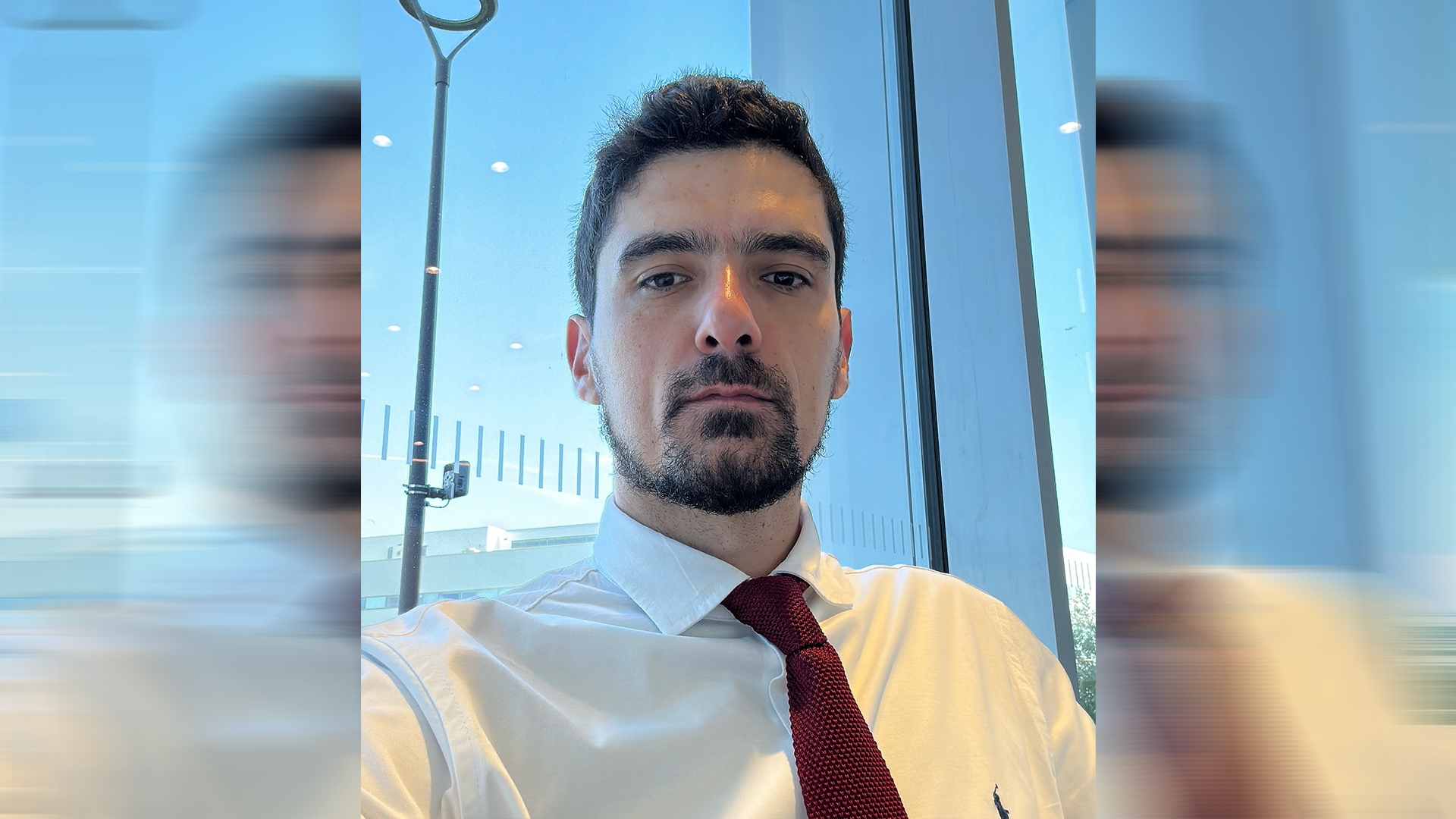
We warmly welcome Georgios Leontidis as a new Professor at SFI Visual Intelligence's hub at UiT The Arctic University of Norway.
Centre Director Robert Jenssen was interviewed by Norsk rikskringkasting (NRK) about the Japan-Norway AI Innovation Forum in Tokyo, Japan.
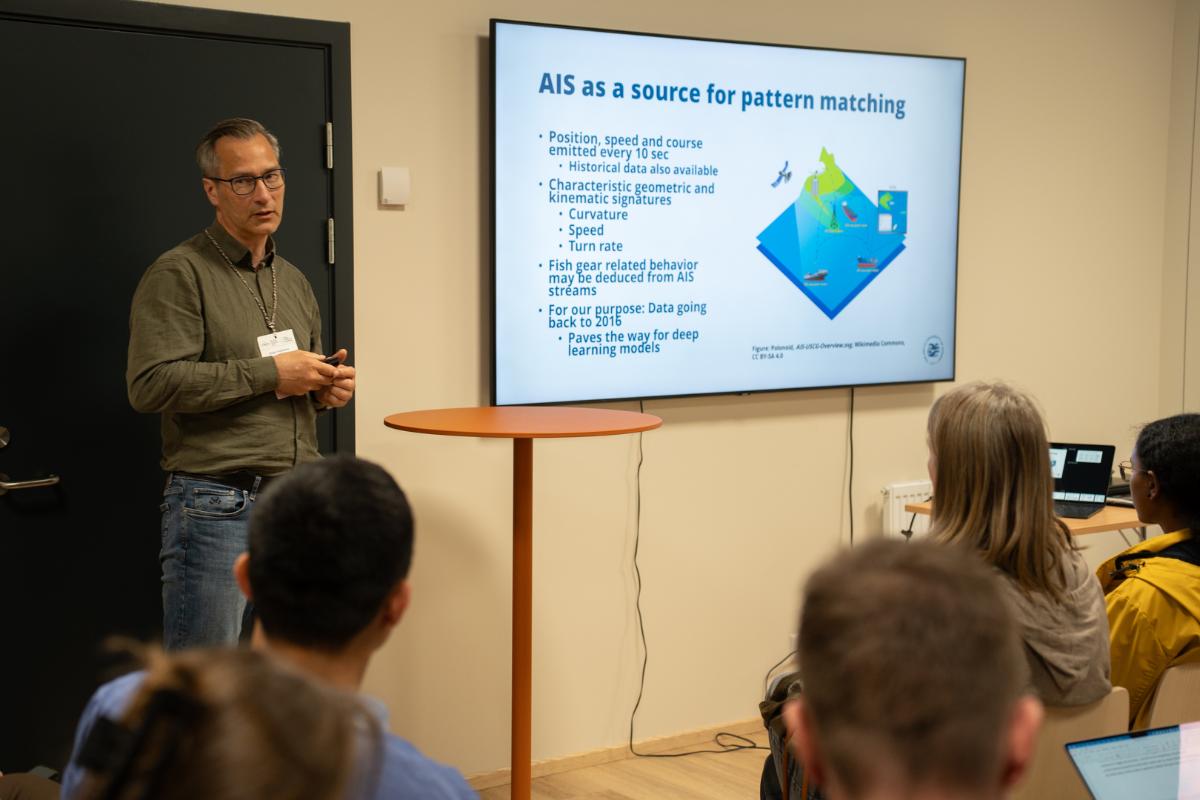
En ny AI-løsning utviklet ved UiT kan gjøre det enklere å avdekke feilrapportering og ulovlig fiske. Nå skal Norges Råfisklag teste teknologien i praktisk bruk (News article on kystogfjord.no)